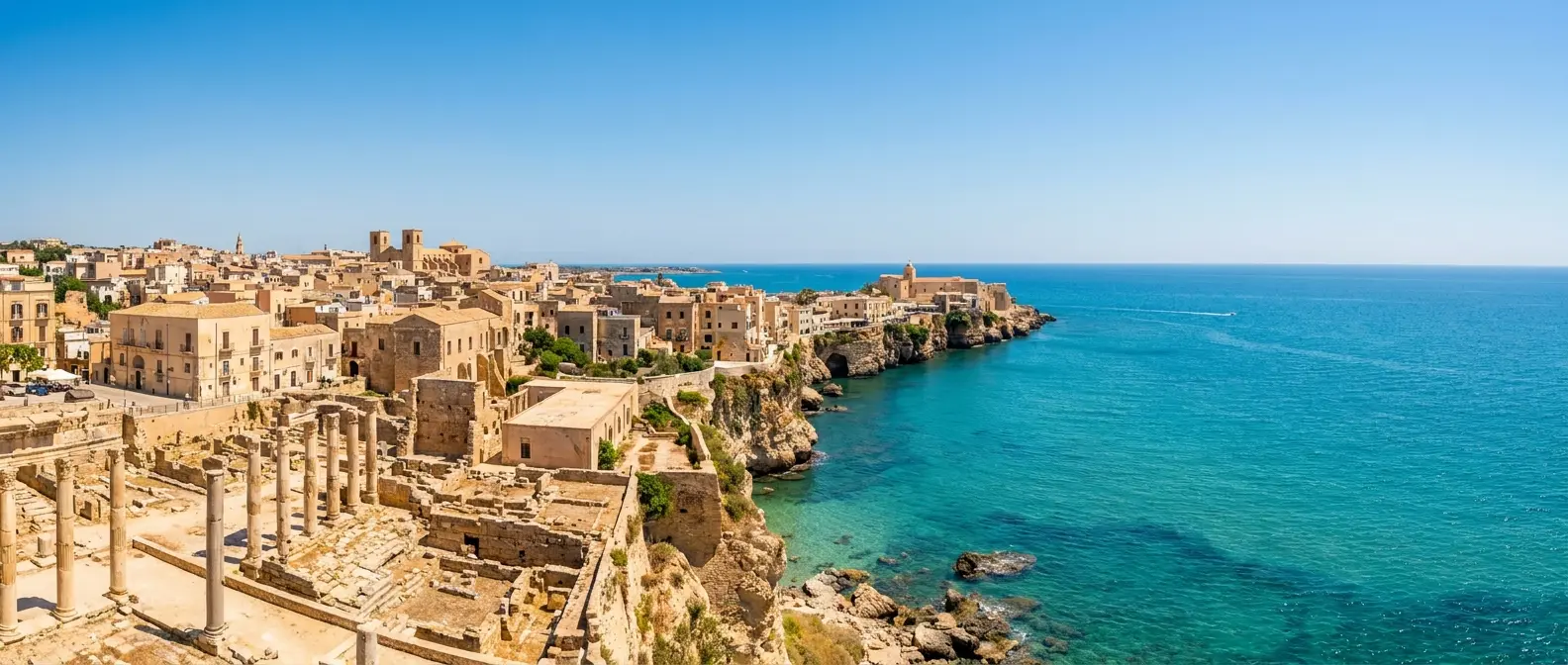
Aegean Cultural Tour Guide: 7-Day Route of History, Sea & Flavor
Planning an Aegean cultural tour? The first question that comes to mind is usually “which places will I see?” But travelers with experience know that the more decisive question is “which season, which day of the week, which time of day?” The breeze along Izmir’s waterfront, the morning light on Ephesus’ marble roads, the crowd in Alacati’s stone alleys, even the tour price—all of these change with the calendar. I’ve spent years analyzing Turkey itineraries, and timing on this route matters just as much as the sites themselves. Start by viewing the Aegean Cultural Tour on Turlago, and then this guide will help you choose the perfect travel window.
Why Timing Makes or Breaks an Aegean Route
The Aegean has a typical Mediterranean climate: hot, dry summers and mild, wet winters. For open-air attractions like Ephesus and the House of the Virgin Mary, comfort levels can vary dramatically. Ephesus is largely unshaded; walking on marble streets for hours at 35°C is completely different from doing the same at 20°C. Cesme Castle and Alacati’s narrow lanes can become exhausting in midday summer sun. Crowds also matter: between June and August, Izmir and Cesme receive heavy numbers of domestic and international visitors. You can spend time in queues and find extra people in every photograph. In spring and autumn, the same sites feel calm and spacious. Prices shift with the seasons too, with hotels and tours hitting their peak in summer. So, matching your Aegean cultural tour to seasonal goals is essential.
Season by Season: Pick the Best Time for Your Aegean Cultural Tour
Each season can offer a rewarding experience; the key is knowing what you want. If you love swimming, summer is tempting. If you love wandering through ancient streets without sweat, spring and autumn are your allies. Let’s break it down.
Spring (April–May)
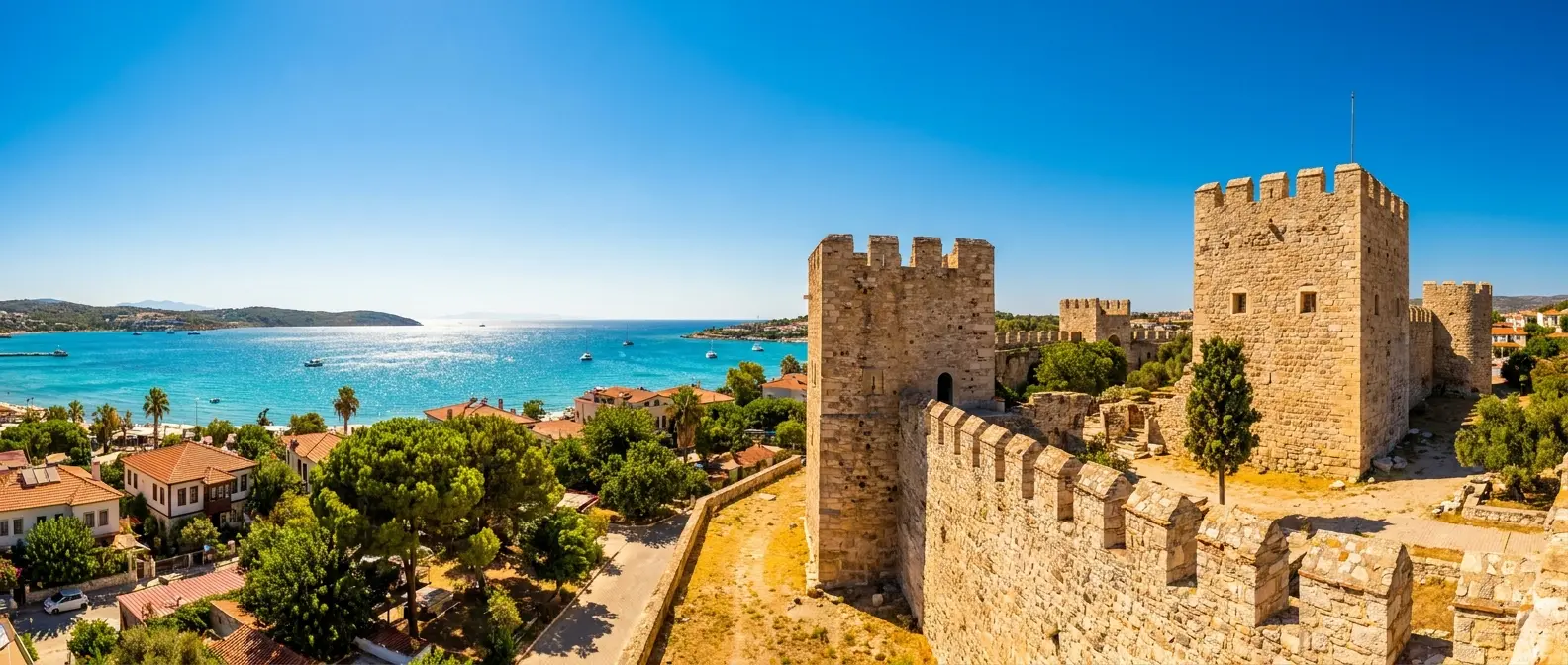
From late March through May, the Aegean shows off fresh shades of green and blue. Daytime temperatures range from 18–24°C, with cool evenings, so pack a light jacket. Nature awakens; the hills around Sirince turn lush. Walking in Ephesus is pleasant without scorching heat or heavy humidity. The sea is still cool, but if your focus is culture, history and food, spring is perhaps the most balanced period. At the end of April and in early May, you can explore Cesme Castle and admire its Genoese-Ottoman architecture, then wander through Alacati’s bougainvillea-lined streets without feeling rushed. Prices are still reasonable before the summer peak.
Summer (June–August)
From June to early September, the coast fully wakes up. If you want Alacati’s famous boutique hotels, cafés and lively evenings, summer delivers. However, thermometers often reach 30–38°C, and Izmir can be humid. Ephesus in the middle of the day is extremely demanding. For that reason, start early. The 3-day Aegean Cultural Tour’s schedule is designed with this logic: a breeze along Izmir’s Kordon brings relief, Cesme Castle’s ramparts catch the wind, and Alacati’s shaded lanes remain walkable in the afternoon. Always carry water, a hat and sunscreen.
Autumn (September–October)
In my opinion, the best window for an Aegean cultural tour is from early September to mid-October. The sea is still warm from summer, and air temperatures hover around 24–28°C. Crowds begin to thin, so you can move more freely around Ephesus and the House of the Virgin Mary. In October, Sirince is busy with the grape harvest; you may see locals collecting grapes, and wine houses in the village offer a taste of fresh must. Still, late October can bring rain, so pack a light rain jacket and dress in layers.
Winter (November–March)
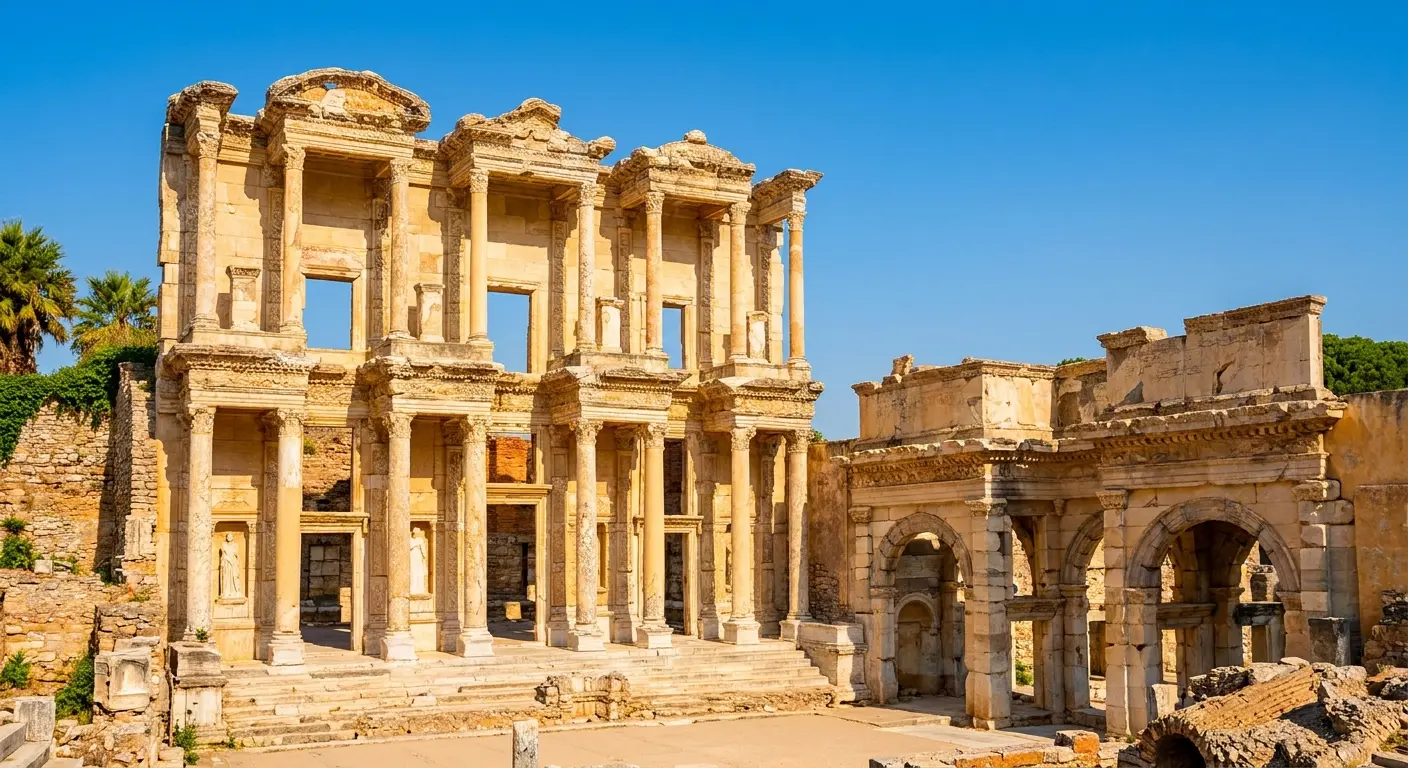
Between November and March, Aegean tourism slows down. In Izmir, temperatures typically stay at 5–15°C; on a sunny day, sightseeing is genuinely enjoyable. At Ephesus, you might almost have the ancient city to yourself. You can stand before the Celsus Library and listen to your guide without jostling crowds. Cesme Castle and Alacati feel quiet and authentic, though some shops and cafés may close early or have seasonal hours. Prices are lower in the low season. The downside is the chance of windy or rainy days, which can make open-air visits tricky. Stay flexible with dates and check forecasts before booking.
Month-by-Month Aegean Cultural Tour Calendar
- March: Mild start, lower prices, almond trees in bloom.
- April: Wildflowers and ideal trekking weather.
- May: Best balance; warm but not scorching.
- June: Summer energy arrives, especially in Cesme and Alacati.
- July–August: Hot and crowded; plan mornings only.
- September: Warm sea, fading crowds, one of the best months.
- October: Harvest in Sirince, crisp mornings.
- November: Quiet, budget-friendly, possible rain.
- December–February: Low season; perfect for a solitary cultural escape.
Time of Day: Morning Ephesus, Midday Izmir, Late-Afternoon Alacati
You can’t change the seasons, but you can choose your hours. The same place at 9 AM can feel radically different from 2 PM. Here’s how to optimize your day:
- 08:00–10:00: Ephesus Ancient City and the House of the Virgin Mary. The light is soft and the temperature is manageable.
- 10:00–12:00: Izmir’s Kordon, Clock Tower, Government House, and Historical Elevator. This is a good walk after breakfast.
- 12:00–14:00: Cesme Castle and its environs. The castle courtyard offers some shade in the midday heat.
- 14:00–17:00: Alacati’s stone streets. The afternoon light makes bougainvillea colors pop; a coffee break is a must.
- After 17:00: Dinner and rest; the tour includes one night’s hotel accommodation.
Weekday vs Weekend Departures
If your calendar allows, choose a departure that falls on a Tuesday, Wednesday or Thursday. Ephesus attracts more visitors on weekends, especially with local day-trippers. Izmir’s seaside promenade is enjoyable any day, but weekend evenings are busier. Cesme and Alacati also get crowded on Saturdays and Sundays with residents from Izmir. A midweek departure lets you experience the same sites with shorter queues and more opportunities for photos. Look for midweek availability on Turlago when you visit the tour page.
The 3-Day Aegean Cultural Tour: The Core of a 7-Day Route
The 3-day itinerary is structured as a compact yet complete exploration. It forms the core of a longer 7-day Aegean route, allowing travelers with limited time to see the essential highlights without the stress of self-planning.
Day 1: Night Journey from Istanbul
The tour departs Istanbul in the evening and picks up passengers from Yenibosna, Mecidiyekoy, Kadikoy, Bostanci and Kartal. The overnight drive means you don’t spend daylight hours on the road; when you wake up, you’re in the Aegean. Comfortable transport includes bottled water and a professional guide. Bring a travel pillow and wear relaxed clothes to make the overnight journey more restful. This one smart time choice saves you an entire day.
Day 2: Izmir, Cesme Castle and Alacati
After a stop in Ciceklikoy for a traditional spread breakfast, the itinerary continues to Izmir. You’ll visit the Historical Elevator, Dario Moreno Street, the Kordon seaside promenade, the iconic Clock Tower and the Government House. These landmarks are close enough to be approached on foot, allowing your guide to bring their stories together. Then, on to Cesme, where Cesme Castle stands as one of western Anatolia’s most important fortifications, blending Genoese and Ottoman architectural styles. Later, Alacati’s narrow stone lanes greet you with colorful doors, bougainvillea and cozy coffee shops. Dinner and overnight stay at the hotel are included.
Day 3: House of the Virgin Mary, Ephesus and Sirince
After breakfast, the tour heads toward Selcuk. The pilgrimage site of the House of the Virgin Mary offers a peaceful, spiritual stop; you can light a candle and make a wish. Then comes Ephesus Ancient City, one of the world’s most magnificent marble cities. The route includes the Agora, the Great Theatre, the Terrace Houses, the Odeon, the Gate of Heracles, the Fountain of Trajan, the Baths and the famous Library of Celsus. After exploring these wonders, the tour reaches Sirince, a hilltop village known for its stone houses and local craftsmanship. Finally, the bus makes the return journey to Istanbul.
Budget and Booking Timing: Is 4,999 TRY the Right Moment?
The current price for Turlago’s Aegean Cultural Tour is 4,999 TRY per person. This includes 1 night’s stay at the designated hotel, open-buffet breakfast and dinner (open buffet or set menu), transportation in luxury vehicles, a professional guide, bottled water on board, and mandatory travel insurance under Law No. 1618. With a capacity of 46 guests, popular dates fill quickly. The best-value windows are usually the beginning of the season (April) and the end of the season (October-November). Booking early secures a spot and helps you lock in a good price, especially if your preferred date falls on a weekend.
Extra Timing Tips for Your Aegean Trip
- Visit Ephesus during the first entry of the day to combine gentle morning light with cool air.
- Set aside at least an hour for Cesme Castle; its courtyard details deserve unhurried attention.
- Use a midday break in Alacati for a coffee or a local snack; it calms the body and lets you absorb the atmosphere.
- Wear layers in spring and autumn; mornings can be fresh and afternoons warm.
- In summer, always carry a hat, sunglasses and sunscreen; shade is scarce in ancient sites.
- For the overnight bus, choose comfortable clothing and a small neck pillow.
- If possible, avoid Saturday departures in high season; midweek tours offer a smoother experience.
Conclusion: Whatever You Choose, Time It Right
There is no single perfect moment for an Aegean cultural tour; the right time depends on what you love most—sea, history, food or solitude. Spring and autumn usually offer the best balance of comfortable weather and manageable crowds. Summer delivers colors and energy, while winter gives you peace and lower prices. Walk along Izmir’s Kordon, touch the walls of Cesme Castle, wander through Ephesus and breathe in the atmosphere of Sirince. When you’ve chosen your dates, check the Aegean Cultural Tour on Turlago and reserve your spot before the season fills up.