
Black Sea Tour Safranbolu Amasra Abant: When to Go?
Why Timing Determines the Fate of This Tour
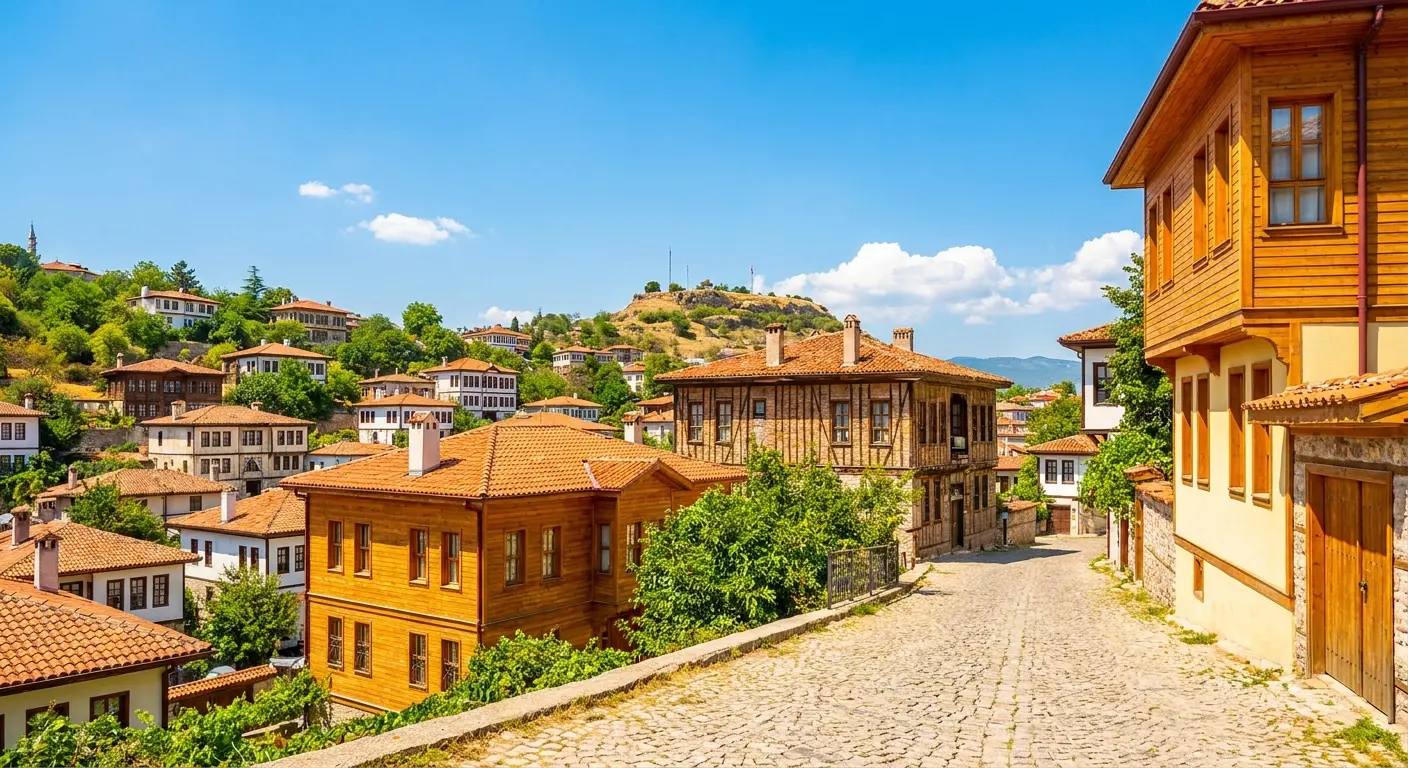
In just two days, you visit three different worlds: the cool highland of Lake Abant, the historic streets of Safranbolu, and the Black Sea bastions of Amasra. This İstanbul-origin tour starts with an overnight journey, and you wake up on the shores of Abant, sometimes foggy, sometimes sunny. A few hours later, you're in Safranbolu's bazaars smelling lokum, and by the next day, you're in Amasra amid the aroma of fish salad. But what is the most enjoyable season for this route? That's exactly the question. Abant sits at an altitude of 1,300 meters, Safranbolu has a continental climate, and Amasra experiences a typical Black Sea climate. This means you can even shift between seasons within the same day. In this guide, we'll decide together which month suits you best by viewing the Black Sea Safranbolu Amasra Abant tour on Turlago.
As Turlago's content editor, I've been analyzing tours all over Turkey for years. This tour is one of those rare routes that combines nature, history, and sea enjoyment. But it wouldn't be honest to say "any season works," because the pleasure of swimming in Amasra and the joy of a snowy walk around Abant simply don't happen in the same season. So let's clarify: What is your priority? Sea, mist, history, or photography? This guide will help you find the right time based on your priorities.
The Climate Mirror: What to Expect in Each Season
Geographically, the region sits at the intersection of three different climate zones. Abant, at the foot of the Bolu Mountains, experiences a high-altitude continental climate—it stays cool even in summer, and snow can accumulate up to meters in winter. Safranbolu, inland from the Black Sea, has hot, dry summers and cold, rainy winters. Amasra, by the coast, can receive rain year-round, with mild winters and humid summers.
This diversity makes each stop on the tour a different experience. But it also makes packing a challenge. On the first day, rain at Abant, afternoon sunshine in Safranbolu, and a humid breeze in Amasra on the second day might greet you. That's why wearing layers and packing a waterproof jacket is wise in any season.
Spring: Abant's Awakening and Safranbolu's Blossoming Streets
From late March to the end of May, spring is ideal for those who want to witness nature's rebirth. The snow around Lake Abant melts, and the slopes turn lush green. In April and May, a lakeside walk accompanied by the scent of pine trees feels like therapy. In Safranbolu, spring brings plum and cherry blossoms in the gardens of Ottoman houses, adding a completely different beauty. The view from Hıdırlık Hill becomes a palette of pastel colors.
However, spring also has its risks: April showers. Especially in Amasra, a sudden downpour near the sea can affect your second day. Also, high-altitude sections of Abant may still have snow traces, making walking paths slippery. Still, if you're looking for uncrowded, affordable, and the freshest nature, spring is a great choice. The tour price of 3,749 TRY might be lower in this season, as the summer rush hasn't begun yet.
Highlights and Tips for Spring
- Lake Abant: Plan a 2-hour walk around the lake. Bring waterproof shoes.
- Safranbolu Bazaars: Pick up handmade goods in the Blacksmiths and Coppersmiths bazaar with fewer people around.
- Yörükköyü: In this old Bektashi village, spring makes everything green; explore the old laundry house and Sipahioğlu Mansion.
- Photography tip: Go to Hıdırlık Hill at sunrise; capture the moment when the mist lifts.
Summer: Amasra's Sea Joy and the Dynamics of High Season
June, July, and August are the busiest months. During this time, Amasra is flooded with domestic and international tourists. In this town Fatih Sultan Mehmet called "Çeşm-i Cihan" (the Eye of the World), you can swim only in summer. From Amasra Castle, you'll see the turquoise shades of the Black Sea; from Boztepe, you can enjoy fish and salad while admiring the bays. An optional boat tour from Amasra is another way to explore the coves.
Abant, meanwhile, is perfect for cooling off in summer. You can escape the sweltering cities and have a picnic in fresh air. In Safranbolu, the afternoon sun can be quite hot, but the shade of historic mansions offers relief. The biggest drawback of this season is the crowds and peak prices. Hotel rooms fill up quickly, so early booking is essential. As a great advantage, you can secure your spot in this popular period by checking the Black Sea Safranbolu Amasra Abant tour on Turlago.
Tips for Summer Months
- Try the fish menu in Amasra for lunch, especially with the famous Amasra salad.
- At Abant, a horse cart ride is more enjoyable in summer—but don't forget sunscreen.
- If you plan to visit Kristal Teras (extra), go early in the morning to avoid heat and queues.
- A refreshing stop for Safranbolu lokum is welcome; bring water with you.
Autumn: Abant's Color Explosion and Nostalgic Safranbolu
September and October are, in my opinion, the most balanced time for this route. The summer crowds have faded, Amasra's air is still warm, and you might even swim until early October. The yellowing leaves around Lake Abant reflect on the water, creating an incredible medley of colors. In Safranbolu, the melancholic autumn mood harmonizes perfectly with the wooden textures of historic homes. During this period, photographers can capture their dream shots in streets nearly empty of people.
Daytime temperatures hover around 20–25°C, while nights drop to 10–15°C. Since the tour program includes an open buffet dinner and breakfast at the hotel, comfort is high. Rain chances increase in October, so bring an umbrella. Economically, prices start falling after summer; you can find tours at more affordable rates. Turlago's group capacity is limited to 25 people, which combined with the calm autumn atmosphere gives a much more intimate experience.
Golden Moments of Autumn
- Take a walk by Lake Abant and enjoy the rustling of leaves.
- Don't miss the sunset from Hıdırlık Hill in Safranbolu (around 5 PM).
- Watch the deep blue of the Black Sea from Boztepe in Amasra.
- Buy a handmade walking stick from Devrek as a souvenir for yourself or loved ones.
Winter: Snow at Abant and a Fairytale Stop in Safranbolu
From late November to mid-March, winter transforms this tour into a completely different experience. When Lake Abant is under snow, the surrounding pine trees wear white bridal gowns. The lake's surface often freezes, and in some years it's possible to walk on it (subject to safety rules). Safranbolu's tiled rooftops offer postcard-perfect scenes after snowfall. In Amasra, winter is mild but rainy; the stormy sea has its own beauty. However, when you get to Amasra on the second day, the wind near the sea can chill you to the bone.
If you're wondering whether the tour runs in winter: Turlago organizes this tour year-round, but in heavy snow, the itinerary may change. At Abant, if snowfall is intense, the lakeside walk time may be shortened; horse-cart rides are suspended. Kristal Teras is likely to be closed in winter. Still, this season is very special for those who love winter scenery and want to avoid crowds. Turlago's 3,749 TRY tour price can become even more appealing in winter, as demand drops and occasional discounts appear.
Warnings for Winter Travelers
- Follow the tour operator's instructions for safety measures like snow chains and winter tires.
- At Abant, a windproof coat is essential because the wind near the lake is biting.
- Wear crampon-equipped shoes while walking on Safranbolu's steep, historic streets to avoid slipping.
- In Amasra, fish restaurants remain open in winter, but prefer indoor seating over outdoor terraces.
Month-by-Month Breakdown: Which One Is Right for You?
Here's a helpful comparison. If sea enjoyment is your top priority, summer (June–August) is it. For photography and nature walks, autumn (September–October) is ideal. If you're looking for budget and peace, spring (April–May) or winter (December–February) are good options. The table below summarizes average temperatures, crowds, and activity availability for each month:
| Month | Abant (night/day °C) | Safranbolu (°C) | Amasra (°C) | Crowds | Sea Swimming | Photo / Scenery |
|---|---|---|---|---|---|---|
| Jan | -5 / 5 | -2 / 7 | 4 / 9 | Low | No | Snow scenery |
| Feb | -4 / 6 | -1 / 8 | 4 / 10 | Low | No | Snow scenery |
| Mar | -2 / 9 | 1 / 12 | 5 / 11 | Moderate | No | Early spring green |
| Apr | 3 / 14 | 6 / 17 | 8 / 14 | Moderate | No | Flowers, greenery |
| May | 7 / 18 | 9 / 20 | 12 / 18 | M-High | Cold | Vibrant colors |
| Jun | 10 / 22 | 13 / 25 | 16 / 23 | High | Yes | Lush green |
| Jul | 12 / 25 | 16 / 29 | 19 / 26 | High | Yes | Sunny |
| Aug | 12 / 26 | 16 / 30 | 19 / 27 | High | Yes | Sunny |
| Sep | 9 / 22 | 13 / 26 | 17 / 23 | Moderate | Yes | Early autumn |
| Oct | 5 / 16 | 9 / 20 | 13 / 18 | Low-Mod. | Limited | Yellow/red leaves |
| Nov | 0 / 10 | 4 / 13 | 9 / 14 | Low | No | Autumn mood |
| Dec | -3 / 6 | 0 / 9 | 6 / 11 | Low | No | First snow |
Note: These temperature values are long-term averages and may change year to year. The risk of tour cancellation is slightly higher in winter compared to other seasons, so having travel insurance included is a good safeguard.
Day-by-Day Itinerary: Which Stop at Which Hour? And Why Timing Matters
The itinerary is actually optimized to take advantage of timing. The overnight journey means you arrive at Abant early on the first day. This is the best time to catch the morning mist over the lake. As the day progresses, the fog lifts, so if you're taking photos, you need to grab the right shot quickly.
After lunch, you move on to Safranbolu. The bazaars are liveliest in the afternoon. When you go up to Hıdırlık Hill, the sunset light creates a golden glow over the Ottoman houses. This is one of the details that tour operators often try to align with those hours. In winter, however, the sun sets much earlier, so the program may not flow the same; listen to your tour leader's instructions.
On the second day, after visiting Yörükköyü, you arrive in Amasra around noon. In summer, the sun is high overhead; perfect for swimming and eating fish. A visit to Amasra Castle and Fatih Mosque provides a sheltered break from the heat. If you visit in winter, the wind might cut your Amasra exploration short, but photos taken from Boztepe are still impressive.
Itinerary Summary
- Day 1: Overnight departure from İstanbul, morning free time at Abant, lunch break, Safranbolu exploration (Hıdırlık Hill, Kaymakamlar Mansion, historical bazaars, lokum tasting), hotel dinner and overnight stay.
- Day 2: Open buffet breakfast at hotel, Yörükköyü visit (Sipahioğlu Mansion and laundry house), arrival at Amasra, fish lunch, Amasra Castle, Fatih Mosque, Boztepe, Çekiciler Bazaar, optional boat tour, Devrek cane workshop stop on return, arrival in İstanbul.
Booking Timing: Which Month Is More Economical?
Turlago's prices may vary by season. The listed 3,749 TRY is the current average, but early booking campaigns or last-minute deals can lower this amount. In general, the highest prices are in July and August, and the lowest are in January and February. April and September are the most balanced months for those who want reasonable prices and decent weather.
Another important factor is accommodation: The program includes 1 night hotel stay, open buffet breakfast, and 1 dinner. In summer, hotel rates soar, so the tour price may increase as well. To protect your budget, I recommend booking in the "shoulder season"—May or September. Since the tour capacity is only 25 people, it's always advantageous to book early to secure your spot on your preferred date.
Rain, Snow, and Wind: Adjusting Plans According to Weather
The Western Black Sea region is one of the rainiest regions in Turkey. Amasra, in particular, can experience showers in any season. At Abant, snow can arrive early, even in November. This requires some flexibility in the tour plan. Tour operators may shorten the duration of stops or suggest alternative indoor venues based on weather conditions.
Even in summer, evening thunderstorms can occur in Amasra. So always carry a light rain jacket. On open-air sites like Kristal Teras, be careful on slippery surfaces during rain. Turlago's mandatory travel insurance (under Tourism Law No. 1618) provides security in such cases, but you might also consider supplementary health and baggage insurance.
Seasonal Packing List: What to Wear and Bring
Since the tour is only two days, packing is simple. However, seasonal differences change the list:
For Summer
- Light, breathable clothes, shorts, t-shirts
- A change of clothes (don't forget a swimsuit if you plan to swim)
- Sunscreen, hat, and sunglasses
- Flip-flops or sandals; plus comfortable sneakers for walking
- Waterproof phone pouch (for the Amasra boat tour)
For Spring and Autumn
- Layering: thin t-shirt + long sleeve + fleece + windbreaker
- Waterproof jacket and umbrella
- Closed, sturdy walking shoes
- Scarf or light bandana (against the wind)
For Winter
- Thermal underwear, sweater, heavy coat
- Waterproof boots, wool socks
- Gloves and beanie
- Snow chains or studs are on the vehicle, but having extra socks is wise
- A thermos with a hot drink
Conclusion: What Is the Ideal Time?
My personal recommendation is to choose September to get the best of this route. You'll find a warm Amasra without the summer crowds, still warm enough to swim; at Abant, the autumn leaves and lake view will turn into a unique color spectacle. The longer days also give you plenty of time to enjoy Safranbolu. October is also a good alternative, but rain chances increase. If swimming is a must, opt for any weekend from mid-June to mid-September. If you want postcard-style photos with snow, catching a snowy January day is lucky—but it's entirely up to chance.
Remember: The 3,749 TRY tour price includes luxury vehicle transport, professional guide, 1 night hotel stay, 2 meals (breakfast and dinner), and mandatory travel insurance. Drinks, lunches, museum entrance fees, and extra activities are not included. Once you decide on the ideal time, check the Black Sea Safranbolu Amasra Abant tour on Turlago and make your reservation right away. The right time brings the right experience; with Turlago's intimate 25-person group, you'll remember this route for a lifetime.