
Cappadocia Youth Tour from Istanbul: 4 Days, 2 Nights, Best Time
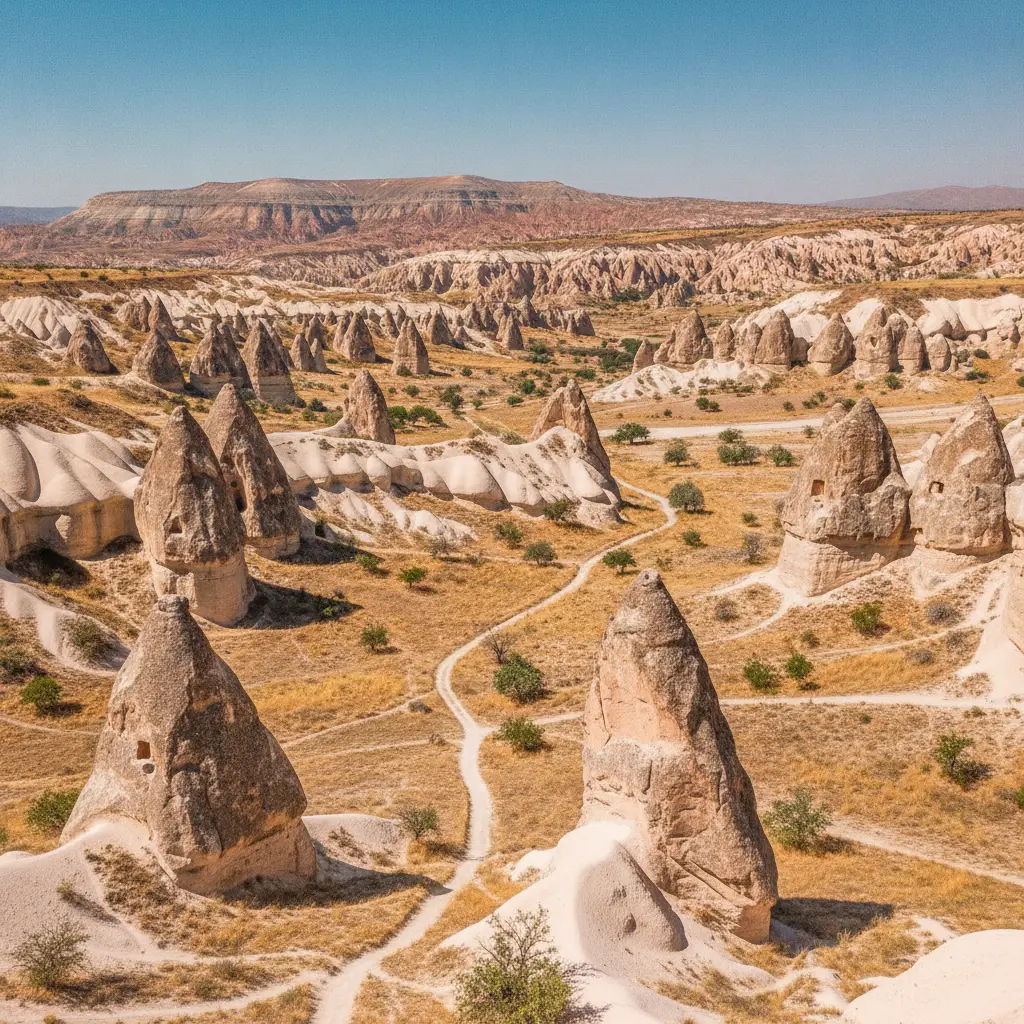
At 21:52 on a Thursday, six friends stood in a car park in Kadıköy counting heads. One was still on the way. One was hunting for a power socket. Two were quietly wondering whether anyone can actually sleep on a bus. They had booked a four-day trip that leaves Istanbul at night and gives them two hotel nights in Cappadocia — and by the time they boarded, they had already learned the most important thing about this itinerary: it is not really about the places. It is about the timing.
This article is written for the next group making that same decision. It does not sell the tour; it explains when the tour works best and what changes month to month, using the actual published programme. If you want to see the full outline, you can view the Cappadocia Youth Tour on Turlago before reading further.
Six Friends, One Night Bus, Four Days: How the Plan Was Made
The first thing the group had to accept was that this journey begins in the evening, not in the morning. Pick-up starts at 21:00 at the Yenibosna Airport AVM car park, then moves to Mecidiyeköy Torun Center at 21:30, Kadıköy Evlendirme Dairesi car park at 22:00, Bostancı Bridge at 22:10 and Kartal Bridge at 22:15. Later stops stretch along the motorway towards Anatolia: Pendik Bridge, Çayırova McDonald’s, Gebze Center, İzmit Halkevi, Sakarya Alpet petrol station, Bolu bus terminal and finally Ankara Söğütözü Ulusoy facilities at 03:00, opposite Armada shopping centre.
That last detail matters more than it looks. This tour can be joined without ever entering central Istanbul. If you live in Sakarya or Bolu, you save a long trip in the wrong direction. If you live in Istanbul, the question becomes which side of the city you want to leave from — and how late you are willing to be out.
The group chose Mecidiyeköy at 21:30. Not because it was closest, but because the metro made it predictable. On a night departure, predictability beats distance.
This Itinerary Is Really a Timing Test
Most Cappadocia programmes list the same place names. Listing them is easy. Experiencing them is not, because three parts of this specific programme are directly affected by the season:
- Lake Tuz: the programme states plainly that in periods when sunrise comes late, the sunrise will not be visible. That is an honest warning, and it changes what you should expect from the first morning.
- The balloon flight: flights depend on wind. You can wake at 04:30 full of hope and still hear that today is cancelled.
- Open-air valleys: Ihlara viewing terrace, Güvercinlik Valley, Paşabağ, Devrent. The same place at noon and in the early morning are two different experiences.
So the question “when should I go to Cappadocia” collapses into a more useful one: which part of this programme do you care about most?
Month by Month: An Honest Verdict
April and May: the balanced window
Sunrise arrives early, temperatures are mild and the valleys are genuinely walkable. Your chances of reaching Lake Tuz before the sky brightens are good. The Ihlara terrace can be windy, but the walking is pleasant. This is also a popular stretch for balloon flights. If a group is choosing between seasons rather than prices, this is usually where they land.
June to August: long days, harsh middays
Long daylight hours make the programme feel less rushed — you can stay outside until dinner. But Paşabağ and Devrent are fully exposed at midday, and that is genuinely tiring. A hat, sunglasses and constant water are not optional. On the plus side, waking before dawn for the balloon is far easier when sunrise is already early.
Late September and October: crowds thin, light softens
Many repeat visitors prefer this window. It is still warm but no longer punishing, and the light in Güvercinlik Valley and Soğanlı is far kinder for photography. This is also where the two-night hotel stay earns its place: the tiredness of day one is absorbed before day two begins.
November to March: beautiful scenery, cautious programme
Winter Cappadocia is a different place entirely — but two fragile parts of this itinerary weaken. First, Lake Tuz: because sunrise is late, the programme’s own note applies, and the chance of arriving after first light increases. Second, the balloon: wind and snow make cancellations most likely in these months. Plan the balloon as a bonus, never as a certainty.
Suggested image: fairy chimneys under snow. Alt text: snow-covered fairy chimneys in Cappadocia — winter scenery is striking, but sunrise and balloon plans become weather-dependent.
Where You Board Matters More Than You Think
With a capacity of 100 passengers, this is a large group. That has a practical consequence: every stop takes longer to organise than it would with twenty people. At Lake Tuz, getting a hundred people off a bus, spread out, photographed and back on board takes time. The earlier you board, the better your seat and the calmer your start.
A realistic piece of advice for night departures: the nearest pick-up point is not always the right one. A 23:59 stop at a petrol station outside Sakarya makes perfect sense if you live there, and very little sense if you are coming from Istanbul. Ask yourself honestly whether standing alone at a roadside stop at one in the morning is acceptable to you. If not, choose a busy city-centre point.
The mathematics of the overnight leg
A bus leaving at 21:30 covers a lot of ground before dawn. That is how one night of accommodation is saved — but the currency is sleep. The two hotel nights in this programme are therefore its smartest feature: one night on the road, then two nights in a real bed, then home.
The Overnight Leg: Sleeping on a Moving Bus
This was the group’s biggest argument. Some insisted they cannot sleep on a bus; others claimed they can sleep anywhere. They settled on three rules, and the rules worked:
- A neck pillow and earplugs are not negotiable. Comfort on a night bus is largely a packing decision.
- Do not eat heavily before boarding. A large dinner at 21:00 will ruin you at Lake Tuz the next morning.
- Wear a layer you can remove. Bus air conditioning behaves unpredictably overnight; a light sweatshirt is the practical answer.
Drinking water on the bus is included in the programme, so you do not need to carry bottles. Personal medication, an eye mask and a power bank remain your responsibility.
Day Two Dawn at Lake Tuz: Planning for a Maybe
Day two is the densest day of the trip. After the overnight drive, the group arrives at Lake Tuz in the early morning and is given free time. A breakfast stop follows — and note carefully that the first day’s morning breakfast is not included; the programme lists it among the excluded items.
The key point about Lake Tuz is expectation management. If sunrise photography is your reason for coming, you need the right season. The programme says it directly: when sunrise is late, it will not be seen. In winter months you may arrive with the sky already bright. Lake Tuz remains a vast white plain either way — but the sunrise shot is a seasonal gamble, not a guarantee.
Suggested image: the white expanse and horizon line of Lake Tuz. Alt text: the vast white plain of Lake Tuz in Cappadocia — sunrise viewing depends on the season, so expectations should be set early.
Ihlara, Narlıgöl and the Underground City: The Dense Half
After breakfast the pace picks up. The Ihlara Valley is first viewed from the Cam Teras viewing platform, with the guide explaining the valley’s formation and history. The stop is short; if you are travelling with a large group, have your camera ready before you step off.
Next comes Narlıgöl crater lake for a short photo break, then the highlight many people came for: Kaymaklı Underground City. The programme notes that in busy periods Derinkuyu or Özkonak may be visited instead — so which underground city you enter depends on the day’s crowds. Kaymaklı has roughly 4,500 years of recorded use, and the passages are low and narrow. Anyone with claustrophobia should know this in advance.
The afternoon continues to Soğanlı Valley, the Kubbeli Church and the Tahtalı Church. These are quieter stops where the guide’s commentary carries more weight than the crowd. Since they involve open-air walking, footwear matters: a proper tread beats a thin-soled trainer.
Soğanlı Valley: When the Crowds Thin Out
Göreme and Ürgüp get the headlines, but this programme deliberately spends part of day two elsewhere. Soğanlı, Kubbeli and Tahtalı show a quieter Cappadocia and balance out the intensity of the morning. The only thing to manage here is the sun. Afternoon walking in open terrain increases water consumption quickly.
Dinner at the hotel is included — open buffet or set menu. Lunch is not. Deciding where and when you will eat during the day is far better than discovering at 14:00 that nothing is planned.
The Balloon Question: Wind, Luck and Money
This is the most asked question about the tour, so here is the exact position. The balloon viewing transfer costs 450 TRY, paid on site. The balloon flight itself costs between 100 and 350 EUR, also paid on site. Neither is included in the tour price.
As for your chances: flights depend on wind. Broadly, spring and autumn are more favourable, summer mornings are busy with high demand, and winter carries the highest cancellation risk. The group’s decision was to keep the balloon out of the main budget and treat it as a bonus. When the flight was cancelled, nobody’s trip was ruined.
What if you are not flying?
The answer is already in the programme: the balloon viewing transfer. Being in the region while balloons rise at dawn is an experience in itself, and the 450 TRY transfer is paid on site. You do not have to fly to enjoy that morning.
Day Three: Ürgüp to Avanos, the Rhythm of the Classic Loop
Day three begins with the hotel’s open buffet breakfast and then works through the region’s best-known stops. The first is a leather workshop, where Turkish leather craft is explained and a fashion show is staged. This is as commercial as it is cultural; deciding in advance that you are only watching makes the visit more relaxed.
The route then moves to Ürgüp. The first stop is the mansion used for the early-2000s television series Asmalı Konak, photographed from outside. A local shop visit follows, with pumpkin seeds roasted in milk and other regional specialities. After a short shopping break, the group continues to the Göreme Open Air Museum.
Timing at Göreme Open Air Museum
Göreme is one of the busiest sites in the region, so staying with the guide’s pace matters. Museum and archaeological site entrance fees are not included in the tour price. The Museum Card is valid only at museums under the Ministry of Culture and Tourism — not at municipal or privately operated sites. Assuming the card covers everything is a common and costly mistake.
The rest of the day brings an onyx stone workshop, Güvercinlik Valley, Paşabağ and Devrent Valley, then a pottery workshop and Avanos. Avanos sits on the Kızılırmak river and is known for its pottery tradition — this is not a souvenir stop, it is the region’s craft memory.
Suggested image: rock-cut churches and walking paths around Göreme. Alt text: rock-cut structures near Göreme Open Air Museum — entrance fees are not included in the tour price.
Day Four: Hacı Bektaş, Lake Seyfe and the Kaman Japanese Garden
The final day starts with breakfast at the hotel and a drive to the Hacı Bektaş lodge complex. The lodge, the Pir Evi and the Çilehane are visited, followed by free time for those who want to buy a teslim taşı.
Then comes a walk around Lake Seyfe bird sanctuary, and finally a photo and tea stop at the Kaman Japanese Garden, gifted to Turkey by the Japanese Emperor Mikasa. The return journey begins from there, with arrival in Istanbul in the evening.
One warning for the last day: the final evening meal is not included. Neither are any of the lunches. Budget for a meal at a motorway service area on the way home and you will not be caught out.
What 9,999 TL Actually Covers
The listed price is 9,999 TL, and the inclusions are stated precisely. Here is the breakdown worth reading before you book.
Included
- Two nights of hotel accommodation
- Two open buffet breakfasts at the hotel
- Two dinners at the hotel, open buffet or set menu
- Transport in modern vehicles, allocated according to group size
- All excursions listed in the programme, with professional guiding
- Drinking water on board
- Agency guarantee and mandatory travel insurance under Tourism Law 1618
Not included
- Breakfast on day one and dinner on the final day
- All lunches
- Drinks with any meal
- Museum and site entrance fees, including municipal and private operations
- Museum Card, which applies only to Ministry of Culture museums
- Balloon viewing transfer: 450 TRY, paid on site
- Balloon flight: 100 to 350 EUR, paid on site
- Personal expenses and optional extras
Read together, the real cost sits above the headline price. That is not a flaw — it is transparency. Knowing where your money goes is far better than a surprise bill in a hotel lobby, especially for a group travelling on a shared budget.
Who This Suits — and Who Should Look Elsewhere
This is a programme built for people who want to see a lot in four days.
It suits: travellers in their twenties and thirties moving as a group, people who want the budget defined in advance, photography-minded visitors, and anyone who genuinely enjoys being on the road. The overnight bus is not a drawback for them; it buys back a day.
It does not suit: travellers who want long, unhurried stops, who dislike early breakfasts, who feel uncomfortable in narrow underground passages, or who simply cannot sleep on a bus. It is not a slow-travel itinerary. Families with very young children may also find the pace demanding.
Two Alternatives If You Have Less Time
The group’s first rejected option was a shorter version of the same idea. If you are weighing that up, two options make sense:
- the 3-day Cappadocia tour — same region, tighter schedule, for those who cannot spare a fourth day.
- the Istanbul departure day trip to Cumalıkızık and Gölyazı — no Cappadocia at all, no overnight stay, a single day of historic villages and lakeside scenery.
The difference between them is not only duration. One night on a bus plus two nights in a hotel is the right ratio for genuinely experiencing Cappadocia. A day trip answers an entirely different need.
Pre-Departure Checklist
- Layer your clothing. Cool at Lake Tuz in the morning, warm in Ihlara by afternoon.
- Bring proper walking shoes. An underground city, a valley walk and church visits can fall on the same day.
- Pack a power bank and a neck pillow. The first night happens on the bus.
- Carry some cash. The balloon transfer, the flight and small purchases are paid on site.
- Budget separately for museum entries. Entrance fees and the Museum Card are outside the tour price.
- Manage expectations. Sunrise and balloons depend on season and weather, not on enthusiasm.
A Trip That Ends Under Kartal Bridge — and Does Not Really End
When the group got back to Istanbul on the fourth evening, the first thing they talked about was not the balloon. It was the wind at Lake Tuz, the silence in Soğanlı and half an hour spent in a pottery workshop in Avanos. Four days, two hotel nights, one night on a bus — three days of a different world.
The decisions are yours to make: which month, which pick-up point, whether the balloon belongs in your budget. Once those answers are clear, view the Cappadocia Youth Tour on Turlago and compare the programme against your own calendar. A bus boarded in the right season changes all four days.

