Comfort Benelux Paris Alsace Switzerland Tour 2026: Seasonal Guide
An eight-day dream in the heart of Europe: from the canals of Amsterdam to the fairytale mountains of Switzerland, this route touches seven different countries and is set to welcome travelers again in 2026. View the Comfort Benelux, Paris, Alsace & Switzerland Tour on Turlago. But which season will make your experience truly unforgettable? Here is your comprehensive seasonal guide to making the right choice.
Why This Route Is Special in 2026
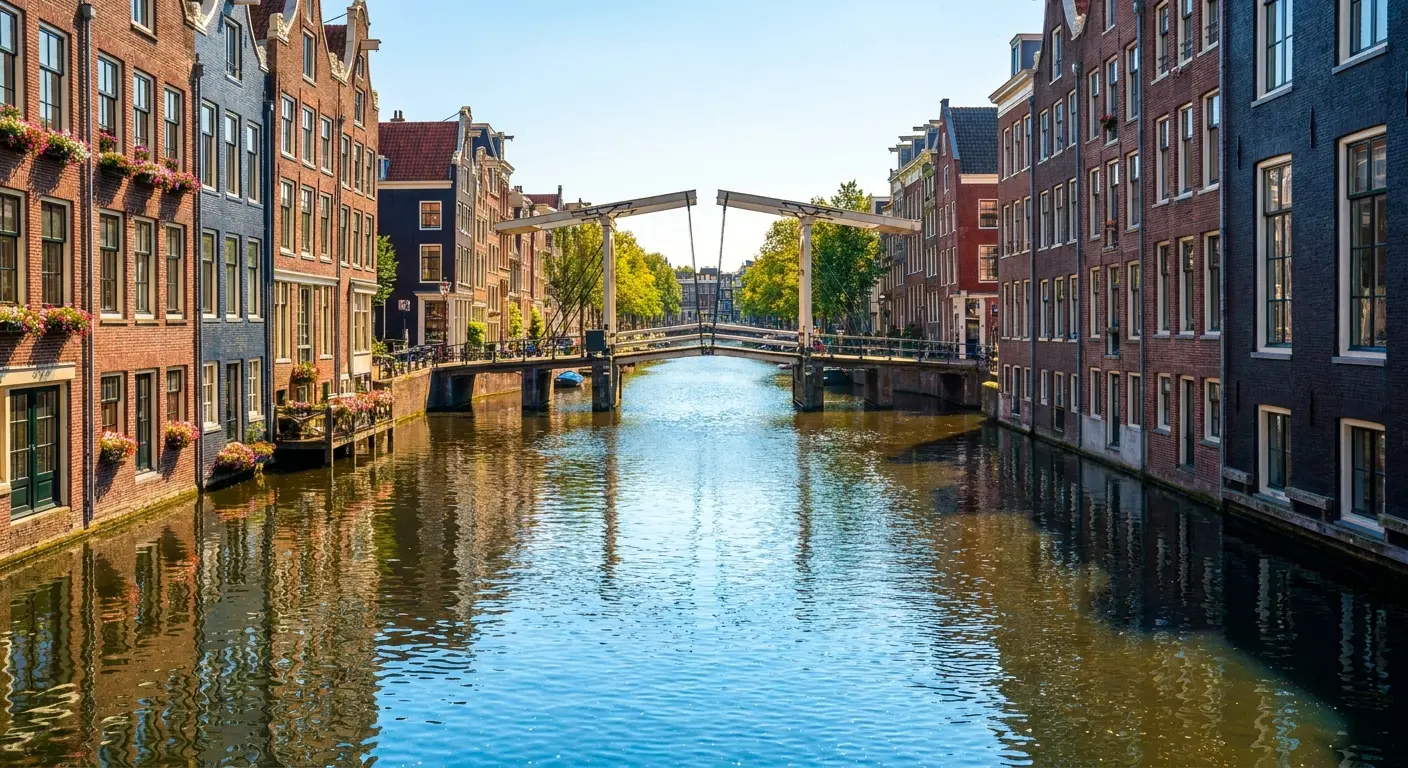
From the window of a plane departing Istanbul, you watch Amsterdam's canal network unfold; a few days later you're standing under the sparkling lights of the Eiffel Tower. This tour connects the most fascinating corners of Western Europe in just eight days. Windmills, the medieval fairytale of Brugge, sophisticated Paris, the wine villages of Alsace, the gateway to Germany's Black Forest, and Switzerland's lake-side gems. Covering such a wide geography in one itinerary is a huge time advantage. Yet choosing the right time of year ensures this tight schedule rejuvenates rather than exhausts you.
Seasonal Breakdown of the Tour
This part of Europe has a different character in each season. Your personal "ideal season" depends entirely on what you're looking for: tulips, Christmas markets, long summer evenings, or peaceful autumn alleys. Here are the details.
Spring: A Burst of Colors (April–May)
When you think of the Netherlands, tulips come to mind, and they are in full bloom from mid-April to early May. On day two, Marken and Volendam are surrounded by flower fields that look like a painting. Temperatures range from 10 to 18°C; mornings are cool, afternoons are sunny, and layering is essential. Paris in spring has a romantic light, with blossoming trees. In Switzerland, you may still see snowy peaks in May, but the lake shores are mild.
Tourist crowds have not yet built up in this season, which means shorter museum queues, easier walking through narrow streets, and a quieter breakfast atmosphere. Hotel rates are also more moderate than in summer.
Summer: Long Days, High Energy (June–August)
With the sun rising at 5:30 AM and setting around 10 PM, summer gives you maximum time for exploration. An evening canal cruise in Amsterdam captures the golden glow. In Paris, the Eiffel Tower's light show begins later, so you can enjoy it after a full day. Temperatures hover around 20–28°C with comfortable humidity. Lake Lucerne in Switzerland is perfect for cooling down.
The downside is crowds. Montmartre and the Louvre area in Paris are packed. Brugge's narrow streets can be congested in the afternoon. This tour is limited to 100 guests, and your guide can help navigate away from the busiest spots, but patience is required. Hotel prices are at their peak; however, since room and breakfast are included in the tour price, early booking still secures a good deal.
Autumn: Grape Harvest and Peaceful Cities (September–October)
September is the best balance for those seeking fewer crowds and still-warm days. Temperatures are 15–22°C; a light jacket suffices. Alsace is buzzing with the grape harvest, and Colmar hosts wine festivals with vineyard walks. Being in this region on days six and seven gives you a front-row seat to autumn's delights.
Meanwhile, gilded leaves along the Moselle River create perfect photo opportunities in Metz and Luxembourg. Swiss mountains are beginning to dust with snow, while lake views remain clear. With lower crowds, museums and restaurants become more enjoyable. September departures for the 2026 season offer a smart combination of comfort and budget.
Winter: Magic and Christmas Cheer (November–February)
The most enchanting season is winter. In December, Strasbourg hosts one of the world's oldest Christmas markets, Christkindelsmärik, filling the city's historic squares with lights and pine scent. Day six of the itinerary places you right in the middle of that magic. Colmar and Freiburg also have winter markets. In Paris, the Champs-Élysées sparkles with festive decorations, a staple of winter tourism.
Temperatures range from 0 to 8°C, with high chances of snow in Switzerland and Alsace. Lake Lucerne's surrounding mountains turn white, creating postcard views. Shorter days mean faster-paced city tours, so thermal clothing is recommended. Outside the Christmas period (early November and February), tourist numbers are very low, offering a more intimate European experience.
Day-by-Day Seasonal Notes
Each day of the tour has its own seasonal spirit. Consider these examples:
- Day 1 – Amsterdam: In summer, canal-side cafés are lively; in winter, enjoy a warm drink on heated terraces with blankets.
- Day 2 – Marken & Volendam: Spring brings tulip and hyacinth scents; autumn reveals romantic silhouettes of fishing boats. In winter, fewer visitors means serene walks.
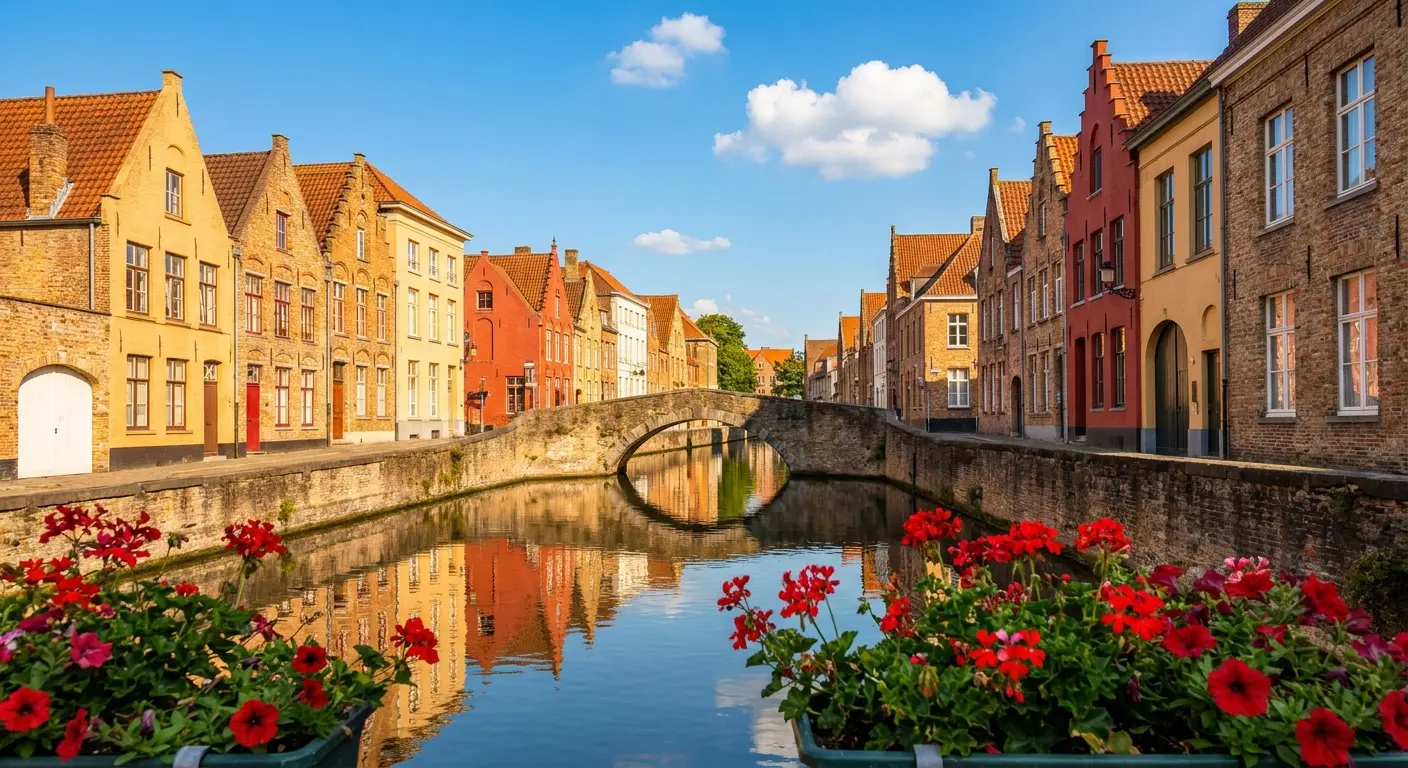
- Day 3 – Brugge & Paris: Brugge's UNESCO-protected center is beautiful year-round, but autumn's golden tones perfectly complement the brick architecture. On reaching Paris, summer's long daylight lets you catch a sunset from Montmartre.
- Day 4 – Paris: Climbing to the artists' hill early morning helps you avoid summer heat and crowds. In winter, the white dome of Sacré-Cœur and a misty city view offer a completely different vibe.
- Day 5 – Metz & Luxembourg: Spring and autumn showcase the Moselle vineyards in a riot of colors. In summer, onfoot exploration is effortless; in winter, short breaks keep you warm.
- Day 6 – Strasbourg & Alsace: Winter is all about the Christmas market, but in spring, the modern architecture of the European Parliament is framed by flowers. Colmar's colorful houses photograph well in any season.
- Day 7 – Freiburg & Lucerne: Summer brings hiking in the Black Forest, winter invites snowball fights by Lake Lucerne. In spring, you'll find sunny but cool café seats by the lake.
Seasonal Highlights by Destination
The route covers multiple regions; here's what each destination offers by season:
- Netherlands (Amsterdam, Marken, Volendam): Spring for tulips, summer for water-side living.
- Belgium (Brussels, Brugge): Spring and autumn are most photogenic; summer brings open-air festivals.
- France (Paris, Metz, Alsace): Paris is year-round, but Alsace shines in autumn (wine harvest) and winter (Christmas markets).
- Germany (Freiburg): Summer for Black Forest walks, winter for ski-area proximity.
- Switzerland (Lucerne, Basel): Summer and winter offer the grandest views; spring and autumn are calmer.
Weekend vs. Midweek Departures and Booking Strategy
The 2026 season is expected to offer departures from April through October, with a few select winter departures around Christmas. For the best of weather and crowds, late April, early June, and September are ideal. If you're flexible, midweek departures often cost slightly less than weekend ones. Prices start at approximately 50,425 TRY (check the latest rate, as currency fluctuations may affect it). This includes flights, airport taxes, 7 nights' room and breakfast, transfers, and professional Turkish-speaking guiding. Visa fees, museum entries, city taxes, and personal expenses are excluded.
Given the 100-person capacity, popular dates—especially Christmas markets and summer holidays—sell out months in advance. Booking through Turlago's official tour page is the safest way to secure your spot. Turlago also provides guidance on travel insurance and visa processes.
Packing Essentials by Season
European weather in this region is changeable; layering is your best strategy. Let's break down packing lists:
Spring
- Light and warm layers: thermal tops, sweaters, a waterproof jacket.
- Umbrella or raincoat; sudden showers are common.
- Comfortable walking shoes; you'll be on your feet most of the day.
- Sunglasses and a light hat; UV is already strong.
Summer
- Breathable fabrics: cotton t-shirts, shorts, shirts.
- A light cardigan or hırka for cool evenings.
- Sunscreen, hat, and sunglasses are mandatory.
- Non-sweaty walking shoes.
Autumn
- Layers again; mornings are cool, afternoons mild.
- Waterproof raincoat; September and October can be wet.
- For wine-tasting events, smart-casual but comfortable outfits.
Winter
- Thermal base layers, heavy sweater, waterproof winter coat.
- Must-haves: beanie, gloves, scarf, thermal socks.
- Insulated, non-slip boots.
- A soft fleece as a mid-layer for extra warmth.
Seasonal Health and Safety Tips
- Pollen alerts in spring: Carry antihistamines; open spaces may have high pollen levels.
- Overheating in summer: Drink plenty of water, seek shade during noon hours, and follow your guide's suggestions for cooling spots.
- Shorter days in autumn: Visit museums in the morning, enjoy daylight for outdoor activities, and be ready for dimmer conditions in late afternoon.
- Icy paths in winter: Cobblestoned streets in Brugge and Strasbourg can become slippery; non-slip soles are a priority.
Special Events and Festivals for 2026
- Amsterdam Tulip Festival: Mid-April through early May; the city and nearby Keukenhof Gardens become vibrant. It may coincide with day one or two of your tour.
- Strasbourg Christmas Market: End of November to December 24; 2026's edition will be as magical as ever.
- Colmar Wine Festival: Early September; celebrates grape harvest with vineyard tours in Alsace.
- Paris Summer Festival: Late June to September; open-air concerts and events enliven the city.
- Lake Lucerne Swimming Marathon: Held in August; watching the race is fun even if you're not diving in.
Frequently Asked Questions
Can this tour be done in winter?
Yes, as long as you dress appropriately. The Christmas markets in Strasbourg and Colmar are the tour's biggest allure in winter. Days are short, so the schedule is tighter, but your guide will manage the pace.
What is Switzerland like in spring?
In April, snow can still be present at high altitudes; May is milder. Lucerne and Basel will see 12–18°C, so a light rain jacket is useful.
Will summer crowds ruin the experience?
Expect crowds at major attractions, but the tour operator's smart scheduling and professional guide help you avoid peak hours. Moreover, long daylight hours let you start early and beat the queues.
Why choose autumn?
Autumn promises lower prices, still-mild weather, wine harvest celebrations in Alsace, and golden light that photographers adore.
Final Thoughts
Exploring Europe's most beautiful corners in one tour is a once-in-a-lifetime memory, especially when you pick the right season. Your preference—tulips, Christmas markets, long summer evenings, or peaceful autumn streets—will determine the best departure. Whatever you choose, this route never disappoints. Check the Comfort Benelux, Paris, Alsace & Switzerland Tour on Turlago and secure your seat early. Remember, the right timing is half the journey.