Japan & Korea Comfort Tour with Emirates: 9 Nights 10 Days
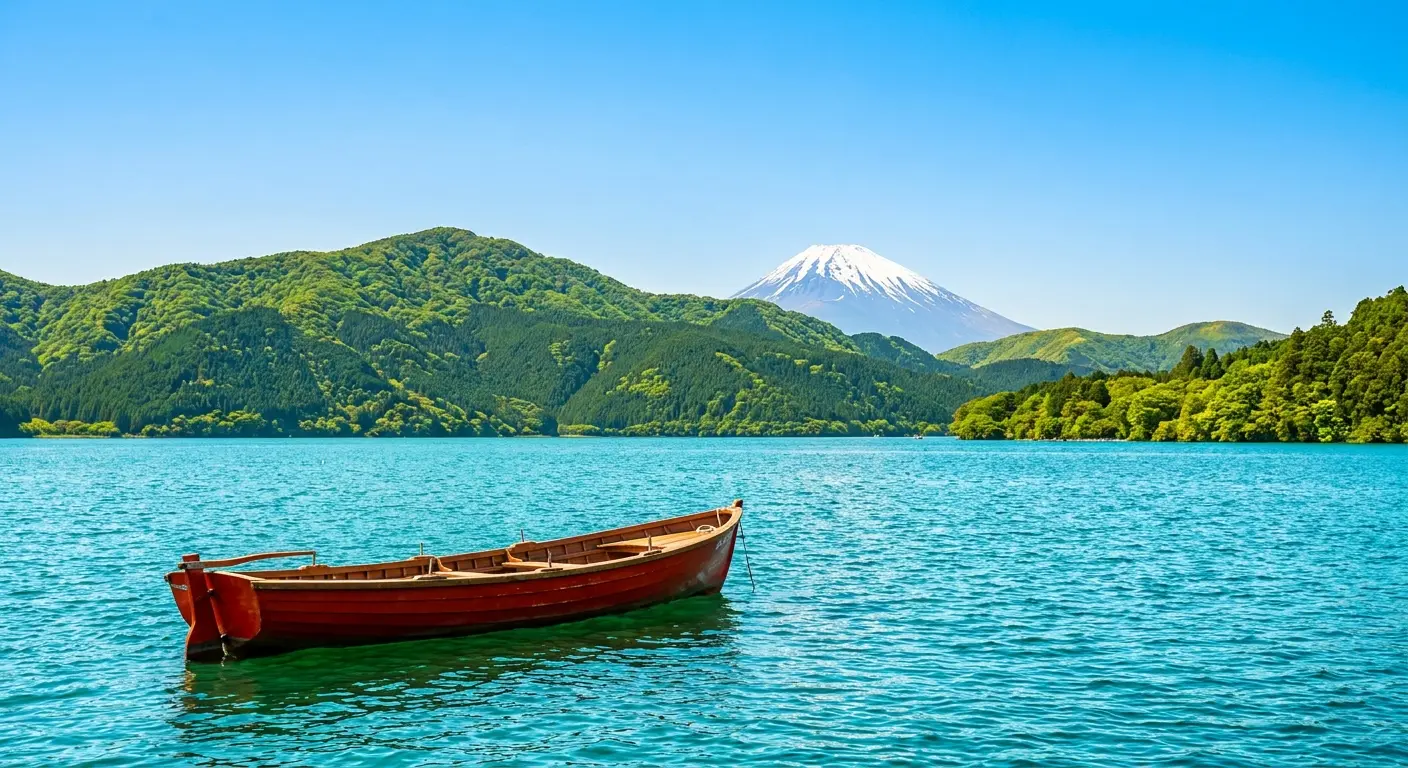
Visiting Japan and South Korea in a single trip is a dream for many travellers. In 2026, it becomes possible with one well-crafted itinerary: view Comfort Japan & Korea Tour on Turlago. Operated with Emirates Airlines from Istanbul, the tour includes an internal flight between Osaka and Seoul, a Mt. Fuji lake cruise, Kyoto's bamboo grove and a traditional tea ceremony. The real question is not whether to go, but which 2026 departure fits your travel style. This guide breaks down both the day-by-day itinerary and the seasonal pros and cons.
Why Plan This Japan & Korea Tour in 2026?
Japan and Korea are often visited separately because of distance and travel time. This tour condenses the highlights into 9 nights and 10 days, covering Tokyo, Osaka, Kyoto, Nara and Seoul. You get five city tours, a Shinkansen ride between Tokyo and Osaka, and a local flight from Osaka to Seoul. The 'comfort' in the name comes from practical details: your main luggage is transferred separately before the Shinkansen leg, all ground transfers are by private coach, and a professional Turkish-speaking guide stays with you throughout.
The 2026 schedule includes seven departures: 20 June, 4 July, 18 July, 1 August, 26 September, 14 November and 28 November. All dates fall on a Saturday, which makes planning easier for working travellers. Capacity is limited to 100 participants per departure. The listed price is 199,080 TRY per person, though the final cost can vary according to hotel category, season and availability. You can check the latest rate on the Comfort Japan & Korea Tour page.
Day-by-Day Itinerary
Day 1: Istanbul - Dubai - Tokyo
Meet at Istanbul Airport three hours before departure. After check-in and baggage drop, fly with Emirates flight EK118 to Dubai at 23:20. Arrive in Dubai at 04:50 local time, then connect to the Tokyo flight. You land at Tokyo Haneda (HND) at 22:25 local time. A private bus takes you to the hotel for a well-deserved rest.
Day 2: Tokyo
Because you check in late, this day is mostly free for recovery. Use it to adjust your body clock and explore the hotel neighbourhood. Your guide can suggest a quick convenience store run for local snacks or a quiet park stroll.
Day 3: Tokyo - Shibuya - Tokyo
After breakfast, the Tokyo city tour begins. First stop is Shibuya Scramble Crossing, one of the busiest pedestrian intersections in the world. Watching the crowd surge with each green light is a pure energy hit. The loyal dog statue Hachiko is nearby. From there the route includes Ueno Park and Tokyo Tower, with free time for shopping and people-watching.
Day 4: Tokyo - Sensoji - Akihabara - Ginza
Visit Sensoji Temple, built in 645 and considered Tokyo's oldest place of worship. Then head to Yodobashi Electric Town in Akihabara, a massive electronics hub with countless shops under one roof. The afternoon brings Ginza, Tokyo's upscale shopping and dining district, where you can browse international brands and department stores.
Day 5: Mt. Fuji - Hakone - Oshino Hakkai - Tokyo
Set out towards Japan's tallest and most symbolic mountain. In the Kanagawa region, you board a sightseeing boat on Lake Ashi in Hakone, with Mt. Fuji as the backdrop. After the cruise, take a cable car up to the Mototsumiya Shrine viewpoint for photographs. Continue to Oshino Hakkai, where melted snow filters through volcanic rock to form crystal-clear ponds. Return to Tokyo for the evening.
Day 6: Tokyo - Shinkansen - Osaka
Leave your large suitcases for the transfer company and carry only a small day bag. Board the Shinkansen, which reaches speeds around 320 km/h, and arrive in Osaka in about 2.5 hours. The city tour includes the Umeda Sky Building's 173-metre observation deck and the neon-lit streets of Dotonbori.
Day 7: Kyoto - Arashiyama - Kinkakuji - Kiyomizu-dera - Fushimi Inari
Kyoto, Japan's former capital, is a UNESCO World Heritage site. The day begins with the Arashiyama Bamboo Grove, where a 500-meter path takes you into a serene green tunnel. Then visit Kinkakuji (the Golden Pavilion) with its iconic gold-leaf exterior. Kiyomizu-dera's wooden terrace and the vermilion torii gates of Fushimi Inari shrine are also on the agenda.
Day 8: Osaka Castle - Nara - Tea Ceremony
Start with a photo stop at Osaka Castle, then continue to Nara. Todai-ji Temple, built in 752, holds the Guinness record for the world's largest wooden building. Inside is a massive bronze Buddha statue. In Nara Park, tame deer roam freely and have become a symbol of the city. The day ends with an included traditional tea ceremony.
Day 9: Osaka - Seoul
After checking out, transfer to the airport for a local flight to Seoul. The panoramic city tour begins with Gangnam, the district made famous by PSY's song. Modern landmarks include Cheongdam Fashion Street, Bongeunsa Temple and the Starfield Library. You'll have free time for shopping, food and photos.
Day 10: Seoul - Dubai - Istanbul
The final day includes Seoul's royal and historic sights. Gyeongbokgung Palace was built in 1395 and is known as the North Palace. Insadong Antique Street and Bukchon Hanok Village, home to around 700 traditional houses, give insight into Korean culture. Myeongdong street is a shopper's paradise. After the tour, transfer to Seoul Incheon (ICN) airport for the Emirates flight back via Dubai.
Which 2026 Departure Should You Choose? A Seasonal Guide
The seven departures fall into two broad seasons: summer (June, July, August) and autumn (September, November). Each has distinct characteristics, so think about what kind of atmosphere you prefer.
20 June 2026: Late Rainy Season and Quieter Streets
Late June in Japan is at the tail end of the tsuyu rainy season. Tokyo and Osaka may see sudden showers, but the temperature stays around 25-28°C, making it pleasant for walking. The crowds are lighter because summer holidays have not yet started. If you want a comfortable balance of weather and manageable tourist numbers, this date works well.
4 and 18 July 2026: Festivals, Fireworks and Summer Energy
July is hot and humid in both Japan and Korea, with temperatures often exceeding 30°C. But it is also the season of traditional festivals and firework shows. Locals wear yukata cotton kimonos, and evenings are lively. In Seoul, the humidity is high but indoor shopping centres offer relief. If you do not mind heat and want to see Japanese cities at their most colourful, pick one of the July departures.
1 August 2026: Pre-Obon Buzz
Japan's Obon festival in mid-August brings huge domestic travel. The 1 August departure starts just before that peak, so you avoid the worst of the internal crowds while still enjoying summer weather. Expect intense heat and humidity; stay hydrated. The Mt. Fuji area will feel cooler, which is a welcome break.
26 September 2026: Mild Autumn Start
Autumn begins in late September. The oppressive humidity is gone, and temperatures are mild. Kyoto and Nara's gardens begin showing hints of yellow and orange. Mount Fuji may have a dusting of snow on its summit. This is an excellent choice for travellers who want pleasant weather without extreme heat.
14 and 28 November 2026: Peak Foliage
Mid-November to early December is the jewel of autumn in Japan. The leaves turn brilliant red and gold, especially in Kyoto's temple gardens and Nara Park. Seoul also shows beautiful autumn colours. Temperatures can drop to 10-15°C during the day and lower at night, so pack a warm layer. If you come for photography or a romantic atmosphere, November departures are unbeatable.
In short: choose 20 June or 26 September for mild weather and fewer crowds; choose July or 1 August for festivals and bright green scenery; choose November for the famed autumn foliage. All departures begin on Saturdays, making it easy to align with weekend travel.
What Is Included and What Is Not?
Included
- Emirates Airlines scheduled flights: Istanbul – Dubai – Tokyo and Seoul – Dubai – Istanbul (economy class)
- Airport taxes
- 8 nights accommodation with daily breakfast in the selected hotel category
- Airport-hotel-airport transfers
- All city transfers by private coaches
- City tours in Tokyo, Osaka, Kyoto, Nara and Seoul
- Shinkansen bullet train ticket from Tokyo to Osaka
- Local flight from Osaka to Seoul with 15 kg checked baggage
- Professional Turkish-speaking guide and assistant services
- TURSAB professional liability insurance
- Extra tours and traditional tea ceremony
Not Included
- Travel health insurance
- Lunches and dinners not specified in the programme
- Personal expenses and hotel incidentals
- Turkish exit fee
- Entrance fees to museums and archaeological sites
- Tourist city taxes
- Tipping for drivers and guides
Since entrance fees are excluded, factor them into your budget. Many temples and palaces in Japan and Korea charge a modest fee, and your guide will give exact amounts in local currency.
What Makes This Tour Comfortable?
The word 'comfort' is not just a label. Before the Shinkansen ride, your large suitcases are transferred separately to the Osaka hotel, so you can travel light. Private coaches handle all transfers, eliminating the stress of public transport with luggage. A Turkish-speaking guide is always available, helping with communication, tickets and local recommendations. Daily breakfasts are included, which gives you a solid start for long exploring days. The groups are limited to 100 people, allowing the guide to stay approachable.
Who Should Take This Tour?
This tour is ideal for first-time visitors to East Asia who want to see both Japan and South Korea without missing the essentials. It is also a good fit for travellers who prefer an organised programme over independent planning. The pace is steady but not exhausting; you are never left to figure out transport on your own. Both younger and older travellers can enjoy the mix of walking tours, boat cruises and cultural experiences.
Shopping fans will love Ginza, Akihabara and Myeongdong. History buffs will dive deep into Kyoto's temples and Seoul's royal palaces. Nature lovers have Mt. Fuji, Lake Ashi and Oshino Hakkai. The tea ceremony adds a hands-on cultural moment that also works exceptionally well as a memory.
Frequently Asked Questions
Do I need a visa for Japan and Korea?
This tour is listed under Turlago's visa-free tours category. However, visa exemption depends on your nationality and the validity of your passport. Always confirm current regulations with Turlago consultants before booking.
Are meals included?
Breakfast is served daily at the hotel. Lunch and dinner are not included. Your guide can recommend local restaurants, from street food stalls to sit-down eateries.
Can I travel alone?
You can usually join solo. Hotel rooms are typically double occupancy, so a single supplement may apply. Confirm this when making your reservation.
How much are entrance fees?
Typical admission prices are about 500 to 1,500 JPY in Japan and around 3,000 KRW for palaces in Seoul. The amounts can change, so set aside a little extra cash.
What is the capacity?
Each departure accepts up to 100 participants. A group of that size is manageable with a professional guide, but it is wise to reserve early.
Conclusion: Secure Your Spot for 2026
The Japan & Korea Comfort Tour brings together two unforgettable countries in one smooth journey. From the tram-like precision of Tokyo's traffic to the stillness of a bamboo forest, from Shinkansen speed to a quiet tea ritual, this tour is designed to show you the region's many faces. All 2026 departures are on Saturdays and capacity is limited, so early booking is the smart move.
For details and current pricing, view Comfort Japan & Korea Tour on Turlago. If you are still comparing options, explore other experiences on the platform: an evening dinner and entertainment cruise in Istanbul, the Mediterranean Summer Cyprus Fairy Tale Tour, or the classic and stylish Lobster motor yacht rental. Once your Far East plan is locked, Turlago is ready to make it a reality.