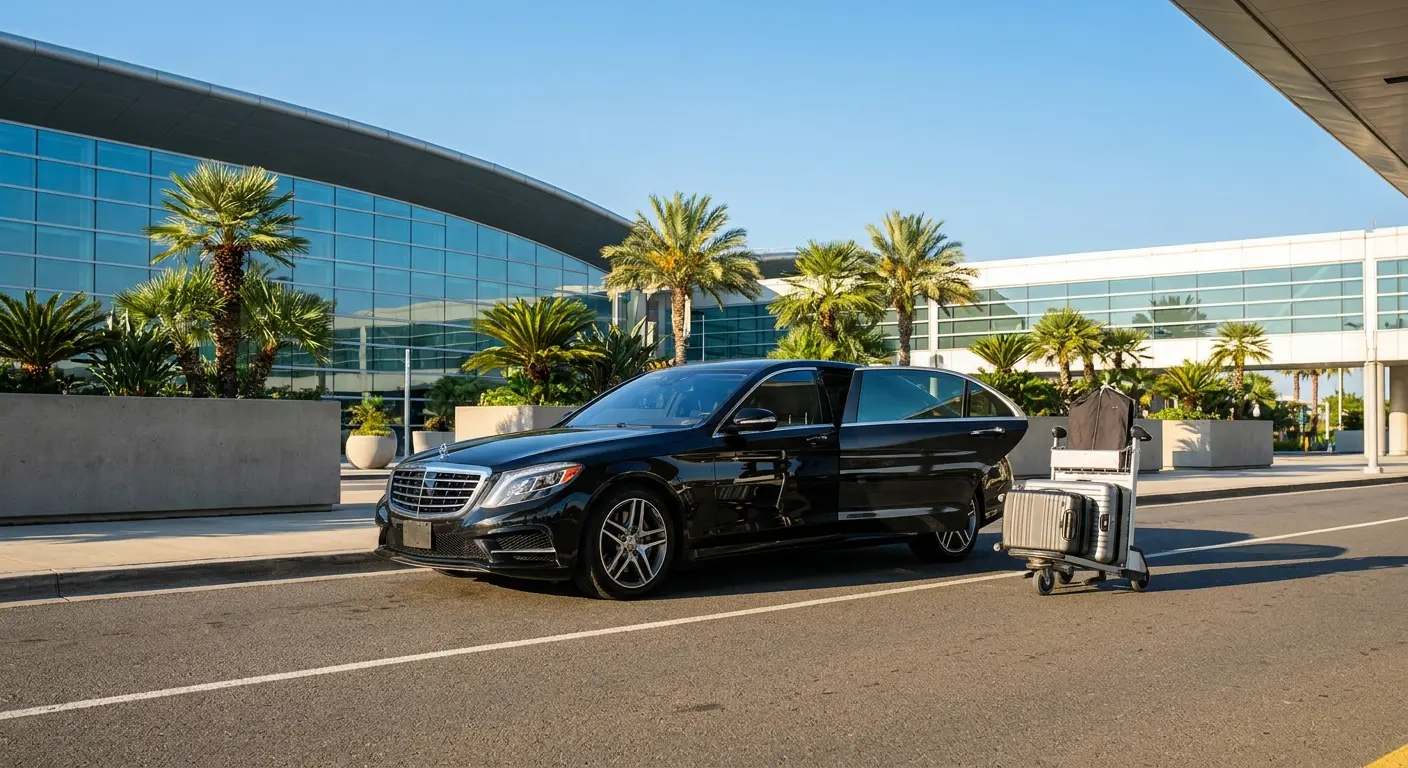
Airport Transfer Planning During Seasonal Transitions: Timing Tips

When most people think about airport transfers during seasonal transitions, their first concern is traffic. But the change of daylight hours, school holidays, tourist influx and even snowfall all directly influence the departure time you should choose. This guide goes beyond the simple 'leave earlier' advice and walks you through a step-by-step plan to make a smarter time selection in every transition period. You should also consider how VIP car rental options can give that flexibility when your plans shift unexpectedly.
Why Seasonal Transitions Demand Special Transfer Planning
Turkey has four major seasonal changes: winter into spring, spring into summer, summer into autumn, and autumn into winter. In these periods, the length of the day, weather patterns and human mobility change rapidly. As a country with both high tourism and busy transit traffic, the areas around Turkish airports take on a different rhythm during these shifts.
In March, for example, when winter shifts to spring, morning and evening hours often see heavy rain. These downpours cause not only flight delays but also additional congestion on the roads. In April and May, daylight increases noticeably, but around religious holidays such as Ramadan Bayramı, airport roads can become unexpectedly crowded. Therefore, when picking a transfer time during transitional months, you should evaluate not just the daily rush-hour but also special dates in the calendar.
Another critical fact is the shifting of daylight hours. Turkey uses a permanent daylight-saving practice, but the concentration of sunlight during the day still affects driver visibility and road comfort. In winter, an early morning transfer can happen while it is still completely dark, with additional fog and frost risks. Knowing sunrise and sunset times for the exact date of your trip is highly useful when selecting your departure hour.
Key Factors That Define Your Transfer Departure Time
Effective airport transfer planning works backwards. You start from your flight time, calculate the latest time to arrive at the airport, and then decide when to leave. When you add the uncertainties of changing seasons, a simple calculation is not enough.
Flight time and check-in deadline: Domestic flights generally close check-in 30 minutes before departure; for international flights it is usually 60 minutes. You also need time for baggage drop and passport control. If your flight departs at 07:00, you should arrive at the airport by 05:30 at the latest. During that hour traffic is often at its calmest in big cities, but in winter darkness and icy roads can reduce your average speed.
Traffic density: In Istanbul, Ankara and Izmir, the morning rush is between 07:00 and 10:00, while the evening rush starts around 17:00 and can last until 20:00. At seasonal boundaries such as September when schools reopen, the entire traffic pattern changes. In summer, especially on Sunday evenings when holidaymakers return, the roads to Istanbul Airport or Antalya Airport can become enormous parking lots. A 40-minute drive might stretch to 90 minutes.
Daylight and visibility: As the days shorten in late autumn and early winter, drivers often leave when darkness has already set in, which affects reaction times and comfort. In addition, sudden storms and showers are common during transition periods. This is why you should use live traffic applications to assess the current state of the route before you step out the door.
Analysing Time Choices by Season
Spring: Waking City Traffic
From late March to the beginning of June, days become noticeably longer. You can use this advantage for evening flights by scheduling your transfer before sunset. However, spring is a season with volatile weather patterns; unexpected showers and hail in the afternoon can disrupt the flow. Because schools are in session, the morning rush includes many service vehicles. For a weekday morning flight, leave at least 30 minutes before the typical work commute starts. During April and May national holidays and Ramadan Bayram, airport roads are packed with families and commercial traffic; mark those dates on your calendar and add at least two extra hours to your travel time.
Summer: Peak Tourism and Busy Hours
From mid-June to early September, Turkish tourism reaches its peak. Airports in Antalya, Istanbul and Muğla see passenger volume rise by 30–40% in summer. Airport terminals, parking areas, security gates and drop-off zones are crowded even in the early morning and late evening. The advantage of summer is the long daylight, giving you flexibility in departure times. On the downside, extreme heat makes sitting in traffic exhausting. Between 10:00 and 16:00, mixed tourist and commercial traffic can be heavy; along coastal cities there is a particular bustle in the late afternoon as people move from beaches to airports. To maintain comfort, choose a departure before 07:00 or after 21:00. Also note that summer thunderstorms and intense heat can delay flights, so flexible pick-up arrangements are essential.
Autumn: Corporate Mobility and School Season
When schools open at the beginning of September, traffic patterns shift again. Business trips and congresses intensify after the summer vacation, adding to morning and evening congestion on airport roads. In the early autumn months, daylight decreases rapidly; after October many airport transfers take place in the dark. Wet leaves, mud and frequent rain create slippery surfaces. November and early December are also busy with year-end corporate events. During this transition period, the early afternoon (between 14:00 and 16:00) is generally the calmest time, so try to schedule your flight departure for that range if possible. The increase in corporate activity also raises the value of flexible VIP transfers when last-minute changes arise.
Winter: Snow, Fog, and Short Days
December, January and February in Turkey are marked by snow in inland regions and persistent fog around the Marmara area. Winter is the most critical season for airport transfer planning. Daylight hours are very limited; around 07:00 it is still not fully bright. Heavy snowfall can trigger chain restrictions and road closures. Airlines are more prone to delays during winter, so do not schedule your pick-up too close to your flight time; instead, plan to wait comfortably at the terminal. When driving from city to city, a journey can take at least 40% longer than in normal conditions. The winter months also contain New Year and the mid-semester school holiday, both of which create intense passenger traffic and crowded roads. For early morning rides in icy weather, professional drivers with winter tyres and safe-driving training make a real difference. Turlago’s VIP car rental options include vehicles and services prepared for such conditions.
Step-by-Step Seasonal Airport Transfer Planning
Here is a practical guide to help you select the right departure time, step by step.
- Clarify your flight details. Write down the flight number, terminal and departure time. Add extra buffer for international flights that require passport control.
- Work backwards. Starting from the scheduled departure, determine the arrival time at the airport (+2 hours for domestic, +3 hours for international). Then add the normal travel time from your location.
- Mark the season and specific date. Is your trip during a seasonal transition? Account for shorter daylight, holiday calendars and school breaks. For winter, add 30% extra time for snow or fog; for summer, think about tourist congestion and possible thunderstorm delays.
- Check live traffic before you go. About one hour before leaving, open a map app and examine the current traffic along your planned route. During transition periods, accidents and breakdowns are more common, so also identify an alternative route.
- Keep a weather snapshot. Take a screenshot of weather warnings and share them with your transfer provider. In winter, informing the driver about icy roads allows them to take precautions.
- Choose a flexible reservation. Select a transfer company that includes free waiting and flight-delay monitoring. VIP transfer services often track your flight automatically and adjust the pick-up time to the actual arrival.
- Keep communication channels open. Contact the driver the day before and again two hours before departure to confirm. Have phone numbers readily available in case of an emergency such as a sudden traffic blockage.
Advantages of VIP Transfer During Seasonal Shifts
During seasonal transitions, relying on public transportation or ordinary taxis can limit your flexibility. VIP transfer services come to the rescue with premium vehicles equipped for all seasons: winter tyres, fully functioning air conditioning and high maintenance standards. Moreover, VIP drivers often use flight-tracking technology, meaning they wait for you without stress when a flight is delayed. During the intense summer tourism months or when snow covers the roads, your transfer remains smooth even if the exact schedule shifts.
In Turkey’s major tourist centres, airport transfer comfort becomes especially important when experienced drivers are ahead of you. In Antalya, a VIP transfer is essential for early-morning flights or late-night arrivals; in Istanbul, it saves you from losing precious time in the infamous traffic. You can easily find sedans, Mercedes Vito vans for families, and other executive vehicles through the VIP car rental options on Turlago.
Meet-and-greet service is another advantage of VIP transfers. Finding the right pick-up point in a crowded terminal during a seasonal change can be confusing; your VIP driver will hold a sign with your name and lead you directly to the vehicle. For elderly travellers, people with limited mobility, or large family groups, this eliminates much of the stress connected to changing seasons.
Common Mistakes and Precautions
The biggest mistake in transfer planning is underestimating the weather. You call a taxi for an evening flight without considering that the flight could be delayed due to a sudden thunderstorm. Soon you find yourself waiting alone in the terminal for hours. Another widespread error is to ignore public holidays and religious festivals, during which driving times to the airport can double. In summer, airport car parks fill up quickly, so using your own car for a park-and-fly may not be wise; better to book a taxi or VIP transfer.
Some travellers even plan their transfers late at night without verifying the exact route when they have an early-morning flight. The city might be calm at midnight, but poor visibility or lack of driver knowledge can turn a simple drive into an adventure. The most reliable strategy is to always keep a buffer budget. If the normal route takes 45 minutes, allocate 90 minutes when you are travelling during a seasonal shift. Also ensure the vehicle has had its winter check-up if it is cold outside. With VIP services, such technical details are already covered, so you can relax.
Seasonal Peculiarities in Istanbul and Antalya
Istanbul: Bridge Between Europe and Asia
If you are transferring between Istanbul's airports (Istanbul Airport, Sabiha Gökçen) or across its bridges, seasonal shifts have a huge impact. In late summer and early autumn, returning holidaymakers create long queues at the bridges and motorways. If you need to travel from the Asian to the European side, always check live traffic updates. A morning transfer on a weekday between 07:00 and 09:00 can take one hour longer than on a weekend. Rain transforms Istanbul traffic from bad to impossible, so plan transfers after 23:00 or between 11:00 and 14:00 whenever possible.
Antalya: Heart of the Tourism Season
Antalya Airport sees heavy tourist traffic especially between April and October. In the transitional months of April-May and September-October, the weather is pleasant but the roads are a mix of tourists and locals. During summer, midday roads are safe but early morning flights suffer longer passenger queues due to tour groups. When making an Antalya airport transfer, avoid departure times that coincide with daily excursion buses (08:00–10:00). You can also enjoy extra comfort such as on-board Wi-Fi and water in VIP cars, which helps immensely in the hot summer.
Conclusion: Timing Is Half the Plan
Planning airport transfers during seasonal transitions is not just about surviving rainy spring days or foggy autumn mornings. It is about selecting the right time based on daylight, traffic volume and the seasonal calendar. As you have seen, the departure hour ultimately determines whether your trip to the airport becomes a comfortable journey or a stressful chase. Keep your booking flexible, maintain contact with your driver, and always respect the normal weather conditions of the season. If you do that, you are halfway to a smooth travel experience.
For those who value convenience and safety, compare the high-quality transfer providers on Turlago and choose the VIP transfer that fits your needs. No matter the season, a professional driver waiting at the right time will let you focus on enjoying your journey rather than worrying about the road. Remember: use the natural advantages of each transition period—longer daylight in spring, fewer tourists in autumn—to make your airport transfer a seamless start to your trip.