Classic Italy Tour 8 Days: Best Time to Go? A Seasonal Guide
Book the same 8-day Italy itinerary in May and in August and you may feel like you visited two different countries. The route may be fixed — Milan, Venice, Florence and Rome — but how much you enjoy it depends heavily on the calendar. This guide breaks down the Classic Italy Tour 8 Days / 7 Nights, which you can view on Turlago, season by season, so you can match your priorities — weather, crowds, budget, optional excursions — to the right month.
Why timing matters more than you think on this route
Look closely at the real program and the reason becomes obvious. Most of the experience happens outdoors: Milan's Duomo and the Vittorio Emanuele Gallery, St. Mark's Square in Venice, Ponte Vecchio and Piazza della Signoria in Florence, the Colosseum and the Spanish Steps in Rome. These are walking squares, open-air landmarks and busy public spaces. Temperature, rainfall and tourist density directly shape how comfortable that feels.
The second factor is optional excursions. By design, several afternoons are set aside for guide-led extras: Verona & Lake Garda, Bologna, Pisa & Portofino, Orvieto, the Outlet & Lakes Region & Vatican, and Naples & Pompeii. Several of these take place at lakes, coastlines or open-air archaeological sites, so the month you travel changes how rewarding they are.
The fixed framework is also worth noting: 8 days, 7 nights, bed-and-breakfast stays in 3- and 4-star hotels, Pegasus scheduled flights on the Istanbul (SAW) – Bergamo (BGY) / Rome (FCO) route, plus all intercity transfers. Transport is handled — you simply pick a date. The single remaining variable is which season that date falls in.
Four seasons, one route: which fits you best?
The north-to-south structure (Milan and Venice in the north, Rome in the south) creates a gradual shift in climate. Northern Italy, including the lake district and the Venetian lagoon, tends to be cooler and more humid, while Rome, closer to a Mediterranean climate, is distinctly hotter in summer. The breakdown below takes that difference into account.
April – June: the most balanced stretch
Spring is the most balanced season across almost every stop on the classic route. Milan and Venice are comfortable for walking, while Florence and Rome's squares are far from oppressive. The short vaporetto ride in Venice and the panoramic city tour around St. Mark's are much more enjoyable without extreme heat or heavy rain. Early April can still be changeable, but May and June are the safest picks, especially for first-timers.
This period also favors the water-based extras. The Lake Garda excursion and the boat transfer to Portofino are far more pleasant in mild weather. Crowds are more manageable than in midsummer, which makes it easier to photograph the Colosseum area and the Spanish Steps in Rome and to keep the group's pace comfortable.
July – August: hot, busy, but full of life
Midsummer is Italy's busiest and hottest stretch. In Rome, midday temperatures can be intense, and walking the Spanish Steps, Piazza Venezia and Castel Sant'Angelo can be tiring. Because the program places free time and optional tours in the afternoons, it's possible to rest in the shade or at the hotel during peak heat — but you need to plan for it.
The big advantage in summer is long daylight. On the free day in Florence, an evening walk along the Arno becomes much more realistic; in Venice, canal-side time in the late light feels generous. On the flip side, because it overlaps with Europe's holiday season, Venice, Florence and Rome hit peak crowds. At the Colosseum and St. Mark's, stay close to your guide and keep the group's rhythm in mind.
One summer highlight is the Naples & Pompeii excursion. Pompeii is an open-air site with almost no shade, so starting early, wearing a hat and carrying water is essential. The Lakes Region and the village of Nemi also offer a welcome cool escape in summer.
September – October: cooler air, higher quality
For many experienced travelers, September and October are the sweet spot on the classic Italy route. Summer crowds thin out while the weather stays mild, making Rome's outdoor stops far more comfortable. September still works well for water and lake extras: coastal spots like Portofino remain enjoyable without the extreme heat. October brings beautiful light around Florence and Tuscany — excellent for photography.
The only caution is a higher chance of rain. The Venetian lagoon and the northern lakes can be wet in autumn, so a light rain jacket is worth packing. Even so, October aligns very well with the overall rhythm of the tour, balancing crowds and weather.
November – March: quiet and budget-friendly, but selective
Winter can appeal to travelers who dislike crowds and care about budget. Cities are quieter, squares are emptier. But it's worth knowing that some optional excursions may be less rewarding in cold or wet conditions. Waterfront routes like Lake Garda and Portofino may not deliver the intended effect on cold, rainy days. Rome's outdoor stops remain walkable even in winter thanks to its relatively mild climate, but layering up is essential.
Winter's biggest advantage is that indoor stops — Milan's Duomo and the Vittorio Emanuele Gallery — are unaffected by the cold, and you may spend time more efficiently in covered spaces. Keep in mind that shorter daylight hours in winter require adjusting the flow of the panoramic city tours.
City-by-city timing notes
When you pick one date, you'll see every city in the same season — so understanding each stop's specific conditions helps you set the right expectations.
- Milan: The Duomo and the Gallery are little affected by season, but spring and autumn are the most comfortable for walking the open squares. Summer midday can be quite hot.
- Venice: Lagoon humidity makes summer muggy and winter cool and occasionally rainy. May–June and September are the most balanced for walking around St. Mark's.
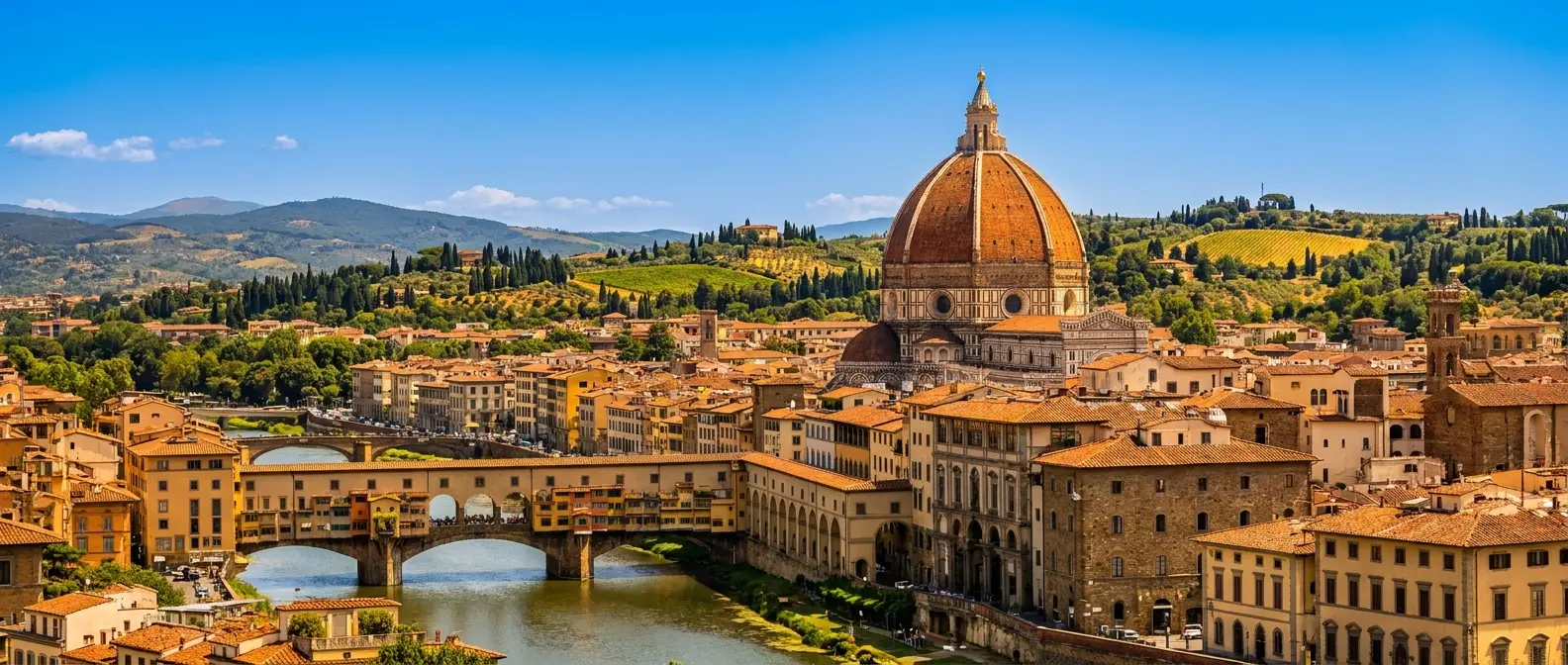
- Florence: Spring and autumn are ideal for walks along the Arno and across Ponte Vecchio. Summer midday heat can make open squares harder to enjoy.
- Rome: Closer to a Mediterranean climate — distinctly hot in summer, relatively mild in winter. Spring and autumn are the most comfortable window for open-air landmarks like the Colosseum and the Spanish Steps.
- Montecatini (accommodation base): This base near Florence is a quiet spot for free time and rest. Whatever the season, making the most of the evenings around the hotel is a smart move.
Crowds and budget: when do you get the best value?
The listed starting price for the tour is 34,464 TRY, but it's important to remember that pricing can vary by the date you choose. As a general rule, the peak European holiday season (July–August) and the New Year period see the highest demand. In contrast, shoulder periods such as early April and late November can be more flexible in both price and crowd levels. For exact prices and availability, we recommend checking the current Classic Italy Tour page on Turlago, since date-based pricing shifts with the season.
A practical approach to crowds: if your priority is moving comfortably around iconic spots like St. Mark's Square and the Colosseum, aim for May–June or September–October. If you prefer long days and lively city atmosphere, choose summer — but plan around the heat. If you pick winter, set expectations around indoor-focused sightseeing.
Matching optional excursions to the season
The most valuable part of the program is the guide-led optional tours. How well they fit the season directly shapes your overall experience.
- Verona & Lake Garda (Day 2): Heavily outdoor and lake-focused. Spring and autumn are the most enjoyable; summer offers lake-side coolness but watch the midday heat.
- Bologna (Day 3): With its porticoes and city streets, one of the most weather-resistant extras. Even rainy days allow plenty of covered sightseeing.
- Pisa & Portofino (Day 4): Includes a boat transfer to Portofino, so weather matters. Spring–autumn are ideal; winter sea conditions can affect the plan.
- Orvieto (Day 5): Set on a high rocky plateau with the Duomo, and largely walk-based. Far more comfortable in mild months.
- Outlet & Lakes Region & Vatican (Day 6): The village of Nemi and Castel Romano Outlet are largely outdoors, while St. Peter's Square can be visited any season. In summer, favor morning hours for outlet free time.
- Rome by Night (Day 6): An evening tour, so season-independent — though summer's late sunsets give a light advantage.
- Naples & Pompeii (Day 7): Pompeii is an open-air site with no shade. Start early in summer; in winter, keep rain chances in mind.
The conclusion is clear: if you want to get the most from most optional tours, spring and autumn are the smartest picks. Summer is for liveliness and long days; winter is for quiet and budget.
Seasonal packing and preparation tips
The tour covers bed-and-breakfast accommodation and intercity transfers; lunches, dinners and museum entries are not included. So pack for both the climate and the daily pace.
- Spring/Autumn: Layerable clothing, a light rain jacket and comfortable walking shoes. Evenings can be cool, so a light cardigan is essential.
- Summer: Light, light-colored clothing, a wide-brimmed hat, sunscreen and a refillable water bottle. Take extra care at shade-free spots like the Colosseum and Pompeii.
- Winter: Waterproof shoes, warm inner layers and an umbrella. Venice's lagoon humidity can make the cold feel sharper.
- Any season: Since museum and archaeological site entries are not included, carry some cash for small expenses.
Frequently asked questions
What is the best month for the Classic Italy Tour?
For overall balance, May–June and September–October are the most recommended windows. The weather is walkable, crowds are manageable, and most optional tours are rewarding.
Is summer too tiring on this tour?
The program isn't overly packed, but it is outdoor-heavy. If you plan for shade and breaks during summer midday, evening sightseeing becomes genuinely enjoyable. Don't skip water and a hat.
Are optional tours canceled in winter?
Depending on weather, the flow of some outdoor-heavy extras may change. For exact programming and conditions, follow the tour page's current details and your guide's guidance.
Are visa and insurance included?
Visa fees and service charges, travel health insurance and the outbound exit fee are not included. Plan for these separately before you travel.
Final thoughts: set the calendar, then enjoy the route
The classic Italy route is an 8-day journey from Milan to Rome — and the same program becomes a different experience in each season. Spring and autumn are the most balanced for weather, crowds and optional-tour value. Summer suits travelers who want long days and a lively atmosphere, while winter appeals to those prioritizing quiet and budget. Whatever season you choose, locking in your date and availability early is the smartest move. For current pricing, dates and full program details, view the Classic Italy Tour 8 Days / 7 Nights on Turlago and choose the date that fits your own calendar.