Ege Akdeniz Dream Tour: Salda Pamukkale Alacati Best Time Guide
Why Timing Determines the Success of This Tour
There are few routes in Turkey that pack so many contrasting landscapes into just three days: the turquoise waters of Salda Lake, the snow-white travertines of Pamukkale, and the wind-sculpted streets of Alaçatı. But the same itinerary that feels magical on a mild May morning can become exhausting on a blazing August afternoon. Choosing when to go is not just about weather; it is about being able to enjoy what this corner of western Turkey does best. In this guide, we use the actual itinerary of the Ege Akdeniz Rüyası: Salda Pamukkale Alacati tour on Turlago to explain month by month what to expect.
This three-day circuit starts with an overnight drive from Istanbul, includes a night in Denizli, and ends with a swim stop around Çeşme and Alaçatı. Whether you are after swimming, photography, archaeology, or simply a break from the city, your timing will make or break the trip.
Meet the Route: 3 Days Across Western Turkey
Before we get into seasons, it helps to know exactly where you will be going. The Ege & Akdeniz Rüyası tour, operated by Turlago, is limited to 25 people and includes luxury vehicle transfers, a professional guide, and one night's accommodation in Denizli. Here is the day-by-day skeleton.
Day 1: Overnight Journey from Istanbul
Pick-ups take place from designated points including Yenibosna, Mecidiyeköy, Kadıköy, Kartal and Çayırova. The overnight coach transfer means you don't waste daylight hours on the road. The plan is to reach the Salda Lake area by the next morning, ready for a full day of exploring.
Day 2: Salda Lake, Laodikya, Hierapolis and Pamukkale
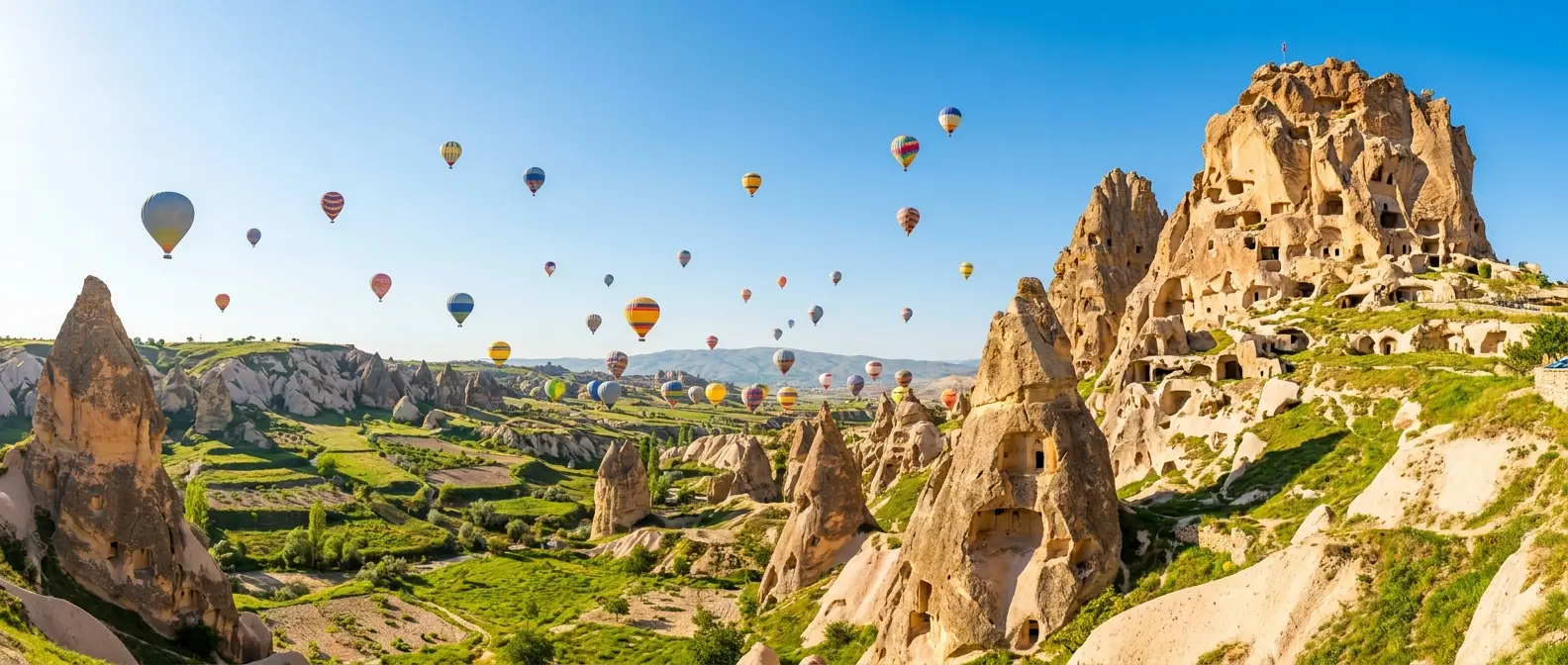
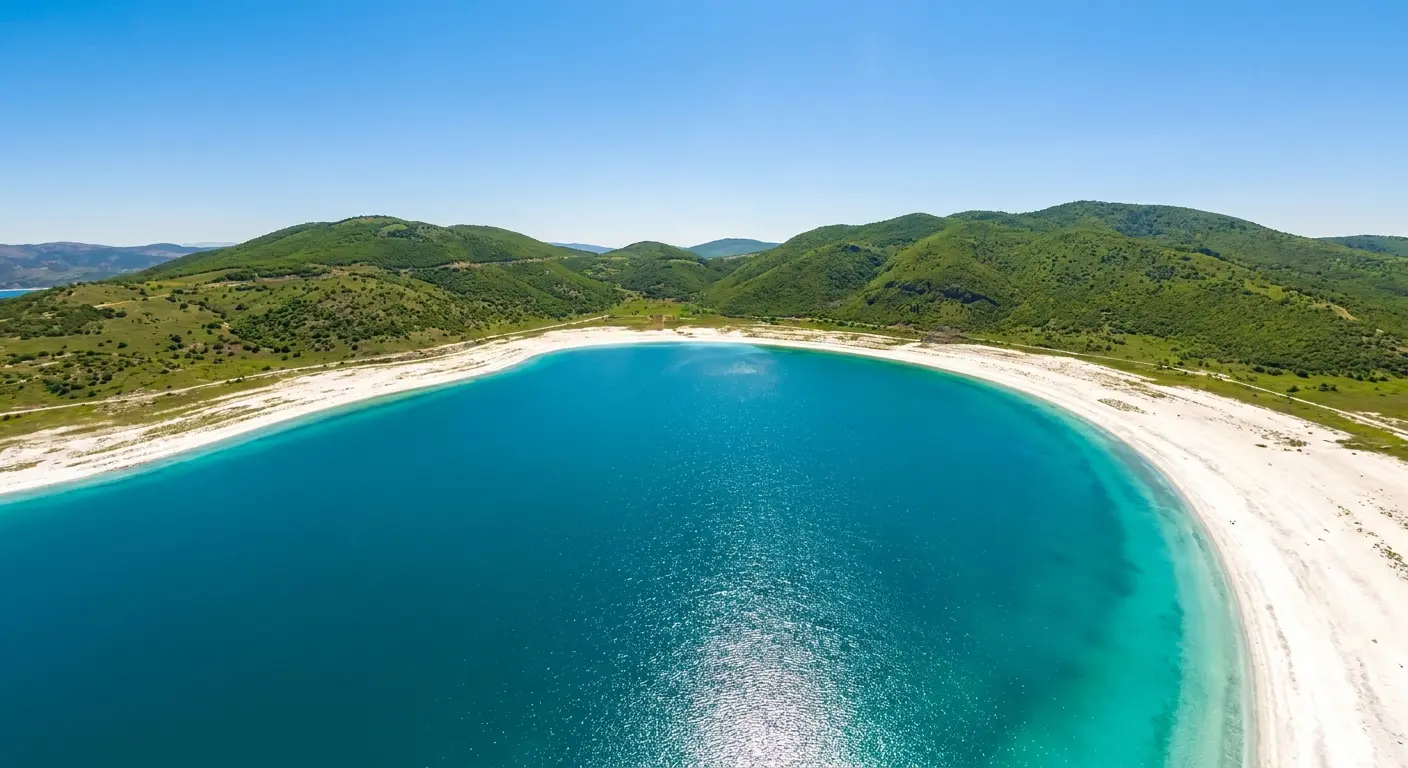
In the morning there is an optional breakfast stop at a rest facility. The first real destination is Salda Lake, often called Turkey's Maldives because of its white sandy shore and vivid blue water. The lake is not only beautiful but also geologically unique: its mineral deposits resemble Martian rock formations. After free time for photos and (if the season allows) a swim, the tour continues to the ancient city of Hierapolis and the terraces of Pamukkale. This UNESCO World Heritage Site is one of the most surreal landscapes in the world. Later, the group visits Laodikya, an ancient city with newly excavated colonnaded streets. The night is spent in Denizli, with dinner included.
Day 3: Çeşme Castle, Kervansaray, Alaçatı and Ilıca
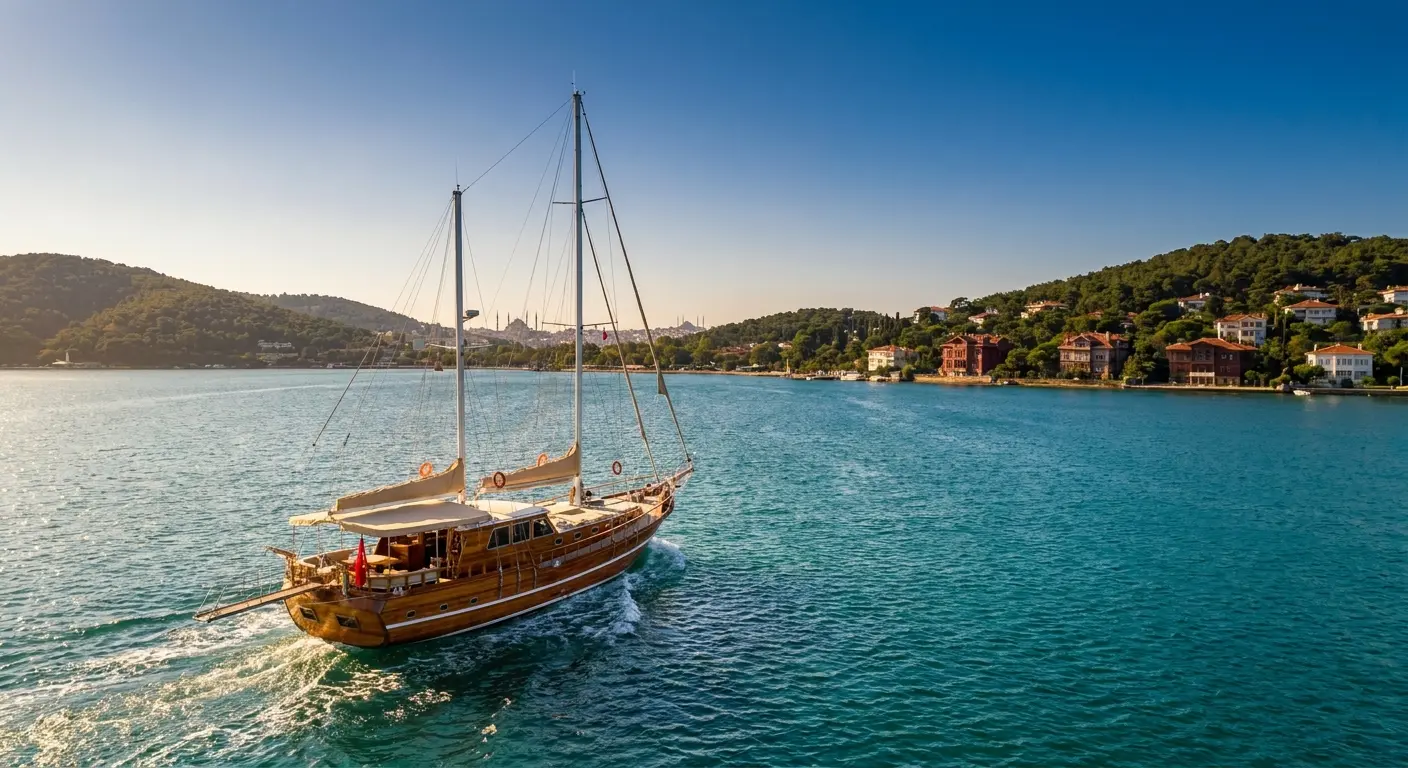
After an open buffet breakfast, the road leads to Çeşme on the Aegean coast. The first stop is Çeşme Castle, where Genoese and Ottoman architectural styles merge, followed by a panoramic view of the Kervansaray built by Suleiman the Magnificent in 1528. Free time in Çeşme town allows for a taste of local favorites. The final part of the tour reaches Alaçatı and Ilıca. In the summer, a swim stop is included; outside the season, the break is spent strolling through Alaçatı's stone streets and boutique shops. Late in the evening, the group starts the return drive to Istanbul.
A Month-by-Month Guide to the Best Time to Go
Now that the route is clear, let's discuss seasons. Each destination reacts differently to the calendar, so the ideal time depends on your priorities.
Spring: April – May
Spring is arguably the sweet spot for the inland part of the route. April brings daytime temperatures between 15 and 25°C, which are perfect for walking on the travertines and exploring Hierapolis. Salda Lake is still cool, but photographers get the best light: the surrounding hills are green, and the contrast with the blue water and white sand is stunning. By mid-May, the water is tolerable for a quick swim, and crowds remain manageable. Alaçatı and Çeşme are not yet packed, so you can enjoy the streets without fighting for table space. Prices in spring are usually lower than in summer, and hotel availability is better.
One tip: bring a windbreaker for the overnight drive. Spring nights can be chilly, especially in the coach.
Summer: June – August
Summer is the only time when you can fully experience the Aegean swim stop. The sea around Çeşme and Ilıca reaches comfortable swimming temperatures after mid-June. Salda Lake also warms up, and its shallow edges are lovely. However, the sun is intense. In July and August, Pamukkale can hit over 35°C, and the white terraces reflect the sunlight painfully. Mornings are the best time to visit, which is why the tour generally aims to arrive early. Expect crowds, especially at Pamukkale and Alaçatı, and be ready to queue at popular entrances. If your priority is swimming and you don't mind the heat, June is the best month within summer; it offers warm days before the peak crowd arrives.
Autumn: September – October
Autumn, particularly September, is a wonderful compromise. The Aegean Sea is still warm, sometimes warmer than in June, because the water has absorbed heat all summer. Alaçatı becomes calmer, and you can relax in the cafés without summer chaos. Inland, Pamukkale and Salda are comfortable for walking. The foliage around Salda adds orange and yellow tones to the landscape. In October, temperatures drop, and some coastal facilities close, but the tour can still work well if you are mainly interested in history and scenery. The only risk is that the swim stop may become a land-based break.
Winter: November – March
Winter is the least obvious choice, but it has its charm. Salda Lake can be dusted with snow, creating a mystical, otherworldly scene. Pamukkale's travertines may be slippery, so you have to walk carefully, but seeing frost on the white terraces is rare and beautiful. Çeşme and Alaçatı are very quiet; many places close, but those that remain open give you a taste of real Aegean town life. Tours in winter are less frequent and depend on demand and road conditions. If you find a date, prices are usually lower. However, some ancient sites may have shorter opening hours.
Salda Lake: Swimming Months and Practical Details
Salda is one of Turkey's deepest lakes, which means it takes longer to warm up in summer. The best swimming months are July and August, with June and September as shoulder months. Even in summer, the water can be chilly in the early morning. The white sand is strikingly bright, so sunglasses and high-SPF sunscreen are essential. Water shoes will protect your feet from both heat and stones. Remember that the lake ecosystem is delicate: stick to designated swimming areas and avoid using soaps or sunscreens that could harm the water.
Pamukkale and Hierapolis: Morning Light vs Afternoon Relief
Pamukkale's carbonate terraces are at their most magical in the early morning, when the light is diffuse and the footpaths are relatively empty. In summer, this is also the only way to avoid the burning midday heat. The ancient city of Hierapolis, with its theatre and necropolis, requires walking on uneven stones, so early morning is better for both photography and comfort. In winter, wait until the sun has risen properly; the frost can make the terraces slippery.
Alaçatı, Çeşme and Ilıca: When Is the Sea Ready?
The Aegean coast is windier and slightly cooler than the Mediterranean. Swimming is possible from mid-June to late September. Ilıca is a special case because natural thermal springs mix with the sea, making the water warmer. The beach at Ilıca is also known for its soft sand and long shallows. If you are more interested in windsurfing, July and August offer the strongest afternoon winds. Alaçatı's famous stone houses are beautiful in every season, but the cafes and boutique hotels are liveliest between May and October.
What Is Included in the 4,999 TL Tour Price?
The tour is positioned as an economical option, with a starting price of 4,999 TL. This includes one night's hotel stay in Denizli, buffet breakfast, dinner, luxury vehicle transfers, professional guiding, bottled water in the car, and compulsory travel insurance. Not included are lunch, drinks, museum and archaeological site entrance fees, personal expenses, and the final dinner on the road. The Museum Card (Müze Kart) is valid at Ministry of Culture sites such as Hierapolis and Laodikya, so having one can save you a considerable amount. Note that some private attractions, like the ancient pool of Pamukkale, do not accept the card.
Eight Practical Tips for a Smooth Tour
- Carry a valid Museum Card. It gives access to Hierapolis, Laodikya and possibly Çeşme Castle, depending on current status.
- Pack water shoes. They protect your feet from hot sand and slippery travertines.
- Use high-factor sunscreen and a hat. Shade is rare at Salda and Pamukkale.
- Wear comfortable walking shoes. You will walk a lot in Hierapolis and Laodikya.
- Bring a neck pillow and a layer for the overnight bus. Air conditioning can be cold.
- Plan for the extra breakfast stop. The rest-stop breakfast is not included, so have a good meal in the included hotel buffet when possible.
- Keep a separate waterproof bag for wet swimwear. You will move between Salda and the Aegean coast.
- Respect the guide's timetable. The return to Istanbul is long, and delays affect everyone.
Frequently Asked Questions
Is the tour available all year?
Turlago usually schedules more departures in spring and summer. Winter departures depend on demand and weather. Check the live calendar on the tour page for confirmed dates.
Can solo travelers join?
Yes, the small group format (25 people) makes it easy to socialize. Meals and guided tours provide natural opportunities to connect with other travelers.
Is the Museum Card worth it?
If you plan to visit Hierapolis and Laodikya, yes. The card is valid in most state-run museums and archaeological sites. For privately managed sites, such as the Pamukkale antique pool, you need a separate ticket.
Does the price change according to season?
The 4,999 TL figure appears as a starting price; during high season, hotel and transport costs can push it higher. Always check the latest price and departure dates on the official Ege & Akdeniz Rüyası tour page.
Final Thoughts: Book at the Right Time, Not Just the Right Price
The Ege & Akdeniz Rüyası tour offers a remarkable introduction to western Turkey's inland and coastal treasures. For most travelers, May, June or September will be the perfect months: the travertines are pleasant, Salda is at its photogenic best, and the Aegean coast is either heating up or still warm. July and August are ideal if swimming is your number one priority, but you need to prepare for heat and crowds. Winter is for those who want solitude and don't mind staying away from the water. Whichever season you choose, this three-day route will give you a cross-section of Turkey's beauty. To see upcoming departure dates and current pricing, explore the Salda, Pamukkale and Alaçatı tour on Turlago.