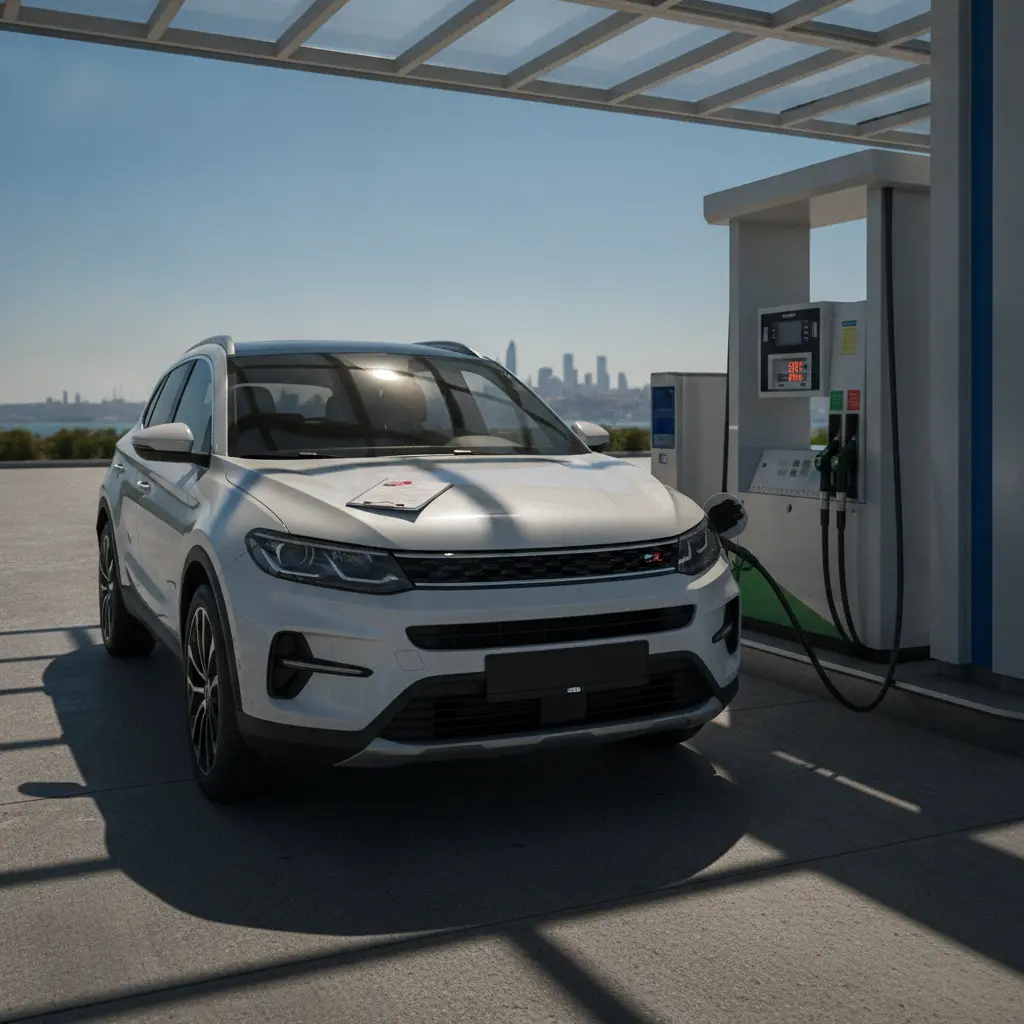
Istanbul Car Rental: Beykoz Villages & Historic Aqueduct Route
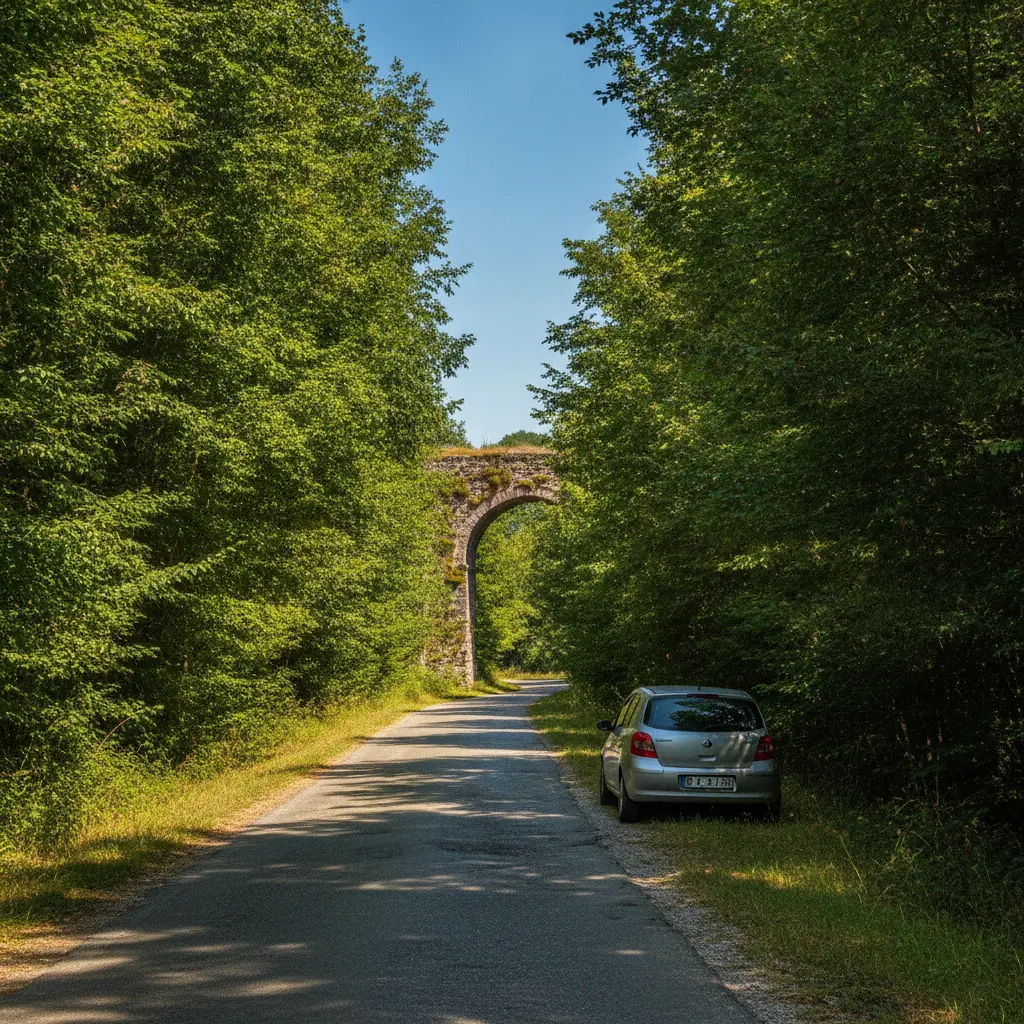
The road narrows about ten minutes after you turn off the Polonezköy highway, and the signage simply stops. What is left is a single lane of asphalt with hazelnut trees pressing in from both sides, a navigation voice telling you to continue, and no other confirmation that you are on the right track. Most people planning Istanbul car rental treat Beykoz as a coastal strip — Anadolu Kavağı, the Yoros ruins, a fish lunch — and stop there. The district’s northern half is a different proposition: fifteen-odd villages stitched together by narrow lanes, with fragments of old water infrastructure scattered between fields, and a total cost that lands surprisingly close to a single day of city driving.
This is not a travel diary. It is a cost comparison written for people who intend to drive the route themselves, and who want to know where the money actually goes. Vehicle class, insurance tiers, fuel, parking, bridge tolls and the number of days on the contract each move the total in a different direction. What follows is how to weigh them against the specific conditions of this road, not against generic rental advice. You can pull live options from the Turlago car rental page and run the same comparisons against your own dates.
The route has three different road characters, not one
Anyone who describes the Beykoz back villages as a single drive has probably not done it in the rain. The route is really three surfaces stacked end to end, and each one changes what you should be renting.
The urban approach. Kavacık, Beykoz centre and the coastal strip: traffic lights, stop-and-go, short distances with poor fuel economy. Here the deciding factor is not engine size but whether the car is automatic and whether it has start-stop. A manual gearbox in a two-hour traffic crawl is a cost you pay in fatigue rather than currency.
The Polonezköy–Cumhuriyetköy axis. Two lanes, well surfaced, constant sweeping curves through forest. The road itself is fine. The risk is other users: weekend mornings bring cyclists and motorcycles in groups, and overtaking on a blind curve is the single most common way people damage a rental car up here.
The Göllü–Bozhane–Riva line. This is where the actual route begins. The surface drops to a single lane, the edges crumble, and some stretches are compacted gravel rather than asphalt. A stiff, low-profile car is uncomfortable here; a long-wheelbase wide-body car is genuinely awkward every time something comes the other way. The honest answer is a compact with tall sidewalls and a reversing camera.
An honest note on distance
A full loop — Kavacık, Polonezköy, Cumhuriyetköy, Göllü, Bozhane, Riva and the coastal villages — usually lands between 110 and 140 kilometres once you add the short detours. That is not a distance that empties a tank. You do not need to refuel twice out of anxiety. But there is no petrol station inside the villages, so the sensible habit is to leave with a full tank rather than to top up mid-route out of nervousness.
Why public transport changes the maths, but not the way you expect
The northern villages are served, technically. Village minibuses run from the centre, but they run back the way they came, which means moving from Göllü to Bozhane to Riva involves either returning to the centre and starting again, or accepting long walking links. For a single-day visit, that structure eats the day rather than the budget.
A rental car changes the equation because the route is not a destination. It is eight or ten stops that need to be sequenced flexibly: a short roadside pause to look at a stone fragment, a plan abandoned because the weather turned, a village breakfast that runs ninety minutes longer than intended. What you are buying is not comfort. It is the ability to change your mind without paying for it in hours.
The cost comparison should be built the same way in both cases: per-person transport cost, plus the hours lost to transfers. In a two-person trip the difference is usually small. In a group of three or four, the rental wins almost every time, and not narrowly. For a solo traveller, a single weekday economy rental can still come out ahead of two taxi legs — but only if the car is collected and returned at a sensible location rather than at an airport.
The aqueducts: unmarked engineering in the northern forest
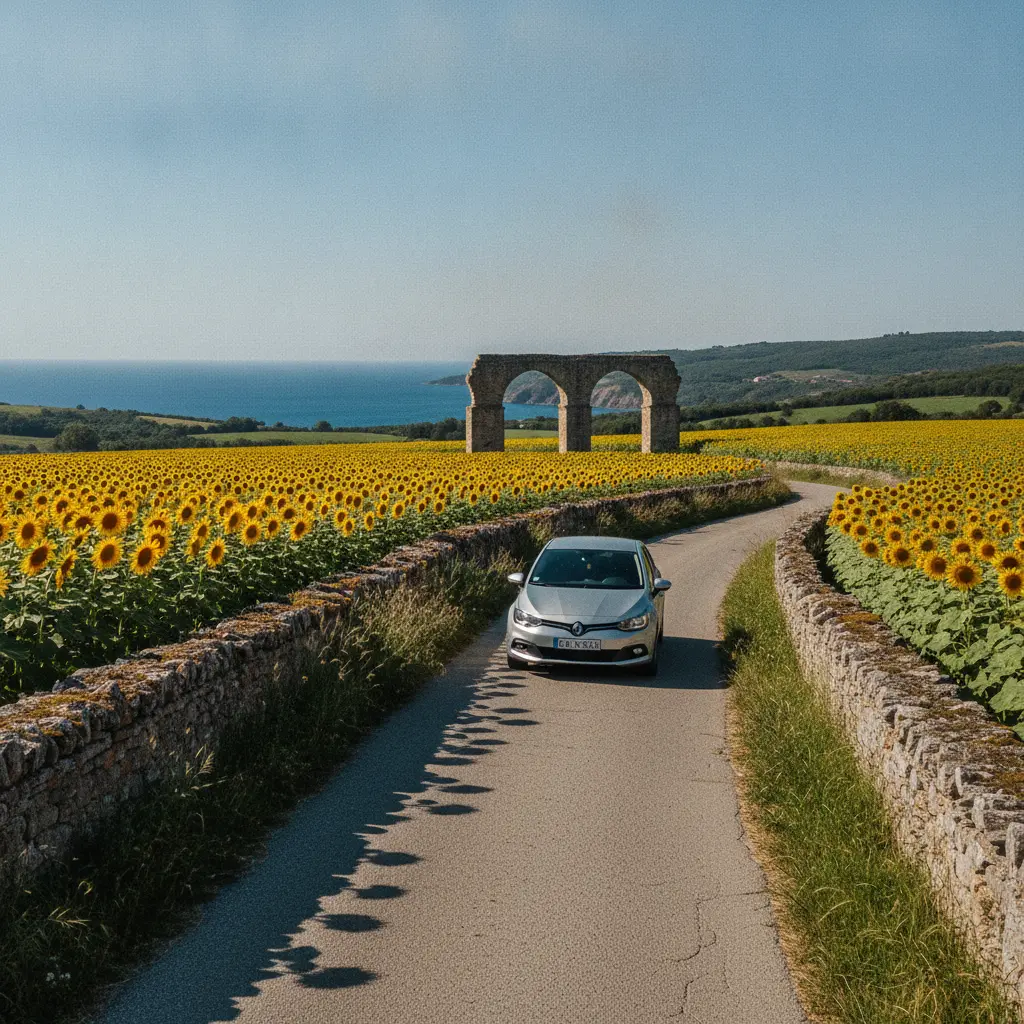
Istanbul’s famous water arches — Mağlova, Uzunkemer, Güzelcekemer — belong to the Kırkçeşme system on the European side, and they are monumental. What you find around the Beykoz villages is quieter and much smaller: fragments of channel, low single-span arches and sections of old water line, most of them unlisted, unmarked on any map application, and frequently just inside a private field boundary.
Knowing this changes the planning. People arrive expecting a landmark and photograph a mossy stone wall through branches, and leave disappointed. Read correctly, though, these fragments are the most interesting part of the drive, because they explain the landscape: why the villages sit where they sit, and why the older tracks follow the contour lines instead of the shortest distance.
Three signs that tell you what you are looking at
- Stone coursing and mortar: Regular cut stone with a thin lime mortar suggests Ottoman-era water engineering. Rubble stone with visible cement almost always means a much more recent repair, or a rebuild.
- The channel line above the arch: The arch is only the support. The actual water conduit runs across the top. If you can trace a groove or ledge continuing horizontally past the span, you are looking at the real function of the structure.
- The streambed below: These were built to cross seasonal water. A dry valley with clear erosion marks still justifies the position of the arch.
How to approach them by car
Almost none of these fragments have a road to them. The efficient method is to park at the village square or on a wide service road and walk the last 500 to 1,500 metres. That keeps you out of cultivated fields, and it removes the need to reverse a car out of a narrow track. Three parking rules do most of the work: do not block the mosque courtyard or the cemetery gate, do not park across a tractor line, and do not lean the car against a field fence.
Climbing on the masonry, removing stones and lighting fires in the streambed are all straightforwardly wrong. Most of these structures have no formal protection, which is exactly why they are still standing — nobody has interfered with them. Keep it that way.
Vehicle class: the line item that decides everything else
The daily rate is the most visible cost, but the class you pick also sets fuel consumption, parking difficulty and damage exposure. On this route those three effects compound each other rather than staying separate.
When economy is genuinely enough
Two people, light luggage, a same-day return: an economy hatchback is not a compromise, it is the correct answer. Narrow lanes and passing points reward a short car, and lower weight pays off on a twisting forest road where you are braking and accelerating constantly. The fuel difference against a larger car is real, not theoretical.
The thing to check in the cheapest tier is equipment rather than size. Some base models lack side airbags, rear parking sensors and cruise control. On a two-day rental that is an inconvenience; on a longer booking the missing sensors turn into a repair conversation you would rather avoid.
When a compact crossover earns its price
Four people, real luggage, and stretches of gravel: a compact crossover makes sense, mainly for ground clearance and ride comfort. Two caveats. All-wheel drive is essentially never required here — the village roads are steep, but they are asphalt or compacted gravel, and in snow the correct answer is winter tyres, not a drivetrain. Second, wide-bodied SUVs are the worst-suited vehicles at passing points on the single-lane sections. Around 4.3 to 4.5 metres is the sweet spot.
Upgrades that do not pay for themselves
- Premium class: No stretch of this route rewards it, and the damage exposure in narrow lanes goes up, not down.
- 4x4: Unnecessary outside genuinely snowy days, and even then winter tyres matter more.
- Additional driver: Pointless for a solo trip. With two drivers it is usually a small add-on that reduces fatigue-related risk on the return leg.
- Child seat rental: For a long booking, buying is often cheaper; for a day, renting is fine.
Insurance: which line actually earns its place
The damage profile on this route differs from city driving. Scratches, stone chips, mirror contact in narrow lanes, and underbody knocks on gravel are the realistic risks. Judge the insurance tiers against that list rather than against the price difference alone.
- Basic cover with an excess: The cheapest daily rate. Take it knowing you carry the excess. Reasonable for short, daytime, mostly-asphalt itineraries.
- Zero-excess / super cover: The daily difference is small in absolute terms but adds up across a multi-day booking. If the itinerary includes gravel and tight village lanes, that difference starts to read as a fee for not thinking about it.
- Tyre and glass cover: The most commonly skipped and most frequently relevant line. A stone chip on a forest road is usually excluded from the standard package.
- Roadside assistance: A flat tyre or a dead battery inside a village can mean a long wait. Ask specifically whether the cover extends to rural areas, because the answer is not always yes.
- Deposit hold: A temporary block on your card. Do not budget that amount as spendable, and check whether it is released on return or after a settlement period.
Comparing headline daily rates across providers is misleading. Build three scenarios instead, on the same dates and the same pickup point: basic, basic plus tyre-and-glass, and zero-excess. Then compare the spread against the riskiest part of your itinerary. In practice, one stone chip costs more than the entire spread.
Fuel and distance: what this road actually consumes
Stop-and-go on the approach, brake-and-accelerate through the forest curves, and low-speed crawling inside the villages produce a consumption figure above the manufacturer’s combined number. Driving the same distance on a motorway and driving it through northern Beykoz are not comparable, so build the budget around driving style rather than kilometres.
Where to fill up
Kavacık and Beykoz centre are the last reliable stations before the route proper. There are stations in and around Polonezköy and Riva, but pricing and queueing vary. The efficient habit is to top up to half a tank before you turn for home: it avoids a detour inside the villages and reduces the chance of getting caught in return traffic on a low gauge.
Petrol, diesel or electric
Diesel can deliver a consumption advantage on this route, but the daily rate for a diesel is usually higher, and on a once-a-year trip the fuel saving takes a long time to repay the difference. On a longer rental or a multi-week booking, the maths flips. Electric requires real planning here: there is no charging inside the villages, and hunting for a charger contradicts the whole point of the route.
Tolls and bridge crossings
For anyone arriving from the European side, the bridge crossing is a small but fixed line item. Rental cars usually carry an automatic toll tag, but the charges may be passed on after the rental under the terms of the contract. Ask at collection how tolls are settled, and you will not be surprised at return.
Parking: free at village squares, expensive in the city
Parking is the line item that most changes the balance of this route. In the northern villages there is no such thing as a parking fee; the challenge is finding a spot that is both safe and legal. Village squares, the area in front of the school and the space around the mosque are usually the best options. Parking on one side of a narrow lane, on the other hand, risks blocking the only passing point.
In the city the picture inverts entirely. Hourly rates around Kavacık, Beykoz centre and the coastal strip accumulate quickly. The practical fix is to leave the car somewhere free for the day and walk the short city legs. On a weekend trip, that single decision can bring the parking line close to zero.
Three rules for narrow-lane parking
- If the lane only fits one car, pull fully off the surface and fold the mirrors. Half-committed parking is the most common cause of damage.
- Do not park on a tractor line. Field traffic starts early.
- Do not enter anywhere that would require reversing out. Park with the exit in mind.
One day or several: what the numbers actually say
The route can be done in a day, but spreading it over two changes the experience completely — and the cost comparison becomes more interesting. A two-day rental does not cost exactly twice a one-day rental, because the collection, paperwork and preparation cost is paid once. Against that, you now need accommodation for the second night.
Long-term rental answers a different question. If the plan is to explore Beykoz village by village for a week, turning down a different valley every morning, weekly or monthly rates usually bring the per-day figure down substantially. Check two things in those contracts: the insurance scope, and the mileage allowance. Some long-term agreements carry a monthly kilometre cap, and this route generates more distance than city use does.
A two-day plan, hour by hour
The schedule below accounts for both light and traffic. If you only have one day, move the first morning block of day two into day one — but keep the Riva and coastal section for the afternoon rather than the evening.
Day one: forest line and water-line fragments
- 08:30 — Collection: Around Kavacık. Inspect the car in daylight: tyre tread, spare wheel, fuel level, and photograph everything.
- 09:15 — Beykoz centre: A short walk past the fountains and the waterfront. Fill the tank here.
- 10:15 — Polonezköy: First stop on the forest road. Early is the right time at weekends.
- 11:45 — Cumhuriyetköy: The most photogenic stretch, running between cultivated fields. Do not drive into the field tracks; stop on the main road.
- 13:00 — Lunch: Village breakfast or home cooking. Noticeably cheaper than the city for the same standard.
- 14:30 — Göllü and around: This is the walking section where you go looking for fragments. Leave the car at the square.
- 16:30 — Bozhane: The single-lane experience. Slow down at passing points.
- 18:00 — Return: As the light drops on the forest road, protect the gap rather than the speed.
Day two: the coastal line
- 09:00 — Riva: Dunes and the river mouth. Keep the car off the sand and on the compacted track.
- 11:00 — Anadolufeneri: The lighthouse and a coastal walk. Parking is limited; morning is the advantage.
- 13:00 — Poyrazköy: Lunch and a short loop.
- 15:00 — Anadolu Kavağı: Move back towards the return direction before the crowds build.
- 17:00 — Return: Coastal traffic thickens around now; plan the fuel accordingly.
Village by village: local notes that matter
Polonezköy
The best-known stop on the forest road, and the one where weekend mornings fill fastest. Park in the open area at the village entrance and walk in; it eliminates the narrow-lane manoeuvring problem entirely.
Cumhuriyetköy
One of the villages that has kept its agricultural identity. Bring some cash for roadside produce. The field tracks look inviting but turn to mud after rain, and a standard passenger car has no business on them.
Göllü and Bozhane
The quietest section of the route. Göllü takes its name from the water body beside it, which widens and shrinks with the season. The link road into Bozhane drops to a single lane in places, so accept in advance that you may have to reverse to a passing point.
Riva
The widest open space on the coastal line. The river mouth and dunes are ideal for walking. Driving the car right up to the dune edge is the most common mistake visitors make here.
Anadolufeneri and Poyrazköy
The narrowest streets on the coast. Use the village square rather than the area around the lighthouse for parking.
Elmalı, Alibahadır and Mahmutşevketpaşa
Less-visited inland villages where road quality varies and signage is sparse. Download the offline map before you leave; mobile coverage drops in the valleys, and a route that depends on live navigation will fail exactly where you need it.
Paşamandıra and the surrounding farmland
Working agricultural land. Livestock and dogs may be loose on the road. Slow down, and do not use the horn.
Driving notes: what the village roads actually demand
- Width: On single-lane sections, slow before the curve. A tractor can appear with no warning at all.
- Surface: Mud after rain, dust in dry weather. Increase the following gap in both conditions.
- Navigation: Some apps route you down farm tracks as the shortest path. Entering those roads can also breach the rental terms.
- Fuel: No stations inside the villages. Plan when the gauge passes half.
- Animals: Wait for livestock to pass, and keep off the horn.
- Darkness: The forest road is unlit. Planning the return in daylight is both a safety decision and a financial one, because it directly reduces damage exposure.
Season and timing: the quiet budget lever
Spring and autumn are the balanced months: dry roads, moderate temperatures, manageable crowds. Summer pushes parking and traffic pressure onto the coastal villages, and rental demand lifts the daily rate for the same class. Winter turns the route into something else entirely — mist, wet surfaces, early darkness — and if you are planning for it, winter tyres stop being optional and the return needs to move earlier in the day.
The weekday and weekend gap is the most direct lever on the budget. A Saturday collection usually costs more than the same class on a Tuesday. If your dates are flexible, shifting to a weekday can buy you either a higher class or an extra day for the same money — and on this particular route, the extra day is worth considerably more than the upgrade.
Seven mistakes worth avoiding
- Leaving the city on a partial tank and then looking for a station in the villages.
- Expecting the aqueduct fragments to be visible from the road, or to look like the famous arches.
- Taking the cheapest class without checking tyre condition and parking sensors.
- Signing the insurance without reading the excess amount.
- Following navigation onto a farm track.
- Speeding inside the villages — a safety issue and a local-relations issue at once.
- Letting the return leg run into darkness.
The three questions that actually decide the budget
The Beykoz back-village and aqueduct route is one of Istanbul’s least documented rural drives, and one of the easiest to reach. On the money side it comes down to three questions: how many of you are there, how many days are you keeping the car, and which surfaces are you willing to drive on? Answer those honestly and the class, the insurance tier and the number of days resolve themselves.
The one thing worth remembering is that a more expensive car does not make a better route. Correct tyres, the right insurance scope and sensible parking habits do more for the overall experience than any upgrade. For current availability and side-by-side comparisons across classes, start with the Turlago car rental options and match the route to your own dates before you commit.