Istanbul Car Rental Pre-Pickup Checklist: 2026 Guide

Most people choose a rental car in Istanbul by comparing the daily rate and picking the lowest number on the screen. Then they reach the pickup desk, sign a two-page agreement, and discover that the daily rate was never the real cost. The hold on their credit card, the excess on the insurance, the fuel rule, the mileage cap and the condition report decide what actually leaves their account. This guide is a practical pre-pickup checklist built for travellers booking through the Turlago car rental showcase, and it is written around one question: how do you keep your total spend predictable in a city where rental rates shift with every season, holiday and district?
Why the Pickup Desk Decides Your Final Bill
Two companies can advertise the same category of car, in the same week, at the same airport, and produce two very different end-of-rental totals. The difference rarely sits in the day rate. It sits in how each company defines a deposit, what the insurance actually covers, how much mileage is included, who is allowed to drive, and what happens if the car comes back two hours late. Those definitions are not always visible on the booking page, and they are almost never explained at the counter unless you ask.
Because rental pricing in Istanbul changes constantly with season, vehicle class, rental length and pickup location, quoting a specific figure here would be misleading. What does not change is the structure of the costs. Once you understand the structure, you can compare any two offers on equal terms and see where the money really goes.
Think in three phases, not one day
Split the checklist into three phases: before booking (the decision), at pickup (the inspection) and at return (the closure). Almost every budget leak starts in the first phase, when the wrong question goes unasked, and grows in the second phase, when the car's existing condition is never recorded. The third phase is simply where the evidence you produced in the first two phases pays off — or fails to.
Before You Book: The Cost Lines Nobody Reads
The total on the booking screen usually shows the rental charge only. Everything below sits outside that number and can push your real spend well above the headline rate. Work through each one before you confirm a reservation.
1. Deposit: hold or charge?
This is the single most misunderstood line in car rental. Some companies place a pre-authorisation hold on your credit card and release it after the vehicle is returned. Others take an actual charge and refund it days later. In the second case, your available credit limit stays reduced for the entire rental period, which matters if you are travelling with a tight card limit or planning further bookings. Ask plainly: Is the deposit held or charged, and how many working days does the release take? Also confirm whether the deposit must be on a credit card, or whether debit cards and cash are accepted. One answer can reshape your whole travel budget.
2. Insurance tiers: what is actually covered?
Third-party liability insurance is mandatory, but the interesting part for a renter is the collision coverage and the excess. A basic package normally carries an excess — the amount you pay yourself for damage below a threshold. Higher tiers can reduce that excess to zero or extend cover to glass, tyres, wheels, mirrors and the underside. Clarify three things:
- Is there an excess amount, and to which types of damage does it apply?
- Are glass, tyres, wheels, mirrors and underbody included?
- What is the procedure for a single-vehicle incident, damage while parked, or a puncture?
If the upgrade price is close to the excess amount, the higher tier is usually the rational choice. If the excess is already low and your driving is limited to short city trips, paying for extra cover may not be worth it. The decision should follow your usage pattern, not the sales script.
3. Mileage allowance and additional drivers
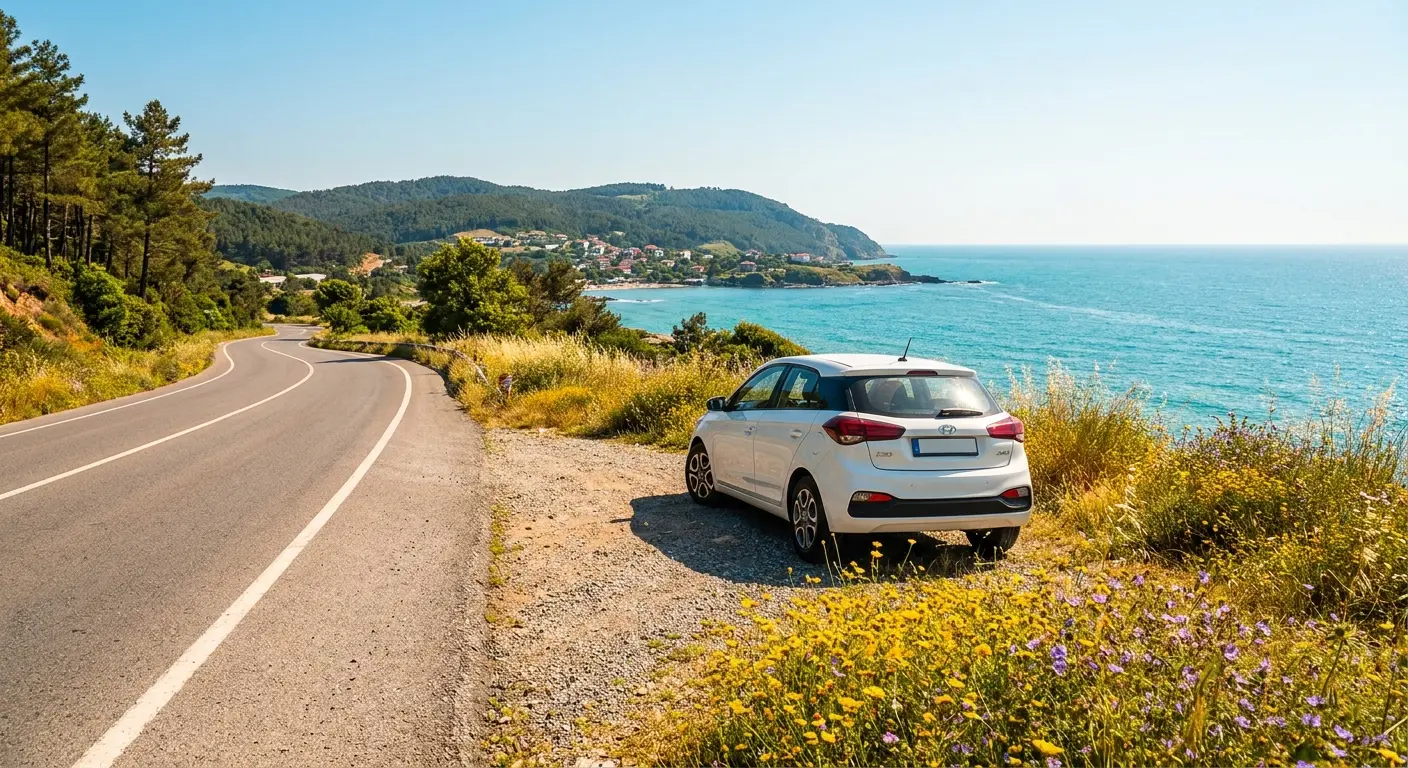
Some rates include unlimited mileage; others set a daily cap and charge per kilometre beyond it. Inside central Istanbul this rarely matters. It matters a great deal if you plan to drive to Bursa, Sapanca, Bolu, Edirne or the Aegean coast. Additional drivers are similar: adding a second named driver usually carries a daily fee, but letting someone drive without being on the agreement can void your cover entirely after an incident.
4. One-way rentals and drop-off location
Collecting at one location and returning at another — picking up at the airport and dropping in the city centre, for example — usually triggers a one-way fee. The amount depends on distance and how busy the drop-off location is. When comparing offers, do not compare day rates alone. Compare the exact pickup-and-drop-off combination you intend to use.
5. Fuel policy
There are two common models: full-to-full, where you return the car at the same level you received it, and same-level return, where the company refills any shortfall at its own rate, which is normally higher than the pump price. Whichever applies, the fuel gauge reading must be written into the agreement and photographed at pickup. A mismatch between the needle and the box ticked on the contract is one of the most frequent causes of disputes at return.
6. Driver age, licence age and experience rules
Drivers below a certain age are often charged a young driver fee per day, and some vehicle classes require a licence held for a minimum number of years. If the person booking is not the person driving, say so at the booking stage. Fixing this at the counter means rewriting the contract, which takes time you may not have.
7. Extras: child seats, navigation, winter tyres
Child seats, boosters, navigation units and winter tyres or chains are frequently priced as daily extras. On a long rental, these add up quickly and can approach the rental charge itself. Request them in writing when you book, and check they are actually fitted when you collect the car.
8. Cancellation, changes and no-show terms
Knowing what happens if your plans change is the cheapest form of protection. Confirm the free cancellation window, whether dates can be moved, and what happens if you arrive late. In peak summer weeks and around public holidays, fleet utilisation is high and late arrivals are more likely to lose their reservation.
Twelve Questions to Ask While Booking
Asking these in writing — through a live chat or email — creates a record you can rely on later:
- What is included in the quoted total, and what is excluded?
- How much is the deposit, is it held or charged, and when is it released?
- What insurance is included and what is the excess?
- Is mileage unlimited, and if not, how is overage calculated?
- Can I add a second driver, and at what cost?
- Can I drop the car at a different location, and what is the fee?
- Which fuel policy applies, and how is the pickup level recorded?
- Does the car have an active toll transponder, and how are bridge and motorway charges billed?
- What fuel type does the car use and what is the tank capacity?
- What is the procedure if the car needs servicing or breaks down mid-rental?
- If I return late, is the charge hourly or a full extra day?
- Is the exact model guaranteed, or is it a "or similar" category booking?
The last question matters more than it looks. Category bookings allow the supplier to substitute a comparable vehicle, and if the substitute sits in a different segment — manual instead of automatic, compact instead of mid-size — the conversation is far easier before you book than at the counter with your bags on the pavement.
Pickup Day: The Twenty-Minute Walkaround Checklist
Pickup is where budget protection becomes concrete. Do not rush. However busy the desk staff appear, a twenty-minute inspection is your standard right. Charge your phone beforehand, because photographs and video are your strongest tools here.
Document check
- Physical licence and ID or passport ready?
- Is the credit card in the same name as the agreement holder?
- Are your name, licence number and contact details correct on the contract?
- Any additional driver listed on the agreement?
- Are the plate number, make, model, model year and mileage printed on the contract?
Exterior sweep: scanning for existing damage
Walk a full clockwise loop around the car and check these areas individually: the lower front bumper, rear bumper corners, door edges, mirror housings, alloy wheels, wheel arch tops, the roof (especially the strip above the windscreen) and the boot lid. In city driving, most damage is caused by parking — bumper scuffs and door dents. Every scratch that is not marked on the condition diagram becomes a potential argument on return day.
Photo and video protocol
The most practical way to build evidence is to follow this order:
- Take wide shots from all four corners, framing the whole car with some ground visible.
- Photograph the odometer and the fuel gauge in a single readable frame.
- Capture every existing scratch and dent close-up, with a reference object (keys, a coin, your hand) beside it.
- Shoot the wheels, tyre tread and windscreen separately.
- Photograph the interior: seats, dashboard top, boot floor.
- Record a short walking video; having the date and time visible is useful.
Keep these files until well after the deposit is released. If a damage claim arrives later, they are the only evidence you will have.
Interior and equipment check
- Any stains, cigarette burns or tears on the upholstery?
- Do all seatbelts retract and lock correctly?
- Air conditioning, heating, rear screen demister and wipers working?
- Headlights, indicators, brake lights, hazard lights and interior lighting functional?
- Infotainment screen, USB ports and built-in navigation working?
- Spare wheel, jack, wheel wrench and warning triangle in the boot?
- First-aid kit and fire extinguisher present?
- Is the toll transponder fitted and active?
Tyres, glass and safety items
Tread depth and sidewall condition matter for both safety and return disputes. If tread is below the legal minimum, refuse the vehicle, get it recorded, or request a swap. Any chip, crack or repair mark on the windscreen should be documented immediately, because such damage can spread during your rental and turn into a full windscreen replacement argument. Clouded or yellowed headlights are also worth noting, since they affect night driving.
Fuel and mileage record
Confirm that the box ticked on the contract matches what the needle actually shows, then photograph both the gauge and the odometer. Comparing the odometer reading with the figure written on the contract prevents both fuel disputes and mileage overage arguments later.
Registration, inspection and mandatory documents
Check that the vehicle registration document is in the car, that the periodic roadworthiness inspection is valid, and that you understand the scope of the compulsory third-party policy. A missing registration document is the most common problem during a roadside check, and verifying it at pickup saves time later.
Reading the Contract: Small Print, Large Invoices
The rental agreement is the only written record of the relationship, and it is signed at pickup. Before you sign, read these clauses carefully:
- Excess and exclusions: In which situations is damage not covered? Are there exclusions for driving under the influence, unlicensed drivers, track or off-road use?
- Damage assessment method: Who inspects the car after return, within what timeframe, and against which criteria?
- Fines and traffic violations: How are speeding tickets, parking fines and toll violations from your rental period passed on to you?
- Cleaning and fuel conditions: Are there extra charges for excessive soiling, pets or smoking?
- Refund mechanics: How and when is the deposit returned, and to which card?
Signing without reading is how "it is a standard contract" becomes a charge you did not expect. Five minutes of reading prevents a much longer argument weeks later.
Budget Comparison: Daily, Long-Term or Chauffeur-Driven?
There is no single right way to rent a car in Istanbul. The right model depends on how long you need it and how much you drive each day. The comparison below focuses on cost structure rather than headline price.
Short-term daily rental (one to seven days)
The most flexible option for city breaks, airport arrivals, short holidays and business trips. The daily rate looks high, but your total commitment is low. The key variables here are the deposit and the insurance tier, because fixed per-vehicle costs spread over only a few days push the total up quickly.
Long-term rental (one month and beyond)
A strong option for residents who need reliable urban mobility, or for companies replacing a fleet vehicle. On long-term contracts, the daily equivalent drops noticeably and insurance, servicing and inspection are usually handled by the supplier. In exchange, you commit for longer, so early-return terms matter. When you compare, put the monthly total against the combined cost of owning a car: fuel, insurance, servicing, parking and depreciation.
Chauffeur-driven rental
Chauffeur-driven car rental comes into its own for meetings, weddings, airport welcomes and city tours. Fuel, parking risk and traffic-related stress transfer largely to the provider, while you focus on an hourly or daily service fee. For professionals who would rather work in the back seat than drive through Istanbul traffic, this often wins the budget comparison.
Flexible and corporate arrangements
Monthly invoicing, fleet discounts and corporate agreements give teams with regular vehicle needs a more predictable budget than repeated daily bookings. Fixing what would otherwise be variable costs is the main advantage for anyone planning a year ahead.
Istanbul-Specific Issues: Bridges, Tolls, Parking and Traffic
Istanbul changes the rental experience in a few specific ways. Knowing them in advance removes most unpleasant surprises.
Toll transponders and bridge crossings
The Bosphorus bridges and the motorways are tolled. Most rental cars carry a toll transponder; crossings are billed to the supplier and then passed on to you. Remember that charges may not appear in the system by the time you return the car, which is why many companies release the deposit only after those items have cleared.
Which side of the city, and when to drive
The side of the city where you collect the car shapes your whole itinerary. Traffic into the European side is heaviest in the morning; the reverse flow builds in the evening. Planning your day around that rhythm saves both fuel and hours.
Parking and local rules
Parking in central districts is a hidden cost line that adds to the rental itself. Find out in advance whether your hotel includes parking, which streets use paid parking schemes, and where restrictions apply. Illegal parking penalties are issued against the plate, which means the rental company passes them on to you.
Seasonality and booking timing
Summer months, public holidays, religious holidays and school breaks all raise demand for rental cars in Istanbul. In those windows, both finding the right vehicle and securing a reasonable total cost become harder. Booking early preserves your choice of vehicle class and pickup point. In winter, winter-tyre rules and possible snow become the relevant considerations instead.
Return Day: Close the Loop Properly
Return day is the most tiring part of the rental, yet this is where budget protection is completed. Before handing the keys back:
- Refuel to the level recorded at pickup and keep the receipt.
- Take photos from all four corners and of the instrument panel before handing over.
- Check the interior, boot and seats for personal belongings.
- Ask the staff for a written return form or damage inspection note.
- Return the car in daylight if at all possible.
- Confirm the deposit release timeframe and method one more time.
Night returns are especially risky because poor lighting means the inspection is either skipped or done later, making it harder to prove the car was undamaged when you handed it over. A daylight return with photographs is the simplest and most effective protection you have.
Ten Most Common Mistakes
- Comparing only daily rates instead of total cost.
- Not asking whether the deposit is held or charged.
- Not checking what the insurance tier covers and what excess applies.
- Leaving mileage limits and additional driver fees unresolved at booking.
- Collecting the car without photos or video.
- Not verifying the fuel level against the contract.
- Signing the condition diagram without marking existing damage.
- Letting an unlisted driver take the wheel.
- Returning the car at night or in poor lighting.
- Leaving without a return form or handover note.
If Something Goes Wrong
If an unexpected damage charge or extra fee appears after your rental, do not panic — the situation is manageable. Start by submitting a written objection to the company, attaching your photos, video and return form. Sending it by email rather than raising it verbally creates a record that is far harder to dispute. If you signed a return form confirming the car was undamaged, ask for the date and method of the later damage assessment.
If an unjustified charge appears on your card statement, you can open a chargeback dispute with your bank. The contract, the return form and your photographs are the key documents in that process. This is exactly why disciplined record-keeping from the first minute pays off: it turns a stressful argument into a short exchange of documents.
Adapting the Checklist to Your Own Budget
Every rental scenario is different, but the logic of the checklist never changes: know what you are paying for, read what you are signing, record what you receive, and document what you hand back. Those four habits make the total cost predictable regardless of the daily rate.
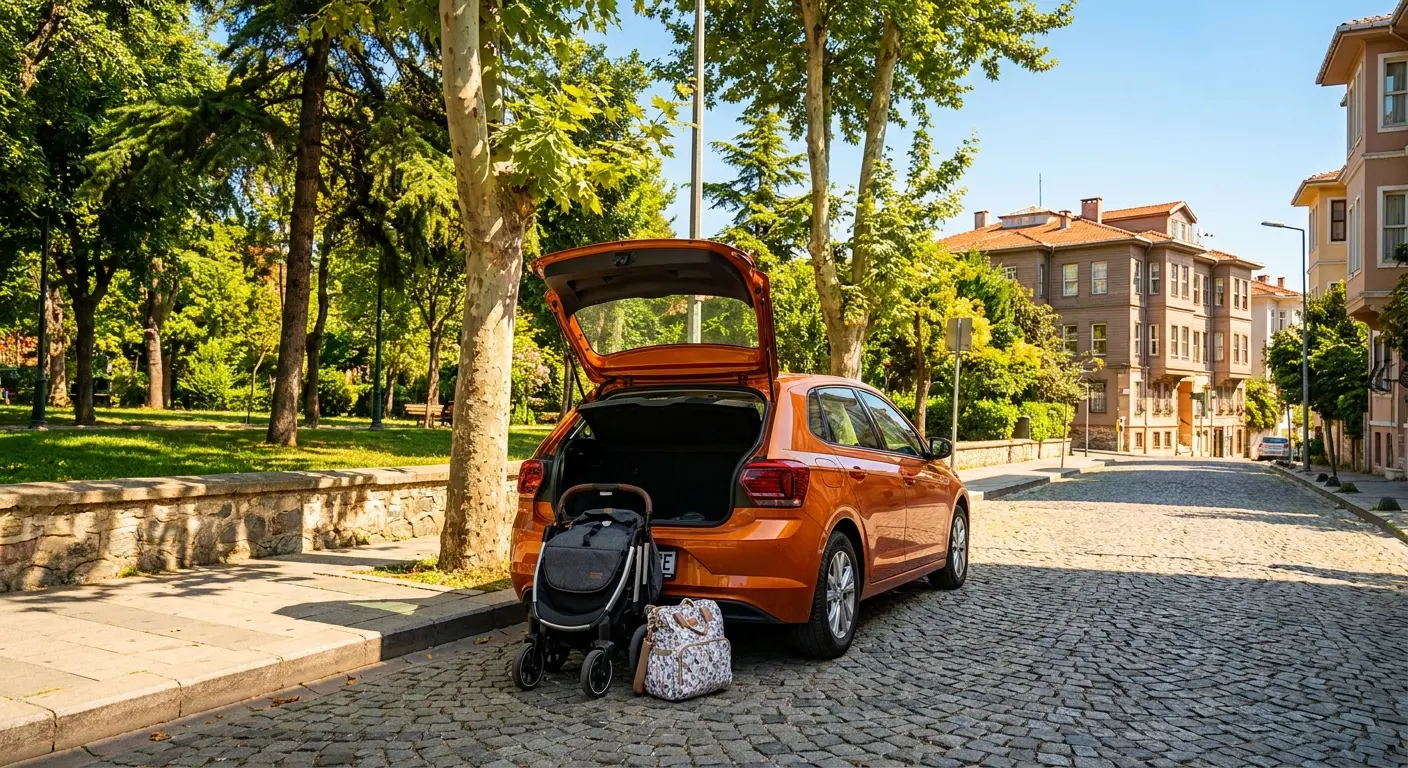
A small two-door car is enough for a short city break, while a larger boot makes more sense for family visits and intercity routes. Chauffeur-driven rental is a separate category altogether, best suited to travellers who want to convert traffic time into work or rest. Whichever option you choose, the twenty-minute inspection at pickup and a careful read of the agreement are the two steps that determine the financial outcome of the whole trip.
To compare vehicle classes, pickup points and current offers in one place, start with the Turlago car rental showcase and finalise your Istanbul and intercity plans before you confirm a reservation. A good rental experience always begins before you reach the pickup desk.