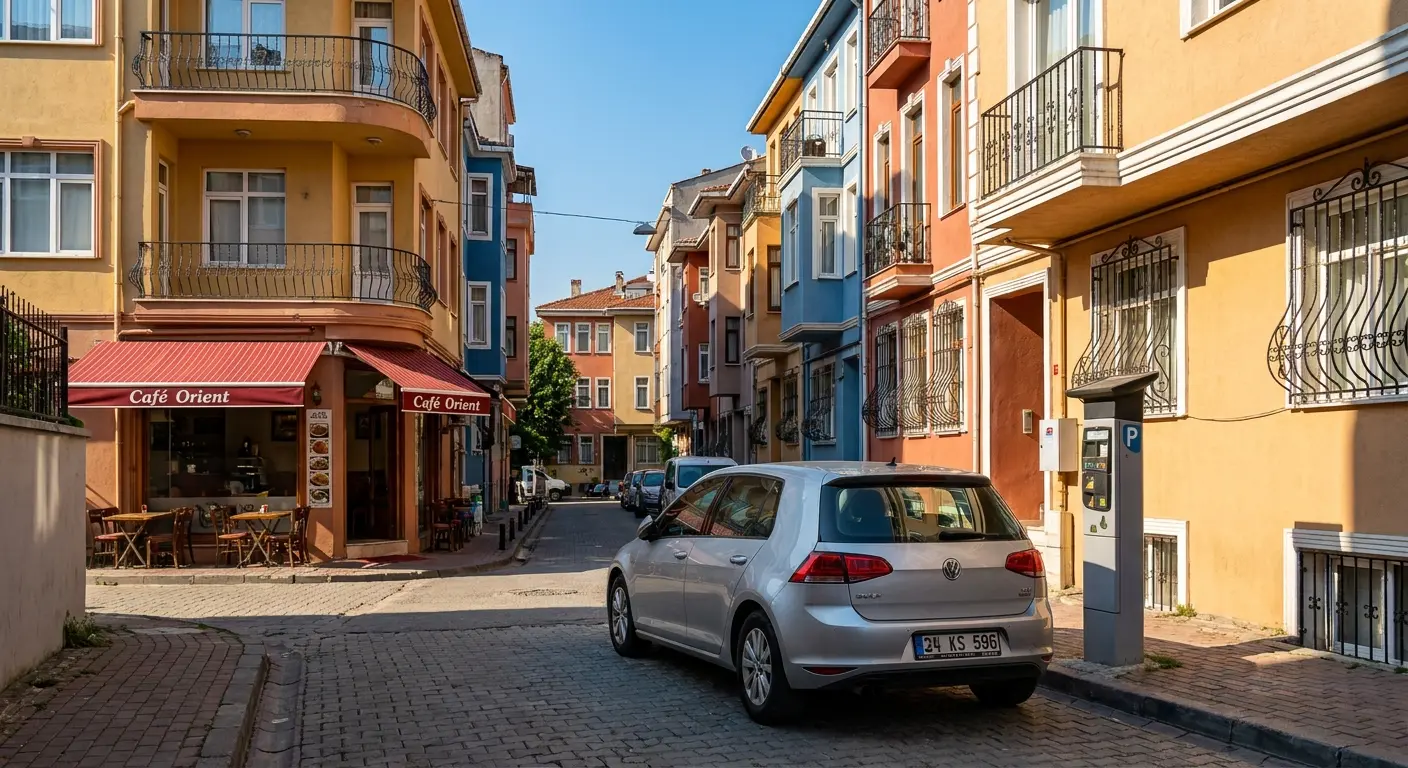
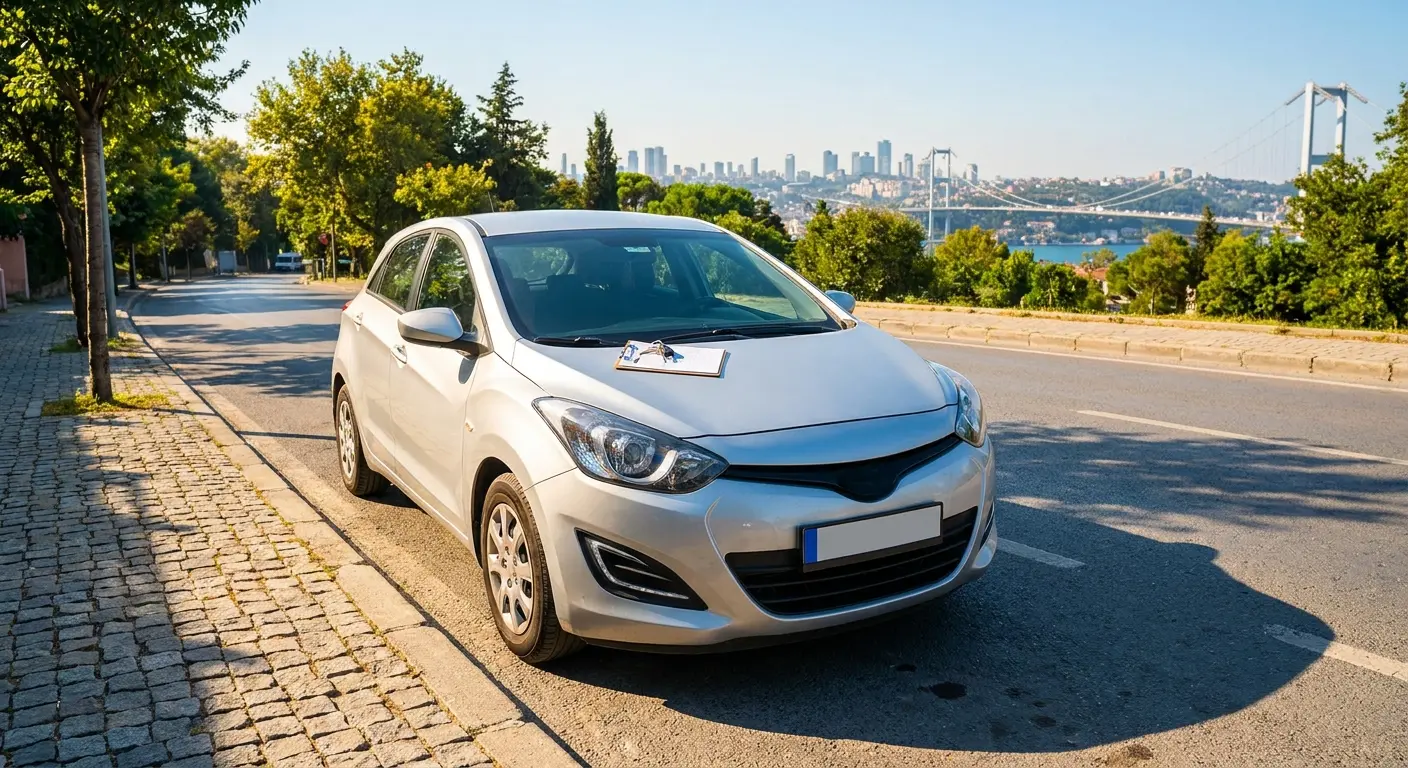
Istanbul Day-Trip Car Rental Routes: A Cost-First Comparison Guide
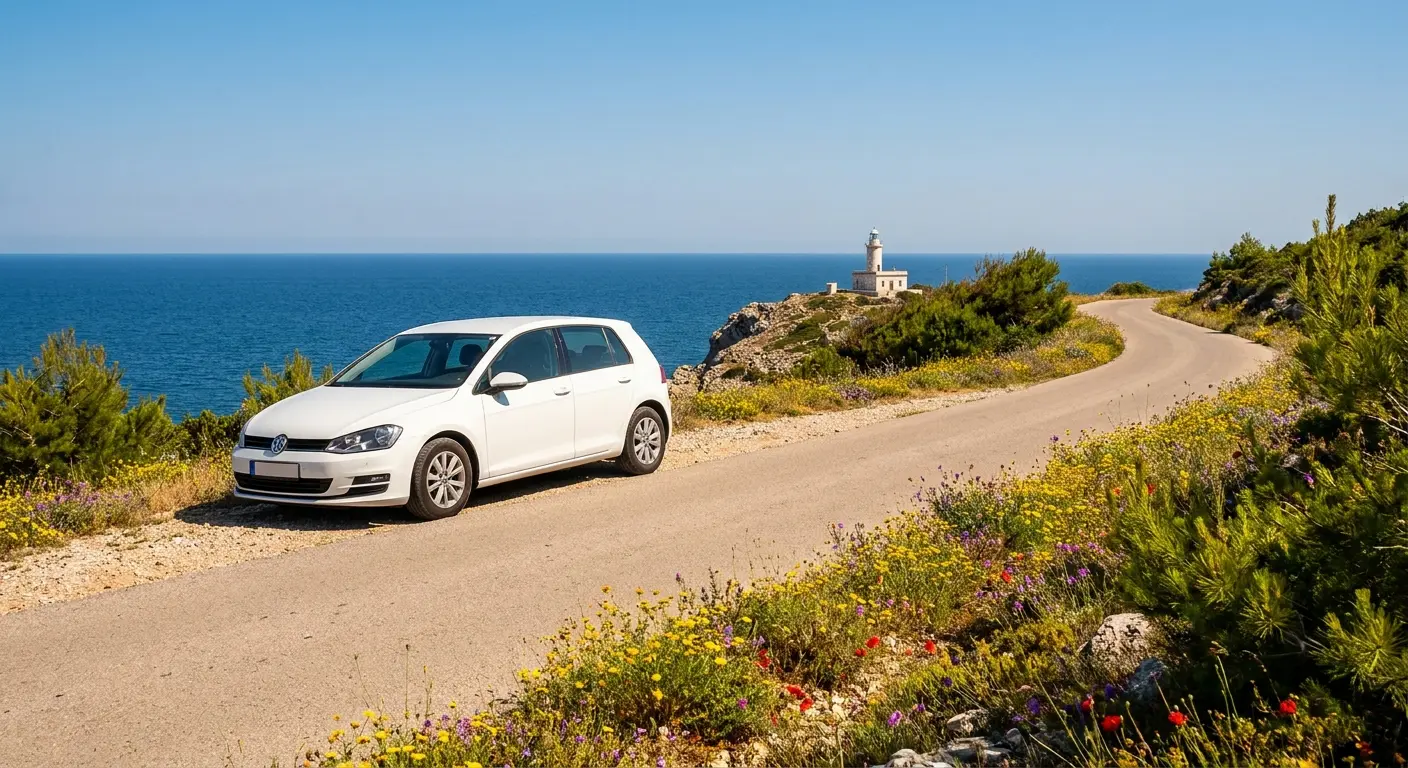
A one-day rental out of Istanbul rarely costs what the booking screen says. The gap is not caused by an upgrade you were talked into; it comes from motorway transponders, ferry tickets, fuel policy, mileage caps and the deposit hold on your card. This guide ranks the classic day-trip loops around Istanbul by what the whole day actually costs, not by how photogenic the coastline is. If you want to see what is available before you commit, explore Turlago car rental listings; the rest of this article breaks down where the money goes, route by route.
Most first-time renters ask how far they can drive. The more useful question is whether the route is a return loop or a one-way run, whether it uses tolled motorway or ordinary roads, and whether the car has to board a ferry. The same 250 kilometres can add almost nothing to your day on one route and a substantial surcharge on another. Treat the route profiles below as budget profiles first and travel suggestions second.
What the daily rate includes, and what it quietly excludes
A one-day rental is technically a 24-hour block. Inside that block you get the vehicle, compulsory third-party insurance and, on most contracts, a mileage allowance. Outside it you usually find glass and tyre damage, the excess-reduction package, an additional driver, a child seat and every toll road you cross. The most common budgeting error is reading the advertised daily rate as the total. The number worth comparing is the 24-hour total once full excess cover and a second driver are added.
The excess package is the invisible line item
Basic collision cover leaves you liable for an excess amount, and on some vehicle classes that figure is comparable to a full day's rental. Declining the package looks cheap until a stone chip on a forest road, or a scuff in a crowded beach car park, converts the excess into an actual charge. Ask yourself one question before deciding: does the surface and parking situation of this route justify carrying the risk? On gravel forest tracks and busy coastal car parks, the honest answer is usually no.
The deposit is not a cost, but it behaves like one
A deposit is a temporary hold on your credit card, not a payment. It still has two practical consequences for a day trip. First, your available limit must exceed the hold, or the booking will fail at the counter. Second, releasing the hold can take several business days, and it takes longer over a weekend. If you are considering hiring two different cars on the same day, assume both holds will sit on your limit at the same time.
Mileage caps and fuel policy
Day rentals come in two mileage models: unlimited, or a fixed daily allowance. On capped contracts, overage is charged per kilometre, and day trips from Istanbul reach those thresholds surprisingly fast, because a return run to the nearest neighbouring province easily passes 300 kilometres. Fuel has two models as well: full-to-full, where you pay only for what you burn, and a prepaid fuel pack, where unused fuel is generally not refunded. On short loops under 150 kilometres, the prepaid pack almost always works against you.
Doing your own fuel and toll arithmetic
The least predictable part of the budget sits outside the rental contract. The formula is simple: fuel cost = (distance ÷ 100) × average consumption × current price per litre. Do not use the manufacturer's open-road figure. A day that starts with Istanbul exit traffic and ends with a slow coastal crawl will burn noticeably more than the brochure claims, so base the estimate on mixed-use consumption.
Tolls involve two separate costs: the crossing charge itself and the transponder. Turkish rental cars normally carry an HGS tag, and crossings are billed back to the rental company and then to you after the fact. That means the day is not fully settled when you hand back the keys. Routes using the Northern Marmara corridor or the TEM motorway carry a more visible surcharge than the short Bosphorus loops. If your plan involves circling the Gulf of İzmit, price the car ferry against the motorway bridge as well: the fares are often close, but the ferry cuts both driving distance and fatigue.
The three cost tiers of a day trip
Loops around Istanbul fall into three clusters by cost behaviour. Knowing which cluster you are in also tells you which rental package to pick.
- Under 120 km (low cost): Inner city and the northern Bosphorus. Almost no tolls, no ferry, low risk of hitting a mileage cap. The budget is rental plus excess cover plus fuel.
- 150–300 km (medium cost): Şile, Ağva, Sapanca, Maşukiye, the Yalova area. Fuel becomes a real line item, one-way tolls appear on some routes, and a ferry may enter the plan.
- Over 300 km (high cost): Kıyıköy and İğneada, İznik and Gölyazı, the Bursa periphery. Fuel, tolls and possibly a ferry can together rival the daily rental rate. Unlimited mileage is close to mandatory here.
Route 1: the northern Bosphorus loop, the cheapest day out
A circuit from Sarıyer through Rumelifeneri, Garipçe and Kilyos, returning via Zekeriyaköy, is the most predictable budget on this list. There are no tolls and total driving rarely exceeds 80 kilometres. At Rumelifeneri, the ruined Genoese-era fortifications on the headland above the water, the lighthouse a few steps away and the small fish restaurants around the jetty make a calm early start. Garipçe, looking out at the northern mouth of the Bosphorus, catches the afternoon wind and works better as a short stop than a long lunch.
The advantage is not only low distance but timing flexibility. Because you can return before traffic thickens, you do not need to use the full 24-hour block, and handing the car back early removes any risk of being charged a second day. Budget for paid beach parking around Kilyos, which fills up on summer afternoons; it looks trivial and then quietly becomes a noticeable share of the day.
On the Asian side the equivalent is the Beykoz run: Anadolu Kavağı, Poyrazköy and Riva. The climb to the Yoros castle site is narrow but paved, and the road narrows again where it drops to the river mouth at Riva, so a compact car is easier to park and manoeuvre than a large one. This loop also stays under 100 kilometres, which means no toll and no ferry line in your calculation.
Route 2: Şile and Ağva, the best-balanced mid-budget day
Şile is where Istanbul meets the Black Sea. The nineteenth-century lighthouse, Kumbaba beach and the tea gardens around the breakwater are the standard stops, but the budget decision is whether you continue past Şile or turn back. Turning back at Şile gives you a day of roughly 200 kilometres. Continuing to Ağva and touching the Kandıra coast pushes it to 260–280 kilometres and visibly enlarges the fuel line.
Ağva sits on a delta where the Göksu and Yeşilçay rivers merge before reaching the sea. The lanes along the water and the small bridges are made for walking, not driving, which has two budget consequences: riverside private parking is paid, and on weekend afternoons the approach traffic slows enough that your return time slips, bringing the 24-hour block into play. A weekday visit gives you the same route with lower traffic and far more predictable cost.
The road between Şile and Ağva rolls and curves, and a constant brake-and-accelerate rhythm pushes consumption up. On this route a diesel or hybrid model makes a genuine difference against a petrol SUV. In winter, wet surfaces and coastal mist are common, so this is not the day to skip the excess package.
Route 3: the Thracian north-west, Kıyıköy and İğneada
This is the best example of the "long but toll-free" category. Kıyıköy, in the Vize district, is a small coastal settlement of stone houses and a rock-cut church, with the sheltered Kastro bay nearby. Reaching it and returning is already around 250 kilometres. Add İğneada and the day approaches 380 kilometres, which changes the budget profile completely.
Beyond İğneada lie the longoz wetlands, a seasonally flooded forest ecosystem with Lake Mert and Lake Erikli, among the least-visited natural areas in the country. Turn inland towards Demirköy to include the Dupnisa cave and the road character changes: narrow in places, partly unsurfaced, occasionally poorly maintained. Two practical consequences follow. First, attempting this route without unlimited mileage is a gamble. Second, a slightly higher-ground-clearance car makes more sense here than a low hatchback, both for comfort and for damage risk.
The good news on cost is that there are virtually no tolls and no ferry. The bad news is that fuel becomes the dominant line item. If you plan to go and return on one tank, identify your refuelling stop in advance; service stations are far apart in rural Thrace and prices away from the main corridors can be higher.
Route 4: the ferry day, Yalova, Termal and Armutlu
Yalova is the first route that adds an entirely new cost category: the car ferry. Crossing from Pendik or Yenikapı to Yalova shortens the drive but adds a ticket to the day's total. The alternative is to drive around via the Osmangazi Bridge, which replaces the ferry fare with a toll. Price both before deciding: the ferry saves fuel and fatigue, while the bridge route sometimes offers more flexible timing.
Around Yalova, the thermal springs at Termal, the Çınarcık shoreline and the forest roads on the lower slopes of Mount Taz fit into a single day. The less-known stop is Dipsiz Göl above Teşvikiye, where the road is narrow and the signage small enough that following local directions beats trusting a navigation app. The coastal road out towards the Armutlu peninsula is the scenic highlight but also the slowest section, and low average speeds mean you burn more fuel than the map suggests.
There is a second cost trap on ferry days: the return sailing. Missing the last convenient departure means either a long queue or driving back around the gulf, which adds both toll and fuel. Build the day around the return sailing rather than treating it as a last resort.
Route 5: the motorway day, Sapanca, Maşukiye, İznik and Gölyazı
Routes heading east and south-east generate the highest hidden cost, because they rely on the TEM and Northern Marmara corridors. Lake Sapanca and the stream-side facilities at Maşukiye below Kartepe are classic day-trip targets, but weekend access traffic can add two hours of standing time to a 200-kilometre day. Standing time consumes fuel and rental hours simultaneously.
İznik and Gölyazı combine well in one day. In İznik, the area around the Lefke Gate, the tile workshops and the small tea gardens on the lake shore are all easy to reach by car, and parking is comparatively simple. Gölyazı, a fishing village of narrow lanes on Lake Uluabat, is better entered on foot, leaving the car at the entrance. The budget profile is unambiguous: high distance (350–450 km), tolls on the way, no ferry. Attempting it without unlimited mileage is not advisable.
If you use the Northern Marmara corridor, set your return by the traffic rather than by your mood. Entering Istanbul between 16:00 and 20:00 is the least efficient part of any day trip. Leaving the coast at 14:00 usually means less fuel burned and far less stress.
Two identical budgets, two very different days
The comparison below assumes the same vehicle class and the same daily rate, and ranks routes by their relative cost outside the rental. Absolute figures will vary with the car, the day and the exact road; the point is the ordering.
- Northern Bosphorus loop: low fuel, no tolls, no ferry, low parking. Extra cost: lowest.
- Şile and Ağva: medium fuel, no tolls, medium parking. Extra cost: low to medium.
- Sapanca and Maşukiye: medium fuel, tolls, high standing time. Extra cost: medium.
- Yalova, Termal, Armutlu: medium fuel plus ferry or bridge. Extra cost: medium to high.
- İznik and Gölyazı: high fuel, tolls. Extra cost: high.
- Kıyıköy and İğneada: highest fuel, no tolls, variable road quality. Extra cost: high.
Weekday, weekend and public holiday pricing
The calendar affects a day-trip budget more than the map does. Weekend demand lifts daily rates from Friday evening, and many companies impose a two-day minimum for weekend bookings. You may set out intending to rent for one day and discover you are paying for two. Ask about the minimum rental period before you book; it removes a whole category of surprise.
Public holidays and long weekends are a separate regime. Availability shrinks, daily rates rise, and minimum periods can stretch to three days. Tolls and ferry fares, by contrast, do not move, which means the variable part of your budget is the rental and the fixed part is the road. If you are planning a day trip across a holiday, shifting the date is almost always cheaper than shortening the route.
One-way rentals and dropping off somewhere else
A tempting idea on day trips is to drive out and take a bus back. That requires dropping the car in a different city, and most companies charge a one-way fee based on distance and the cost of returning the vehicle. It can approach a full day's rental, so only consider it when the saved return journey genuinely outweighs the fee.
Within Istanbul, dropping at a different branch (collecting in Kadıköy in the morning, leaving the car at the airport in the evening) usually carries a smaller surcharge, but you must budget the return window and the traffic with it. On a one-day rental, reserving the final half hour for handover is what prevents a late-return charge that turns one day into two.
Which car class each route actually needs
Vehicle class is the most direct lever on the daily rate, but the bigger difference shows up in fuel. For the city and the Bosphorus loop, a compact hatchback is ideal for both parking and consumption. On rolling, curving roads such as Şile to Ağva, a hybrid returns a real saving on the brake-and-accelerate cycle. For forest routes towards Kıyıköy, İğneada and Dupnisa, slightly more ground clearance is sensible, though a large SUV becomes a liability on narrow village lanes in both fuel and parking terms.
An electric car only makes sense on a day trip if the charging plan is settled. Infrastructure around Istanbul is good, but fast chargers thin out at the far edges of Şile, Ağva and İğneada. Queueing to charge on the way home is a poor ending to a one-day plan; on these routes a hybrid is the safer choice.
The small costs that quietly enlarge the total
The least discussed part of the budget is a list of ten or twenty small payments. Individually they look trivial; together they sit heavily beside the rental rate.
- Beach and picnic-area parking, some of it charged by the hour in summer.
- Motorway and bridge crossings, billed later through the HGS transponder.
- Car ferry tickets, plus any reservation premium.
- National park and nature park entry fees, especially around the longoz wetlands and canyon areas.
- Additional-driver and young-driver surcharges, which are noticeable for drivers under 25.
- Child seats and extra equipment hire.
- An extra day charged because the handover time was missed.
- The difference between a prepaid fuel pack and full-to-full settlement.
Seven moves that cut the bill
- Book midweek. Same car, same route, better rate and lighter traffic.
- Think in 24-hour blocks, not calendar days. Collecting at 08:00 and returning at 08:00 the next morning works the definition in your favour.
- Match the mileage package to the distance. On any route above 200 kilometres, unlimited mileage is almost always the cheaper option.
- Choose full-to-full fuel settlement. Prepaid packs lose you money on short loops.
- Price ferry and bridge side by side. The difference is often smaller than expected, while the time saved is larger.
- Plan the return before the traffic builds. Leaving at 14:00 is always cheaper than idling at 19:00.
- Check your card limit in advance. A failed deposit hold means a last-minute, more expensive replacement car.
Five mistakes that inflate a day trip
- Treating the advertised daily rate as the total. Comparisons made without excess cover, a second driver and taxes are misleading.
- Not reading the mileage cap. Overage appears as a surprise line at the end of the day.
- Ignoring handover traffic. A late return can turn a one-day rental into two.
- Forgetting the deposit hold. A second same-day rental often fails for exactly this reason.
- Mismatching car class to road quality. A low car struggles on forest tracks; a wide one struggles in coastal car parks.
Quick answers
Which route is cheapest for a day rental?
The northern Bosphorus loop is the most predictable. No tolls, no ferry, and total distance under 100 kilometres. You get sea and scenery in the same day without a budgeting surprise.
Does fuel or do tolls cost more?
On routes above 200 kilometres, fuel is almost always the larger item. Tolls are one-off and predictable; fuel varies with driving style, traffic and vehicle class.
Do I need the excess-reduction package?
On main roads and in the city, the risk is manageable. For forest tracks, unsurfaced sections and crowded coastal car parks, the package is the most sensible purchase of the day.
Is a long-term rental better than repeat day rentals?
If you take two or three day trips a month, yes. A monthly contract usually costs less in total than repeated one-day bookings, and it removes the deposit and handover routine from every trip.
Conclusion: choose the total, not the postcard
The right question when comparing day-trip car rental routes from Istanbul is not which one is prettiest but which total budget you can sustain. The northern Bosphorus offers a short, predictable day; İğneada and İznik demand more fuel, more kilometres and a more careful plan. Add excess cover, fuel, tolls and any ferry to the daily rate before you decide, and the real difference between the routes becomes obvious.
Settling the car and the package in advance is the decisive step of any one-day plan. To compare vehicle classes and daily versus long-term options side by side, explore Turlago car rental listings and build the route around your budget rather than the other way round.