Istanbul Car Rental: Şile-Ağva Coastal Route Guide
The real reason this coastline needs a rental car
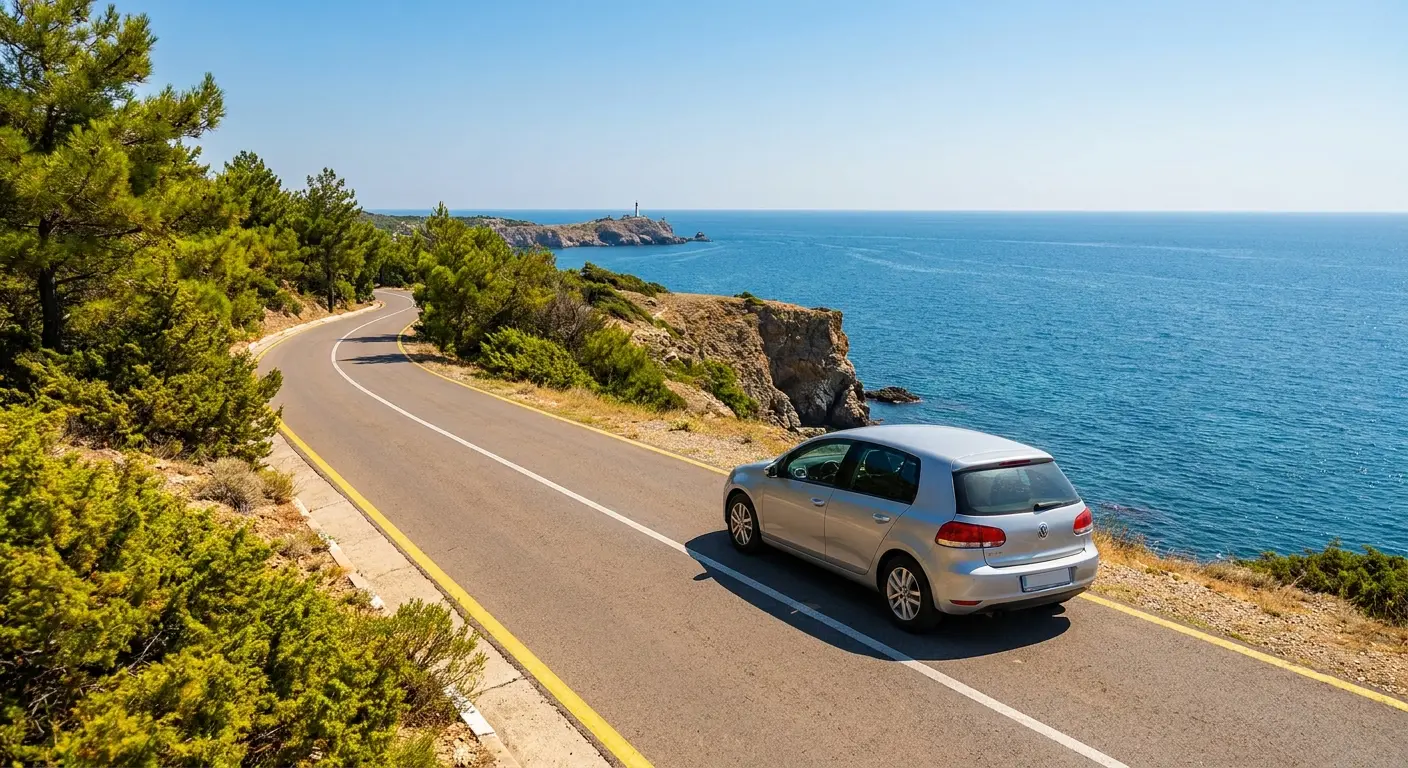
Şile and Ağva sit on the same stretch of Black Sea coast northeast of Istanbul, but they behave like two different places. Şile is a district town with a working harbour and a lighthouse. Ağva is a small settlement further east where two rivers meet the sea within a few hundred metres of each other. On a map the gap between them looks trivial. The interesting part is everything in between: Akçakese, Sahilköy, Doğancılı, narrow village connectors, coves that do not follow one another neatly, and river mouths you cannot reach on foot from a bus stop.
You can absolutely get to Şile by coach from Istanbul, and in summer there are services onward to Ağva. What you cannot do is move between the two at will. Buses run a few times a day, weekend demand is heavy, and the last return is early enough that a long lunch by the river becomes a scheduling problem. A rented car solves exactly that: breakfast in Şile, a swim near Sahilköy, dinner beside the Göksu in Ağva, all in one unhurried day.
Treat this as a route brief rather than a sales pitch. Below I cover which vehicle class actually suits this road, where your money goes on fuel and tolls, which weekends the road jams, and what to check in the rental contract specifically for this coastline. For the booking side itself, Turlago car rental options is a sensible starting point; the rest of this piece is about what happens once you are behind the wheel.
Which car class fits this coast? A budget comparison
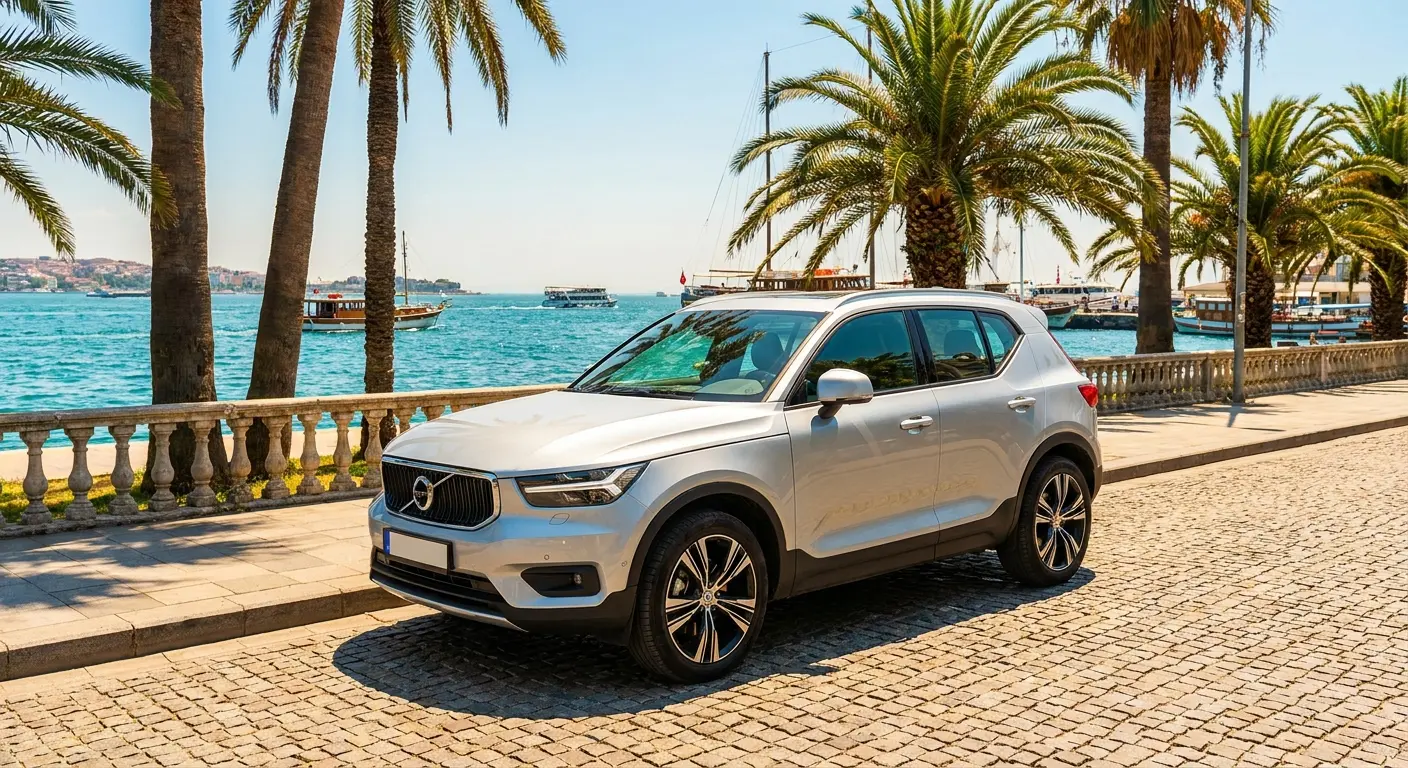
The Şile-Ağva corridor is mostly well-surfaced: motorway and state road are asphalt, village connectors are narrow, winding and occasionally patched. So the decision comes down to comfort, fuel consumption and total cost rather than off-road ability.
Economy hatchback: two people, light luggage
For a couple with cabin-sized bags, an economy car is genuinely enough. Low fuel consumption matters over a day of stop-start village driving, and a short wheelbase makes parking in Şile and Ağva town centres far easier. The trade-offs are real though: long climbs load the engine, a third passenger in the back is uncomfortable, and the boot closes the moment you add beach gear. On price, this is the cheapest daily rate band, and deposits and insurance packages are usually lighter too.
Sedan and station wagon: four people, long luggage
If you are travelling as a family or a group of four, a wagon body changes the trip. Groceries in Şile, folding chairs and a cool box in Ağva, beach umbrellas, a spare bag — it all fits. A sedan offers similar space for less money, but the rear seats do not fold, so anything long stays home. Fuel consumption rises noticeably over the economy class, especially in slow traffic off the motorway.
Compact SUV: broken village roads and shoulder seasons
If you plan to turn off onto side lanes toward the coves, the share of rough asphalt and gravel increases. Higher ground clearance and larger wheels genuinely help here, and in spring or autumn rain the extra grip is reassuring. The cost side is less attractive: higher fuel consumption, occasionally higher parking tariffs for larger vehicles, and a higher daily rate. For one or two travellers, an SUV rarely earns its premium on this particular route.
Electric vehicles: what to plan for here
An EV will do the loop, but it needs planning. Charging is limited in Şile town and Ağva, and effectively absent in the villages between them. On a return trip that exceeds your real-world range, you are gambling on charger availability at the point where you are also tired. Summer weekends make that gamble worse. If you do take an EV, describe your route to the handover agent and ask for realistic range figures — do not trust the brochure number.
Leaving Istanbul: two roads, two completely different days
The motorway connection: fast and featureless
Heading out via the northern motorway and dropping onto the Şile link road is the quickest option, particularly on a weekday morning. Tolls are collected electronically through the HGS/OGS transponder system, and on a rental car those charges are usually settled afterwards according to the contract. Tell the handover agent you will use toll roads so the billing method is clear from the start. The downside is that this road offers nothing: no views, few places to stop, and no sense of arriving anywhere until you suddenly are.
The Şile road: slower, greener, worth it once
The older Şile road climbs out of the city through forest and passes reservoir country, pine stands and roadside village cafés. It is slower and more winding, but the stops are better. Friday evening and Saturday morning this road clogs badly; Sunday evening the jam repeats in reverse. The practical answer is to take the scenic road outbound and the motorway back, or the reverse — always travelling against the dominant flow.
Şile: what is actually worth stopping for
Şile is often treated as a day trip destination, but a car turns it into a comfortable two-day base. Your advantage is being able to skip the crowded centre entirely.
- The lighthouse and its headland: the town's landmark and, by reputation, the largest lighthouse in Turkey. Early morning is the quietest and the light is best for photographs.
- The weeping rock: just beside the lighthouse area, where swell hits a hollow in the rock. Striking on a windy day, ordinary when the sea is flat.
- Castle ruins above the town: a short climb from the centre gives you the whole coastline in one frame.
- Kumbaba and Ayazma beaches: close to town, with parking, and popular with families. Finding a space after midday at the weekend is a challenge.
- Uzunkum and Kilimli: wider, more open beaches a little further out. Because they reward having a car, they stay calmer than the town beaches.
- Değirmençayı and forest picnic areas: a cool inland alternative when you have had enough salt and wind.
- Hacıllı village: known for its waterfall and walking trails, a short drive from Şile town. The access road is narrow — take it slowly.
For a meal, skip the busiest seafront restaurants and walk one street inland. The local cooking leans on fish, pastries and dairy, and it is usually both cheaper and more filling than the tourist-facing menus on the water.
Şile to Ağva: coast road or inland road?
This is the most practical decision in the whole route. There are two options: follow the coastline, or cut inland.
The coast road: Sahilköy, Doğancılı, Akçakese
The coastal route leaves Şile and threads through a sequence of villages. The best known is Sahilköy, with a long sandy beach and a much calmer atmosphere than Şile town at weekends. The sea stays on your left the entire way, and you can pull over and walk down whenever a bay appeals. Around Doğancılı and Akçakese the coves get smaller, the beaches more pebbly, and the crowds thinner. Parking can be tricky — if you have to stop on the verge, choose a spot where you are not blocking sightlines on a bend.
The inland road: faster, plainer
Cutting inland through forest and farmland gets you there quicker. The scenery is monotonous and places to stop are few. It makes sense if you are running late, if you want to reach Ağva before sunset, or if the weather turns. Sections are narrow and passing oncoming traffic needs care. I would not drive it after dark — lighting is close to non-existent.
Fuel-wise the two routes are nearly identical. The difference is time and experience: the coast road adds half an hour to an hour, and that is precisely what you came for.
Ağva: a town built between two rivers
Ağva's geography makes it one of the more unusual settlements on the Turkish Black Sea coast. The Göksu and the Yeşilçay form its two sides, and both reach the sea within a short distance of each other. The result is a place where river and beach experiences sit side by side.
- Riverside walking: park in the centre and continue on foot. The paths along the water are full of birdsong in the morning.
- The Yeşilçay side: the quieter, leafier half. Campsites and small guesthouses cluster here.
- The Göksu side: where the restaurants and cafés are, and where the town comes alive after dark. Dinner beside the water is the classic Ağva experience.
- The beach: long and open, immediately next to the centre. Wind is a constant on this coast — bring a proper anchor for your umbrella or accept that it will travel.
- The chapel ruin and old bridges: within walking distance of the centre, enough for a short exploration loop.
What the trip actually costs: fuel, tolls, parking, deposit
The daily rental rate is only one line in the budget. Plan these separately:
- Fuel: on a single return trip, fuel looks like a minor cost next to the rental fee. Deviate into village roads repeatedly and consumption climbs fast — constant stop-start between Şile and Ağva is more expensive per kilometre than steady motorway driving.
- Toll charges: the transponder is normally fitted to the car, and crossings are billed afterwards. Ask how this is settled before you drive away.
- Parking: paid car parks exist in central Şile and central Ağva. Villages are free but finding a space on a busy weekend costs you time.
- Deposit: a pre-authorisation on your card, not a charge, released according to the contract terms. Higher vehicle classes mean higher blocks.
- Mileage cap: some packages limit daily kilometres. Istanbul-Şile-Ağva and back is a longer total than most people estimate. Price an unlimited-mileage package as its own line item.
- Fuel policy: collect full, return full is the most transparent arrangement. Collect empty and return empty forces you to hunt for a station near the drop-off point.
In short, on this route your total is governed by mileage policy, fuel rules and deposit far more than by the headline daily rate. Comparing two quotes on the daily rate alone is misleading.
When to go: season and traffic windows
- April to May: quiet roads, the greenest landscape of the year, still-cold sea. Rental and accommodation rates sit below peak.
- Early June: in my view the best window on this coast. Warm air, crowds not yet at their peak.
- July and August: best swimming, worst traffic. Saturday morning outbound and Sunday evening inbound are the tightest slots of the week.
- September: sea still warm, crowds thinning, availability improving.
- October to March: the coast changes character entirely — fog, rain, wind. If you go, an SUV and good tyres genuinely matter; check tread depth at handover.
Practical rule: leave very early on Saturday rather than on Friday night, and shift your return to Monday morning rather than Sunday afternoon. Paying for one extra rental day is usually easier to stomach than two hours in a jam.
Contract clauses that matter on this route
- Mileage limit: estimate your total route distance in advance and write it down against the contract figure. Overage charges can exceed the daily rate difference between classes.
- Geographic restrictions: some contracts limit travel beyond certain provincial borders. Şile and Ağva sit inside Istanbul province, so this is rarely an issue — confirm anyway.
- Damage waiver: whether you have taken the excess reduction matters when a stone chips the paint on a gravel village lane.
- Roadside assistance coverage: recovery in the villages between Şile and Ağva is not quick. Ask about coverage area and response time.
- Pick-up and drop-off point: city centre to city centre is usually the cheaper arrangement; airport pick-up costs more but saves time.
- Deposit release timing: get the card pre-authorisation release period in writing.
Self-drive, chauffeured, or long-term rental?
If you are a larger group, or simply do not want to be the one driving, a chauffeured arrangement works well here. Someone else deals with parking in two busy towns, nobody has to skip a glass of wine at dinner, and a driver who knows the area may show you a cove you would never have found. The trade-off is flexibility: unplanned detours need negotiating.
Long-term rental is a different scenario altogether. If you are staying in Istanbul for several months, or if Şile and Ağva are going to become a weekend habit, daily rentals add up quickly. Monthly rates reduce the effective daily cost significantly and usually bundle servicing and insurance. The single condition: read the mileage and maintenance clauses carefully before signing.
Lesser-known stops and short detours
- Continuing east toward Kandıra: from Ağva, heading further east along the coast is the fastest way to leave the crowds behind. The drive is longer, the reward is a much emptier shoreline.
- Forest village roads: the inland lanes of the Şile-Ağva corridor are used for hiking and picnics. Enter them in daylight and only in dry conditions.
- River-mouth coves: small gravel lanes branch off the coast road and often end at an empty beach. Look at the first few metres before committing your car.
- Roadside producer stalls: honey, cheese and seasonal fruit sold from tables along the road are part of this region's character. When you pull over, avoid blocking sightlines.
Common mistakes on this drive
- Planning it as a single day: Istanbul to Şile to Ağva and back consumes almost a full day once driving is included. Booking one overnight transforms the trip.
- Leaving fuel to the last minute: filling stations are sparse on village roads. Leave Şile or Ağva town with a full tank.
- Trusting navigation blindly: some apps route you onto gravel forest tracks. Taking a rental car down those is both risky and contractually questionable.
- Hunting for parking at midday at the weekend: in both Şile and Ağva town centres this wastes serious time. Arriving early is the simplest fix.
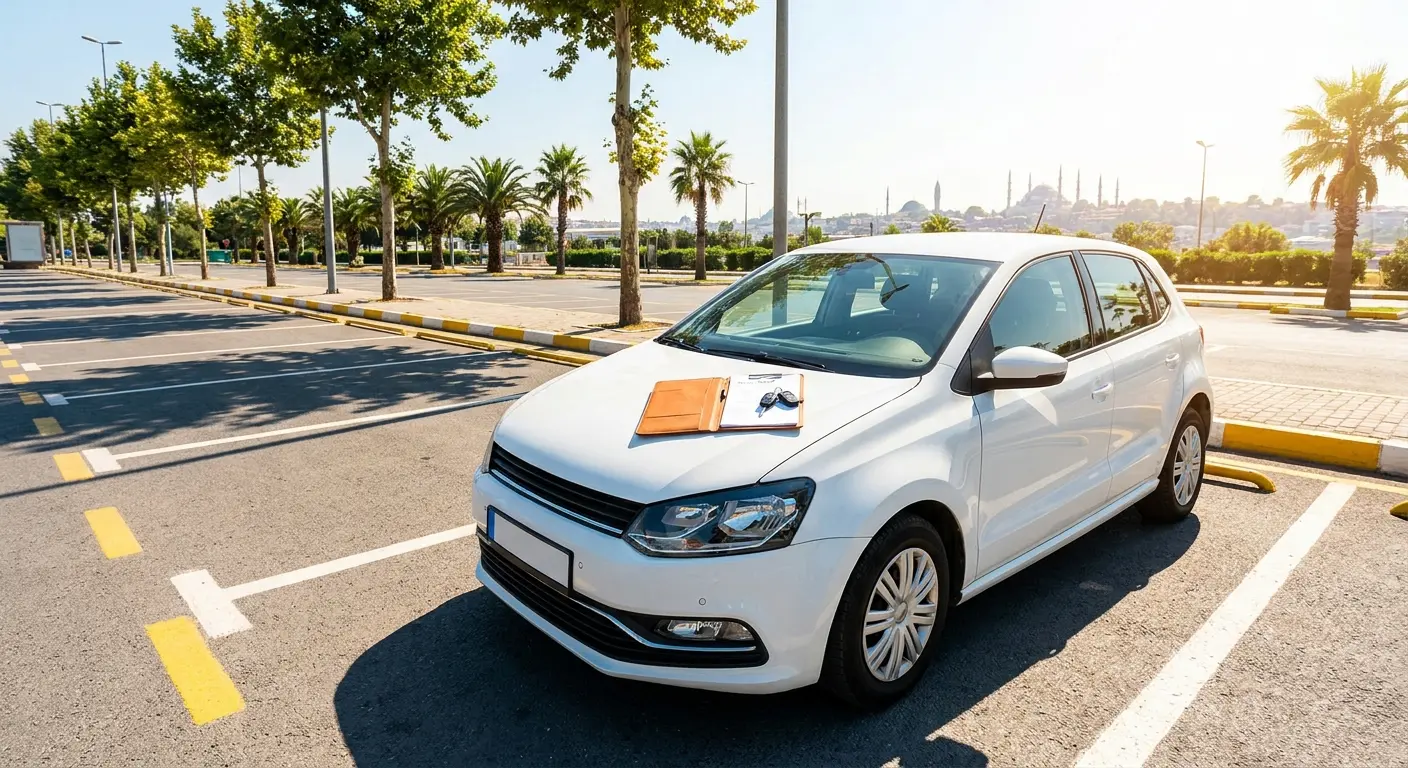
- Not documenting the car at handover: failing to photograph existing scratches invites a dispute at return. Walk the car and shoot every panel.
- Comparing only the daily rate: mileage caps, fuel policy and deposit affect your total more than the headline number.
Verdict: where to put the budget
On the Şile-Ağva coast, a rental car is a practical necessity rather than a luxury. The best parts of the region are not in the two towns but along the shoreline between them, and that shoreline is only reachable on four wheels.
My suggested order of decisions: secure an unlimited-mileage policy first, clarify fuel and toll handling second, and only then choose the vehicle class. Many people do this backwards, rent an SUV, and then discover they have exceeded a mileage cap. An economy car is right for two travellers, a wagon for four, and a compact SUV for winter trips or if you plan to turn off onto village lanes often.
Sorting the booking at the same time as the route planning saves a lot of friction later. For current vehicle classes, pick-up points and package comparisons, take a look at Turlago car rental options and confirm the mileage and insurance details before you reserve. With the right car, this coastline is the easiest way to leave Istanbul in the morning and arrive somewhere that feels nothing like it by lunchtime.