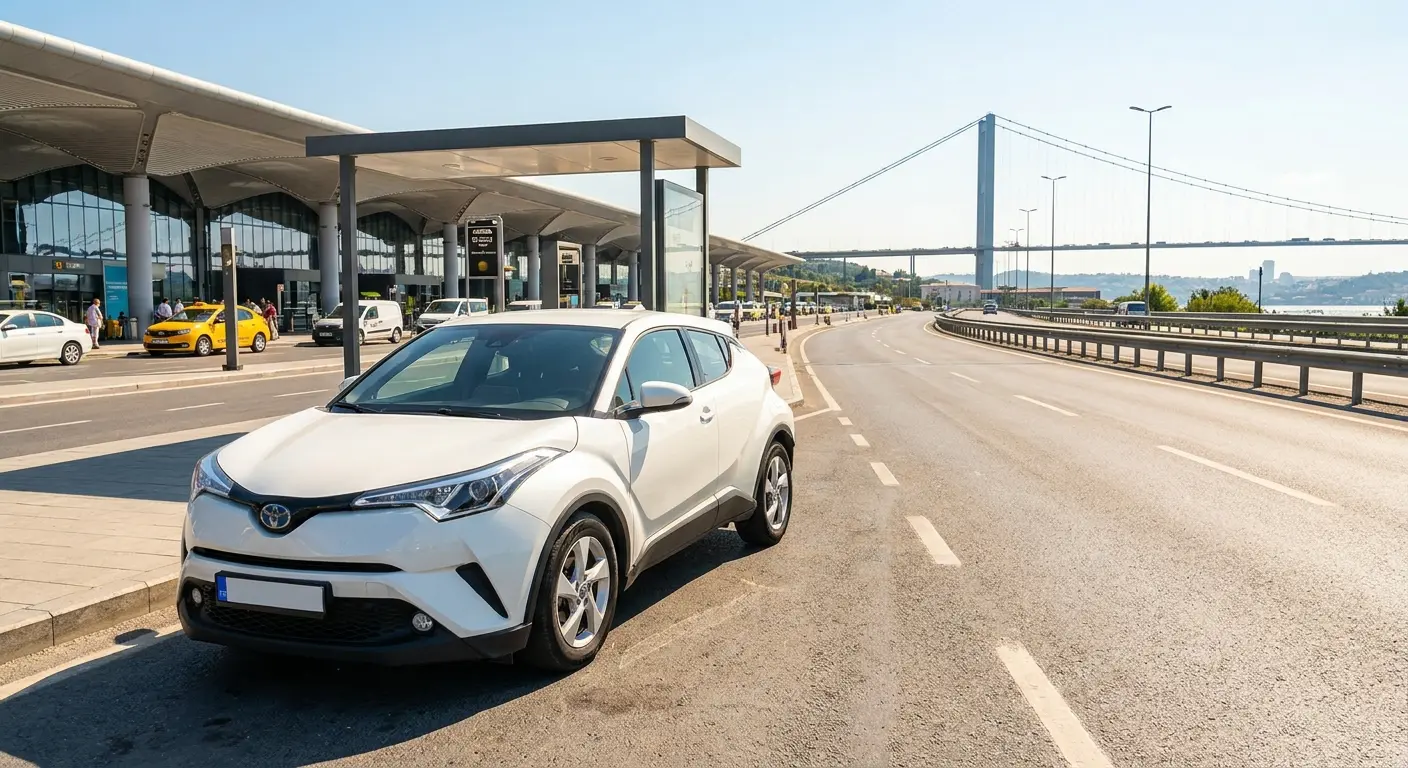
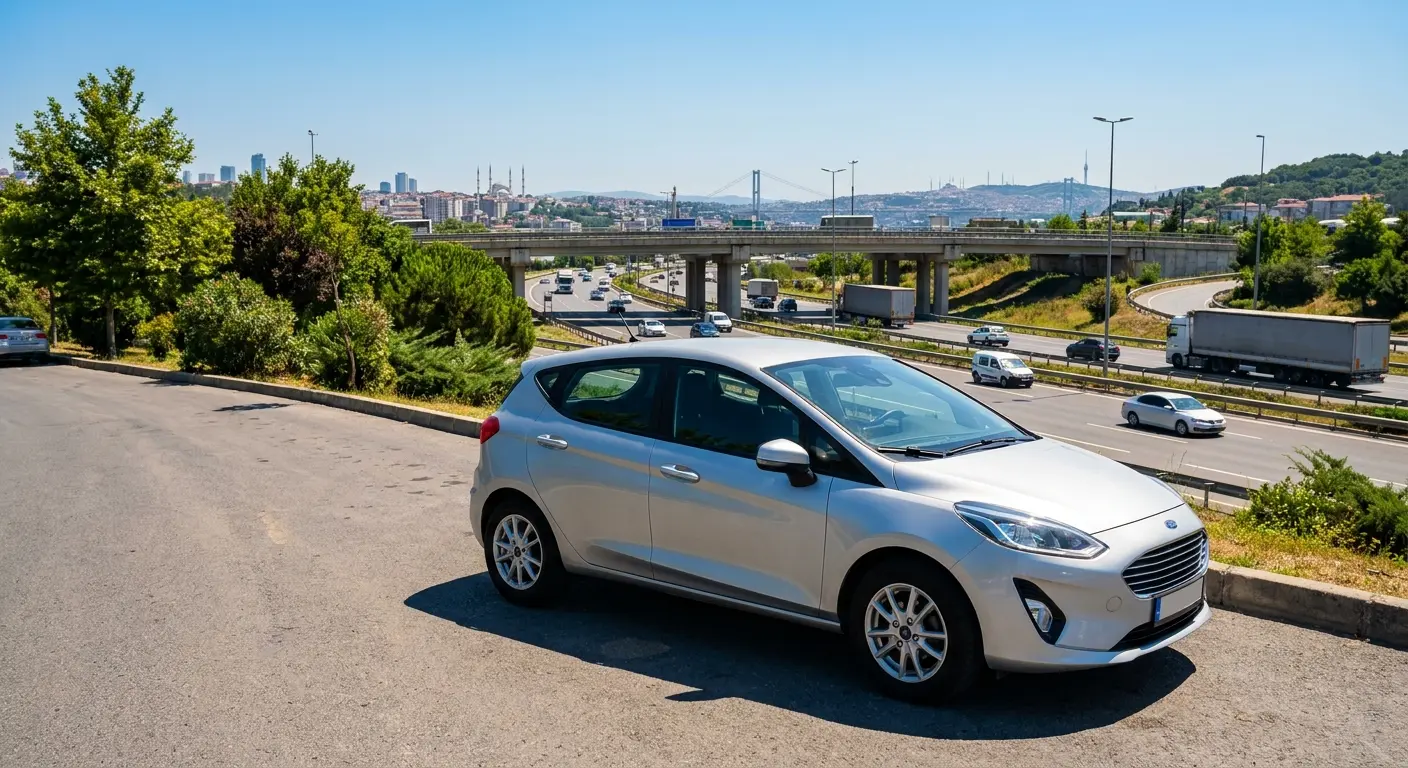
Long-Term Car Rental Guide: Keep Your Budget Safe in 2026

When you hear about long-term car rental, you might immediately think of high costs. But with the right planning, long-term rentals can be far more economical than repeated short-term daily rentals. In 2026, protecting your budget starts with understanding how long-term pricing works. This guide breaks down the costs, savings, and strategies so you can make a smart choice. Explore long-term car rental options on Turlago and compare tailored offers in one place.
What Is Long-Term Car Rental and When Does It Make Sense?
Long-term car rental refers to renting a vehicle for a period typically between 30 days and 12 months. It fills the gap between short-term daily rentals and buying a car. It's ideal for companies, expats on temporary assignments, project-based workers, or anyone delaying a vehicle purchase. The longer you rent, the lower the daily rate becomes—because rental companies value committed customers and adjust pricing accordingly. If you need a car for at least three months, long-term rental is definitely worth considering.
Short-Term vs Long-Term: Which Is More Economical?
Short-term rentals offer flexibility but come with high daily rates. Long-term rentals slash the daily cost. For example, a car that costs $100 per day daily might be $2,000 per month long-term, reducing the daily equivalent to around $67. If you rent for six months, that can drop further to $60 per day. The difference directly impacts your wallet. Moreover, long-term contracts often cover maintenance, tire changes, and comprehensive insurance within the package, saving you extra expenses. Short-term rentals typically charge extra for these services. For any need exceeding 30 days, long-term is the smarter financial choice.
Rental Duration and Price Relationship
As the rental period increases, the daily price decreases—but not uniformly. Generally, 1-2 month rentals are the most expensive per day, 3-6 months fall in the middle, and 6-12 months offer the lowest daily rates. In 2026, many companies offer special discounts for rentals of six months or more. While evaluating the monthly rate, also consider the total contract length. Some providers impose early cancellation penalties, so reasonable planning is crucial. Ask about extension options; flexible renewal terms protect you from surprises.
Choosing the Right Vehicle Class: Impact on Your Budget
Vehicle class is one of the biggest price drivers. A compact B-segment car could cost half as much as a luxury D-segment model. In 2026, fuel-efficient or electric vehicles are becoming more attractive for long-term rental. Electric vehicles have much lower energy costs per mile, and many rental companies provide special long-term pricing for EVs. When choosing a class, consider not just the rental fee but also fuel/electricity consumption, tax brackets, and insurance premiums. If your budget is tight, a compact car keeps both rental and running costs manageable.
Hidden Costs: What’s Not Included in the Price?
Long-term rental agreements often come with extra costs not included in the initial quote. Knowing them beforehand prevents budget shocks. Here are the most common hidden costs:
- Fuel policy: Cars are often supplied full and must be returned full. Failing to refill can incur high charges.
- Additional driver fee: Registering another driver usually costs extra per day.
- Collision damage waiver (CDW) excess: The deductible amount may be your responsibility unless you pay extra to reduce it.
- Roadside assistance: 24/7 emergency service is sometimes not included; it can be an optional fee.
- Late return penalty: Exceeding the agreed duration can cost multiples of the daily rate.
- Mileage limits: Some contracts cap monthly mileage; exceeding it triggers high per-kilometer charges.
Clarify each of these items before signing. Ask the provider whether the total price includes these elements or if they are add-ons.
Insurance and CDW Options
Insurance is a significant part of your long-term rental budget. Third-party liability is typically included, but CDW (Collision Damage Waiver) often costs extra. The CDW excess is the maximum you must pay after an accident. Instead of paying a daily fee to lower the excess to zero, evaluate your risk and choose a middle ground. In 2026, many companies bundle CDW and additional insurance with long-term contracts. For instance, adding $30 per day on a monthly basis might eliminate your excess entirely. This is especially wise if you drive in heavy traffic. Also consider personal accident insurance and baggage coverage. Remember, the cheapest rental quote can become the most expensive when insurance conditions are poor.
How to Build a Budget Plan for Long-Term Rental
To keep your finances on track, a systematic plan is essential. Here’s a step-by-step budget planning guide:
- Needs analysis: Determine how many months you'll use the car, your estimated annual mileage, and the vehicle class you need.
- Market research: Get quotes from at least three different rental companies. Compare not only monthly rates but also contract terms.
- Calculate additional costs: Add fuel, tolls, parking, insurance extras, and any mandatory fees.
- Set aside for contingencies: Reserve at least 10% of your budget for unexpected repairs or accident-related expenses.
- Compare to your income: Your total car-related expenses should not exceed 20% of your monthly income.
While following this plan, look for long-term car rental service packages that include maintenance and insurance; sometimes a higher monthly rental is actually cheaper than purchasing services separately.
The Long-Term Rental Market in 2026
As we step into 2026, the car rental industry is undergoing a transformation. The growing popularity of electric vehicles is influencing long-term rental prices. Many companies are expanding their EV fleets and offering special discounts on extended rentals. In addition, software-driven booking and mobile apps simplify vehicle delivery. This year, flexibility is key: monthly contracts, changeable pick-up/drop-off locations, and online cancellation are becoming standard. Due to economic volatility, providers are adjusting prices based on exchange rates, so choosing a company that offers fixed-rate guarantees protects your budget. Overall, expect more transparent pricing and easier comparisons in 2026.
Ways to Reduce Long-Term Rental Costs
Implement the following tactics to lower your long-term rental expenses:
- Extend your rental period: Upgrading from a 3-month to a 6-month contract often reduces the monthly rate by 15-20%.
- Choose higher mileage packages: If you exceed the base allowance, an unlimited mileage package might be more economical than paying per-mile penalties.
- Pick up outside the airport: Airport rental locations include higher surcharges; picking up from a city center office can save up to 10%.
- Optimize CDW excess: The extra cost to lower the excess might be worth it if you avoid a likely accident claim.
- Use corporate or membership discounts: Your employer may have a corporate rate; or benefit from seasonal promotions on platforms like Turlago.
These tips can significantly reduce your total rental cost. But never assume the cheapest quote is the best; always check for hidden fees.
Example Calculation: 6-Month Rental Cost Breakdown
For illustration, let's consider a mid-size automatic car in Turkey with a daily rental rate of around 100 EUR in 2026. A monthly contract might cost 1,700 EUR, while a 6-month contract could drop to 1,400 EUR per month. Here's a typical cost breakdown:
- Rental fee (6 months): 8,400 EUR
- CDW buyout (zero excess, 50 EUR/month): 300 EUR
- Additional driver (20 EUR/month): 120 EUR
- Mileage overage (500 km/month extra): 200 EUR
- Fuel (150 EUR/month average): 900 EUR
- Tolls and parking (60 EUR/month): 360 EUR
The total for six months comes to around 10,280 EUR. This is significantly lower than the cost of purchasing the same vehicle and provides potential tax advantages for business users. These figures are examples; get real-time quotes from Turlago for current pricing.
Frequently Asked Questions
Is a deposit required for long-term rentals? Most companies ask for a modest deposit or a credit card block, usually equal to one month's rent.
Can I switch vehicles during the contract? Some providers allow changes for a fee. Always ask beforehand.
Are there mileage limits? Yes, they vary by contract. Packages range from 3,000 to 10,000 km per month; unlimited mileage options cost more.
Can I take the car abroad? Long-term rental cars are usually restricted to domestic use. Cross-border travel requires company approval and additional documentation.
What if I want to end the rental early? Early termination fees are specified in the contract; they often amount to 20-30% of the remaining fees. Plan carefully.
Conclusion: Smart Rental with Turlago
In 2026, long-term car rental is an excellent way to protect your budget. With the right vehicle, the right duration, and the right contract, you can save up to 40% compared to short-term daily rentals. However, don't neglect to check hidden costs, understand insurance terms, and compare prices. Turlago brings together reliable rental companies and their best long-term deals. Explore long-term car rental opportunities on Turlago, find the car that matches your needs quickly, and enjoy the journey without breaking the bank.