VIP Car Rental in Istanbul for Business Travel: Budget Guide
For many corporate travelers, Istanbul’s chaotic traffic, scarce parking, and tight schedules turn VIP car rental for business travel from a luxury expense into a strategic necessity. Yet the “VIP” label unfairly suggests sky-high prices, which is why many companies quietly rule out professional car services before ever comparing the actual cost. The truth is that a well-planned VIP rental — whether chauffeured or self-driven — can be more transparent and cost-effective than relying on taxis or even maintaining a corporate fleet. In this guide, we break down the pricing mechanics of VIP car hire in Istanbul, highlight budget-conscious alternatives, and walk you through the real factors that separate a smart business spend from an overpriced invoice. And when you are ready to compare options, start with İstanbul’da Premium Araç Kiralama Seçenekleri for a side-by-side look at the best premium choices.
What Defines a VIP Car Rental and Why Business Travelers Need It
VIP car rental in Istanbul generally means access to a high-end vehicle (from executive sedans to luxury SUVs or vans), driven either by a professional chauffeur or entirely by yourself. For companies, this kind of service is not about flashing status — it’s about protecting the most expensive asset in any business trip: time. Istanbul’s geographic spread across two continents, three major airports, and multiple business districts means that moving between meetings without a dedicated vehicle creates unnecessary stress and considerable downtime.
Executives flying into Istanbul International Airport (IST) or Sabiha Gökçen (SAW) often order a premium transfer with a sign-board greeting and assistance with luggage. A VIP chauffeur tracks the flight’s arrival time, absorbs delays without charging waiting time, and knows the fastest routes across bridges and highways. Meanwhile, corporate boards meeting in Istanbul’s financial hubs — Levent, Maslak, Esentepe, and Kozyatağı — frequently require discreet, comfortable transport that doubles as a mobile office. This is where the definition of “VIP” moves beyond a glossy badge: it becomes a productivity tool with a measurable return on investment.
When Does a Business Trip in Istanbul Really Need VIP Car Rental?
Not every business trip calls for a premium vehicle. But there are unmistakable scenarios where renting a VIP car in Istanbul is not just justified but necessary:
- Executive airport transfers: With IST located on the European side and SAW on the Asian side, distances can exceed 100 km round trip. Chauffeur services eliminate the hunt for a taxi that accepts credit cards or the unpredictability of ride-hailing surges.
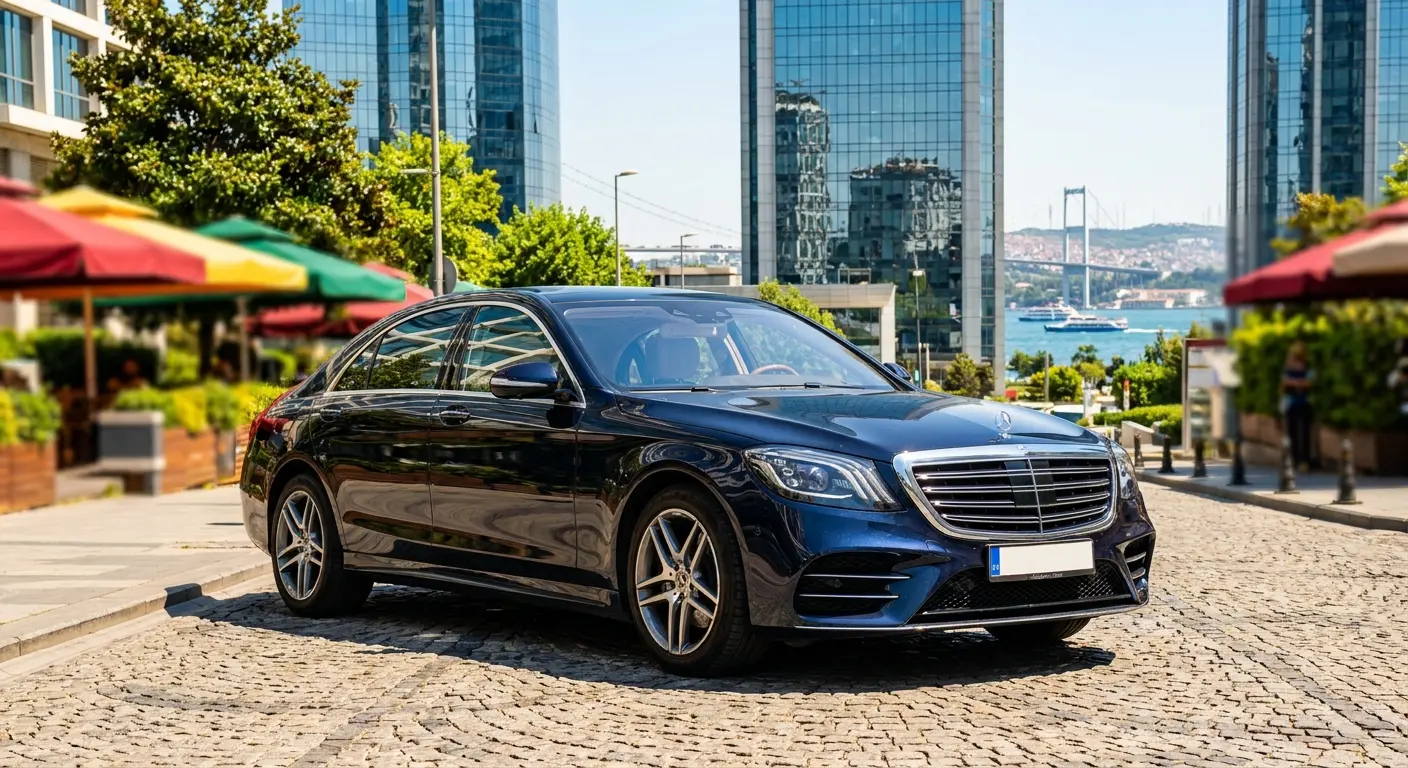
- High-profile client visits: When a potential investor or a major client arrives from abroad, greeting them in a well-maintained BMW 7 Series or Mercedes S-Class sets a professional tone that a standard taxi cannot.
- Back-to-back meeting schedules: A full-day itinerary with meetings on both sides of the Bosphorus demands a vehicle that follows you and provides a calm space between appointments. In a chauffeured car, you can phone, read emails, or rehearse a pitch without driving distractions.
- Corporate hospitality and events: Organizing transport for delegates at trade fairs, international summits, and conferences is a logistical puzzle. A VIP van or a sedán with a dedicated driver ensures groups stay together and arrive on time.
- Roadshows and site visits: If your team needs to visit factories, warehouses, or retail locations across the city’s outskirts, a self-driven or chauffeured SUV offers flexibility, ample boot space, and reliable navigation without hitting minibar-style taxi charges.
Each of these scenarios has its own ideal vehicle category and pricing model. To plan your budget accurately, you need to understand the components that make up the final quote.
7 Key Factors That Control VIP Car Rental Pricing in Istanbul
Knowing exactly what moves the needle on price is your strongest lever when negotiating with rental companies. Here are the seven most influential variables.
1. Vehicle Segment and Brand
The gap between an economy sedan and a full-luxury flagship is substantial. But not every business interaction requires a Maybach. For internal executive transfers, a newer Volkswagen Passat or an Audi A6 often provides sufficient comfort and image. For entertaining foreign investors, stepping up to an S-Class or a BMW 7 Series is standard. Consider the vehicle’s age, interior condition, and the availability of features like Wi-Fi and rear-seat entertainment — all of which affect the daily rate.
2. Chauffeur or Self-Drive?
Chauffeured rentals bundle the driver’s salary, overtime allowances, and (sometimes) accommodation into the price. Self-drive removes those costs and hands you complete control. For a single-hour airport transfer, a chauffeur is indispensable. For a one-week stay with self-managed schedules, a self-driven premium sedan can reduce your total transportation expense by 30–40%.
3. Rental Duration — Hourly, Daily, Monthly
Istanbul rentals commonly use hourly minimums (usually 3-4 hours), full-day blocks (24 hours), or monthly agreements. Hourly tariffs obviously include driver costs and always cap usage at a set number of kilometers. Monthly leases restructure the economics — you are essentially paying for the car’s depreciation plus service, and corporate discounts kick in after 10+ consecutive days.
4. Fuel, Tolls, and Parking Expenses
These are the notorious “hidden” line items. A fair chauffeured quote may state “fuel included, tolls included,” but beware of mileage caps or exclusion zones. Istanbul’s bridges (15 July Martyrs Bridge, Fatih Sultan Mehmet, Yavuz Sultan Selim) and motorways charge fees that can accumulate quickly. If the driver uses the parking at a luxury hotel, the hourly price may be steep. Ask for an all-inclusive price or set a daily allowance.
5. Insurance Extensions
Collision damage waiver is mandatory for luxury vehicles, but basic coverage often leaves a high excess amount. Other types of insurance, such as supplemental liability for corporate passengers, may be extra. Negotiating a zero-excess package is especially valuable for VIP models, where a cracked bumper could cost five-figure repair bills.
6. Season and High Demand
Business travel is busier during trade-fair weeks, Istanbul’s autumn summit season, and major football finals. Demand surges follow. Similarly, tourism’s summer peak indirectly raises chauffeur rates due to a shortage of multilingual drivers. For high-profile weeks, book at least two weeks ahead to lock in normal pricing.
7. Additional Services
Car seats for executive family visits, wheelchair ramps, onboard catering, or a personal valet on-site are all possible additions. Each add-on carries a service fee. Some rental agencies include bottled water and newspapers as standard; make sure you do not double-pay for perks that should be part of the “VIP” standard.
Budget vs. Value: A Cost Comparison Between Chauffeur and Self-Drive VIP Options
The decision between a chauffeured and self-drive VIP rental is not solely a matter of price tag. It is about total cost of ownership for your day, including your productivity, cognitive load, and convenience. Let’s break this down from a budgeting perspective.
Chauffeured VIP Rental: Paying for Time, Transparency, and Serenity
When you hire a chauffeured luxury car in Istanbul, you are effectively buying an expert who navigates traffic like a local and eliminates parking stress. The cost structure is straightforward: wheel time, driver standby, and vehicle overhead. At first glance, the hourly rate might seem double a standard premium rental — but only if you ignore the value of arriving at a meeting calm and prepared rather than frazzled and late.
To avoid invoice shock, understand the difference between “point-to-point” and “chauffeur with round-trip.” Point-to-point tariffs often apply from vehicle dispatch to drop-off, including any waiting. Daily packages with a fixed number of hours (8 or 10) are easier to forecast. Always confirm that the two major bridges and motorway (OTOYOL) are covered, that parking is billed at actual cost without agency markup, and whether a late-night waiting fee applies after 20:00.
Self-Drive VIP Rental: Maximum Control over Fixed Costs
Renting a car yourself removes the most volatile cost element: the driver. It gives you freedom to change routes, stop spontaneously, and keep the vehicle beyond a set hourly window. For an executive who enjoys driving, a BMW 5 Series or Porsche Panamera is a legitimate business tool. However, operating costs (fuel, tolls, parking) become your responsibility, and your time is no longer spent on meeting prep. When evaluating self-driven VIP rentals, factor in:
- Fuel efficiency: A diesel or hybrid luxury sedan can keep fuel costs significantly lower than a V8 SUV.
- Parking arrangements: Subscribe to mobile parking apps or negotiate corporate rates at hotels where your client meetings happen.
- Mileage cap: Daily deals often include 200-300 km. Istanbul’s ring-road driving can eat that quickly; look for unlimited mileage packages if your schedule forces extensive travel.
- Delivery and collection: If you do not have a Turlago office permit, ask for vehicle delivery to your hotel or the airport; often there is an extra fee but it may be waived for monthly rentals.
Long-Term Rentals and Corporate Accounts: The Bulk Discount Strategy
For extended assignments, large-scale events, or clients that require a “shadow fleet” during their stay, weekly and monthly VIP car rental offers savings of up to 40% compared to daily rates. On a monthly agreement, the car’s daily cost can drop from 4,000 TRY to 2,500 TRY (for comparison only), while including maintenance, winter tires, and full replacement liability. Many companies also sign umbrella contracts with one rental provider, ensuring that any of their employees in Istanbul can access preferential rates via a corporate code.
What a High-Value Corporate Monthly Package Includes
- Unlimited mileage or generous kilometer basket: This is crucial for chauffeur-driven use; otherwise, distance overage could destroy your budget.
- Flexible vehicle swaps: The option to move from a sedan to an SUV without contract penalty when an executive requires more luggage space.
- 24/7 roadside assistance: In Istanbul’s sprawling geometry, a breakdown can strand you for hours; premium rental companies should provide immediate backup.
- Dedicated account manager: Bookings, invoices, and vehicle changes are handled through one point of contact — reducing foreign management friction.
On Turlago, corporate clients can compare monthly rental options via İstanbul’da Premium Araç Kiralama Seçenekleri and submit a single quote request to multiple suppliers. This approach also provides price leverage, as you can see who offers the best long-term conditions.
Common Budget Mistakes When Renting VIP Cars in Istanbul
In our work analyzing user requests, we have observed several recurring budgeting errors that turn otherwise moderate prices into expensive disappointments.
1. Focusing Solely on the Hourly Rate
A company might advertise a lower hourly fee, but failing to check the minimum booking period can mean you pay for four hours when you only need two. Always ask for a “wet” quote for a realistic itinerary.
2. Ignoring Kilometers or Travel Zones
Certain providers target Bosphorus-crossing jobs with a zone-based fee system. A route from Taksim to Sabiha Gökçen airport might count as a “long transfer,” which is effectively an extra hourly charge. Read the rules carefully.
3. Not Clarifying Fuel Policy
Self-drive is typically full-to-full. However, a vehicle can be delivered with a partial tank; that is acceptable, but the return level must match. Disputes over fuel receipts can inflate costs. Take photographs of the fuel gauge and odometer at pick-up.
4. Not Buying Down the Excess
Your company may have a global travel insurance policy, but it often does not cover rental car liability in Turkey, especially for luxury vehicle classes. Adding a zero-excess protection package (typically 5-10% extra per day) can eliminate a potential financial disaster that far outweighs the saving.
5. Overlooking Turkish Traffic Penalties
If a self-drive rental incurs a speeding or parking ticket, the rental company may charge a “processing fee” on top of the penalty amount. This fee is often larger than the ticket itself. Always abide by speed limits, especially on the E-5 and O-7 corridors.
Budget-Fit Vehicle Choices for Business Travelers
Choosing the right VIP class is a balance between the perceived importance of the meeting and the actual budget line. For a week-long business trip, a mid-range executive saloon might serve well; for a single-day board meeting, a luxury flagship can be rented as an hourly experience.
Executive Sedans: The Default Corporate Choice
BMW 5 Series, Mercedes E-Class, Audi A6 — these are the gold standard for everyday VIP transport. They offer enough legroom, refinement, and brand image to impress clients without tipping over into ostentatious spending. Rental prices sit at a sensible midpoint. Fuel economy on diesels is excellent for city-highway mixed routes.
Luxury Flagships: The Prestige Layer
Mercedes S-Class, BMW 7 Series, Audi A8 — when you transport the chairman of your board or the owner of a major client, these models project unquestionable status. Prices can double daily, but for monthly agreements, the delta narrows. If your company has an open-end contract, you can occasionally switch to a luxury model for a single high-profile day without disrupting the monthly fee structure.
Luxury SUVs and Vans for Versatility
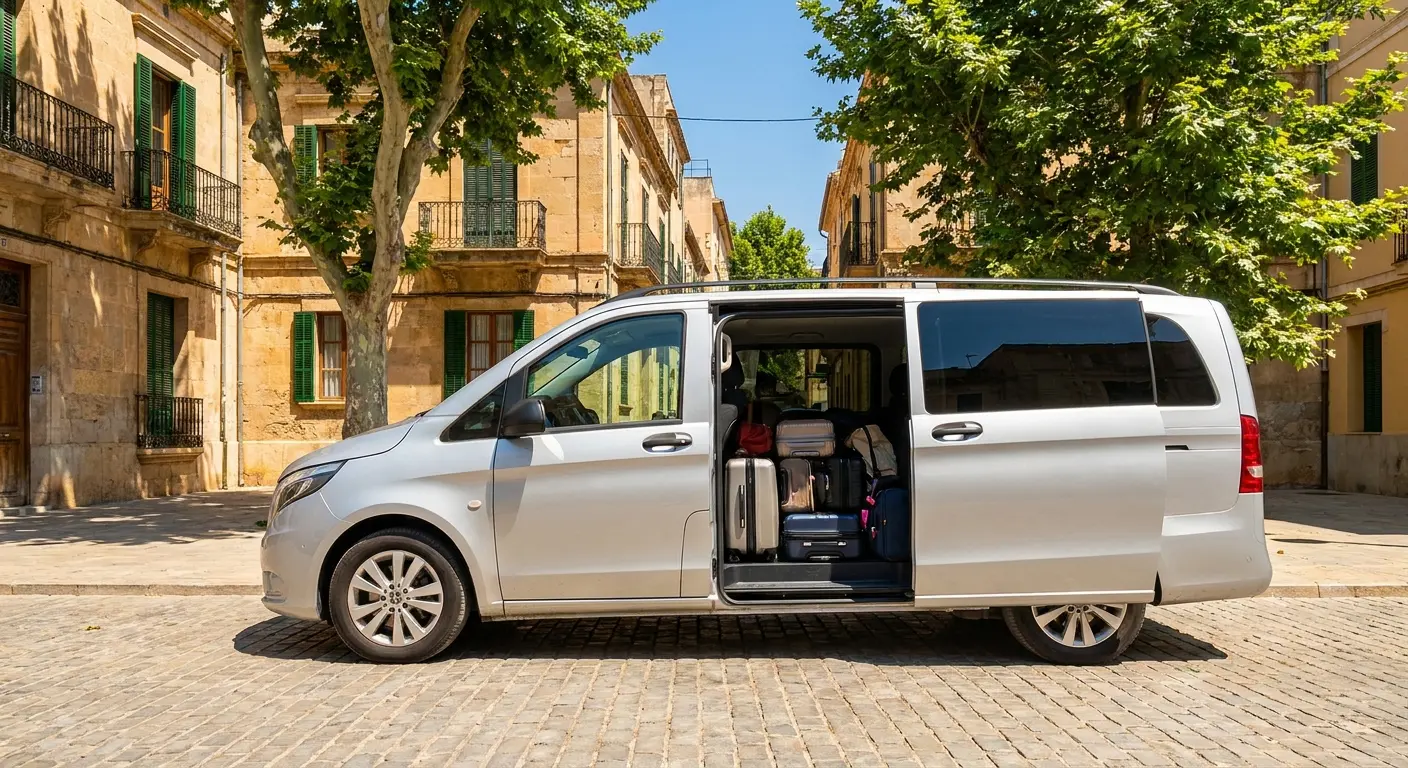
Range Rover, BMW X7, Mercedes GLS handle Istanbul’s unavoidable potholes and occasionally steep side streets with ease. A luxury SUV is also the go-to for visits to factory sites outside the city center. For groups of four or more, a Mercedes V-Class or Vito is surprisingly economical compared to two sedans and adds conference room functionality on the move.
Smart “Affordable VIP” Models
Many corporate newcomers overlook cars like the Volkswagen Passat, Skoda Superb, Volvo S60, or a top-spec Hyundai Sonata. They offer excellent comfort and modern connectivity at a fraction of the premium German brands’ cost. For companies visiting Istanbul for a short project, renting one of these reliable models is a sensible compromise; and the “VIP” tag becomes a matter of service quality rather than badge status.
Time and Money Saving Strategy in Istanbul Traffic
To get the most out of your VIP car rental — financially and practically — consider the following local intelligence:
- Plan around Istanbul’s rush hours: The 08:00–09:30 period on both sides of town is a parking lot. Lower your contracted pickup time to 09:00 and hold pre-meetings telephonically in the car.
- Use Bosphorus ferries for legs between meetings: A self-drive car alone cannot use the ferry unless you have a special permit, but if you rent a chauffeured service, some agencies offer luggage transfer while you take the ferry? This is rare; more practically, schedule meetings on each continent on different days.
- Negotiate landing-fee airport transfers: The line “waiting time is up to 60 minutes after landing” is standard; ensure you have a valid SIM to inform the driver if customs is delayed.
- Leverage hotel parking reciprocity: If you have a self-drive rental and stay at a five-star hotel that validates parking, ask your client to meet in the lobby rather than in a crowded restaurant where parking costs more.
- Avoid using E-5 in the afternoon; prefer the O-7 or previously E-6 (TEM): Even a chauffeur cannot beat physics, but a rental company can advise their driver via real-time traffic apps. If you are self-driving, have a good mobile navigation app that predicts traffic.
Final Thoughts: What Is the Real Investment Assumption?
Let’s say your company spends 5,000 TRY on two taxis for a day of four meetings. Add the anxiety of hailing taxis in the rain, two missed appointment slots, and the fatigue of navigating your own presentation via phone. A chauffeured sedan at around 3,500 TRY might produce more value. On the other hand, a self-driven premium car can serve as your own mobile office for an entire week for less than 20,000 TRY, providing you with complete flexibility.
The true cost of VIP car rental is the forgotten time you never count; but with a clear pricing framework and a reliable platform like Turlago, you can control that cost. Start your search by comparing İstanbul’da Premium Araç Kiralama Seçenekleri and ask for a consolidated quote from multiple vetted suppliers. Whether you choose an all-inclusive chauffeur service for a one-day summit or a self-driven executive saloon for month-long project, the right decision comes down to aligning the vehicle with your business agenda and your budget.
Turlago has specialized corporate travel coordinators who can tailor a transportation plan for your next Istanbul event or executive schedule. Contact us and we will bring you an offer that includes transparent pricing, modern vehicles, and — most importantly — one less thing to track while you focus on your meetings.