Cyprus Culture Tour 2026: Best Time to Visit & Car-Free Tips
Cyprus Culture Tour 2026: Best Time to Visit & Car-Free Travel Guide
When is the best time to visit Cyprus for a cultural deep dive? This is the question that lingers in the minds of those browsing the Cyprus Culture Tour 2 Nights 3 Days on Turlago. Located strategically in the Mediterranean, the island offers a unique blend of history and natural beauty. But the experience of its open-air museums, ancient cities, and monasteries varies dramatically with the seasons. Moreover, this package includes all transfers, professional guidance, and accommodation, making it a perfect choice for car-free travelers. So, which departure date suits you best? Let's analyze the months based on the tour's actual schedule.
Tour Inclusions and Overview
The Cyprus Culture Tour begins with a flight from Istanbul and covers the most significant cities of the Turkish Republic of Northern Cyprus. Over 2 nights and 3 days, you will visit Nicosia (Lefkoşa), Kyrenia (Girne), and Famagusta (Gazimağusa). The long-closed Varosha (Kapalı Maraş) is also on the itinerary. The key highlight of this tour is its fully organized transportation. Flight tickets, airport transfers, a modern coach, and professional tour guide services are all included. Your accommodation is a 4-star hotel in Kyrenia, with breakfast and dinner provided. This allows you to immerse yourself in the island's history without the hassle of renting a car.
As one of the best-selling packages in its category, this tour is particularly advantageous for Turkish citizens as it offers visa-free travel. It is also designed to be easily combined with a weekend getaway. Being listed under early booking tours means you shouldn't delay your decision to secure the best price.
How Seasons Affect Your Cultural Experience
Cyprus enjoys a Mediterranean climate: hot, dry summers and mild, wet winters. However, this generalization directly impacts your tour experience. For instance, winter museum visits in Nicosia are comfortable due to the cool weather, but rain can disrupt the open-air exploration of Varosha. In summer, climbing up to Bellapais Abbey can leave you sweating under the sun. Therefore, the "when" question is as critical as the "where."
Looking at the tour's departure dates: January 18, 24, 27; March 16; April 5; May 11; June 14; September 6 and 28; October 18; November 16 and 19, 2026. These dates span almost every season. Each period has its own set of advantages and disadvantages. Let's delve into a month-by-month analysis.
January: Quiet and Budget-Friendly but Cold
January is the lowest tourist season in Cyprus. Daytime temperatures hover around 15-17°C, dropping to 8-10°C at night. Rainfall is likely. Plan for umbrellas and waterproof jackets, especially for open-air sites like Varosha. The absence of crowds allows you to explore museums at a relaxed pace. Emotional stops like the Barbarism Museum (Barbarlık Müzesi) resonate even more in a somber setting. Hotel prices are at their lowest, and tour prices may be further reduced with early booking deals. If you choose a January departure, pack warm layers and waterproof footwear.
March: The First Signs of Spring
The March 16 departure welcomes you with a nature waking from winter. Temperatures reach 18-20°C, with nights at 10-12°C. Rainfall decreases, though a light raincoat is still advisable. Almond trees blossom, filling Nicosia's streets with a fresh spring aroma. Most tourist facilities have transitioned from winter mode, and cafés are open. This period is generally considered one of the most comfortable for exploration.
April: Peak Spring
April 5 is timed perfectly for Cyprus's most beautiful phase. Temperatures rise to 22-24°C, with cool nights at 12-14°C. A light jacket suffices. Nature bursts into green, and wildflowers paint the landscape. With tourist density still low, you can take unobstructed photos at Bellapais Abbey. The sea remains chilly (18-19°C), but that hardly matters for a culture tour. This is an excellent month for outdoor activities and museum visits alike.
May: Warmer and Sea-Ready
On May 11, expect 25-28°C air and sea temperatures of 21-22°C. This marks the first suitable period for swimming. Although the tour focuses on culture, you can sneak in some beach time during free moments. Your Kyrenia hotel may be within walking distance to a beach. Sunscreen and a hat are essential. While walking through Varosha, the shadows of abandoned buildings offer relief from the midday sun. May balances cultural exploration with early summer pleasures.
June: Approaching Summer
June 14 sees temperatures near 30°C, with nights around 20°C. The sea reaches a warm 24°C. However, midday heat can be challenging for outdoor sightseeing. Higher elevations like Bellapais offer a breeze, but staying hydrated is crucial. June still avoids the peak tourist rush, though European visitors start arriving with school holidays. This month provides a good price-performance balance.
September: A Golden Transition
September is often called Cyprus's second spring. The September 6 and 28 tours encounter temperatures of 28-30°C, falling to 20°C at night. The sea remains perfect for swimming. The best part is that tourist numbers decline as summer ends, offering a more serene experience. Varosha's haunting emptiness becomes even more meaningful in this quieter period. It's an ideal time for cultural tours.
October: One of the Best Months
October 18 falls during what locals call the "third season." Temperatures sit at a comfortable 24-26°C, with nights at 16°C. Light layers work for mornings and evenings. This is when crowds dissipate, and prices begin to drop. You may find yourself alone in museums and ancient sites. Local festivals, such as grape harvest celebrations, might coincide with your visit. For many, October is the top choice for a culture-focused trip.
November: Season Wrap-Up
The November 16 and 19 departures mark the end of the season. Expect 19-21°C days and 12-14°C nights. Rainfall begins, but continuous downpours are rare. Tourist spots become very quiet, and prices hit their lowest. Some establishments may shorten their hours or close for the winter, so plan accordingly. Bellapais Abbey remains open, but it's wise to check current schedules.
Day-by-Day Itinerary Deep Dive
This tour is more than a typical bus tour—it's a cultural journey through the island's soul. Knowing what awaits at each stop helps you manage your time and expectations. Here's what to expect:
Day 1: Nicosia and the Green Line
Upon arrival at Ercan Airport, your guide and transfer vehicle await. The first destination is Nicosia, the divided capital. Your first stop is the Barbarism Museum, a house where Doctor Nihat İlhan, his wife, and three children were tragically killed in 1963. The museum preserves the scene as a powerful reminder of the island's turbulent past, leaving visitors deeply moved.
After this emotional visit, you'll get a panoramic view of the Green Line, the UN-buffered zone separating the northern and southern parts of the island. Your guide will explain the security details and historical context. You'll also wander through the authentic bazaars of North Nicosia.
Day 2: Kyrenia's Natural and Historical Treasures
After breakfast, an hour-long bus ride brings you to Kyrenia. Your first stop is the Mavi Köşk (Blue Mansion), an architectural marvel with a fascinating story. From here, you can also see the underwater water pipeline from Anamur and the Geçitköy Dam—a symbol of Turkey's friendship with Northern Cyprus.
The next destination is the Karaoğlanoğlu region, site of the 1974 landing. Here, you'll visit the Ship Museum, the Gazi Helicopter, the Peace and Freedom Museum, and the Open-Air Museum, all centered around the military operation. The war cemetery adds a solemn touch.
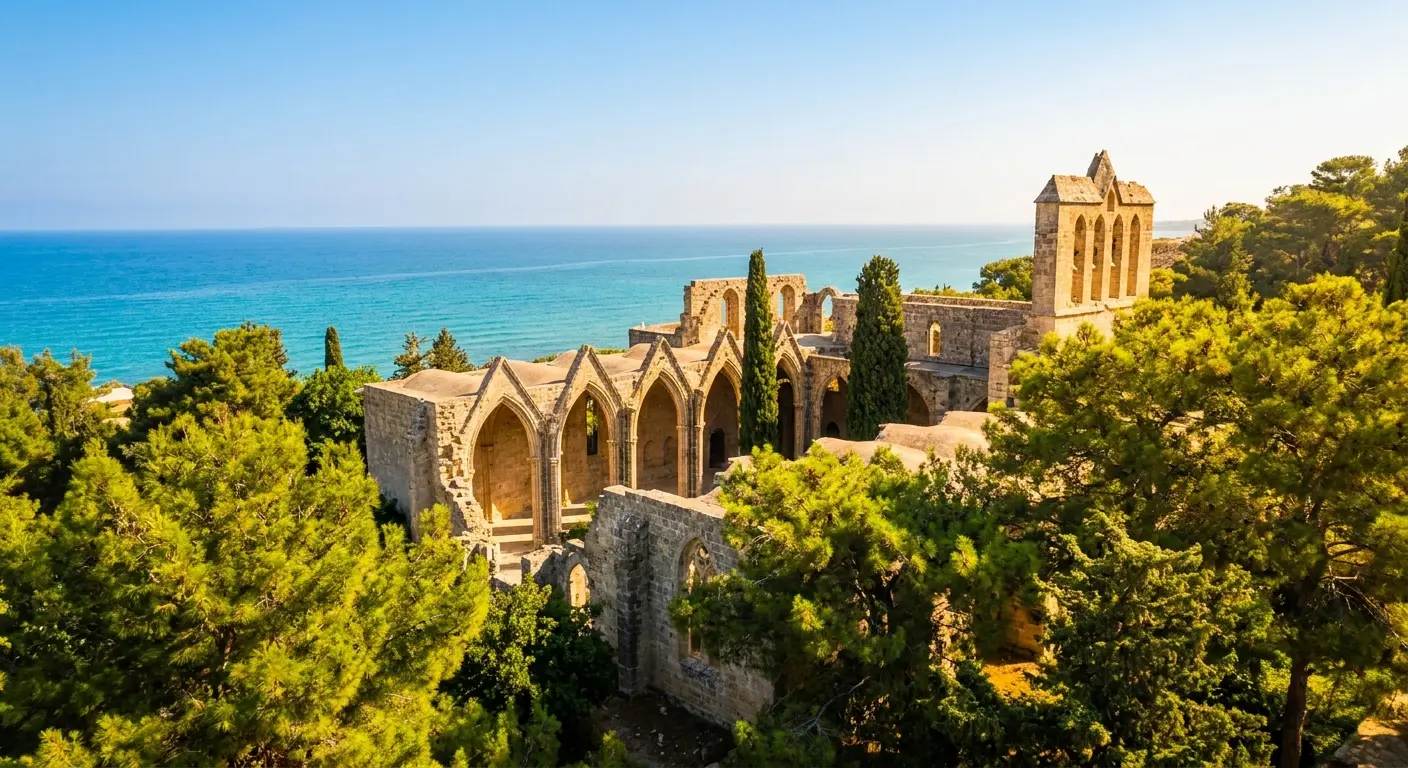
Around midday, you'll arrive at Bellapais Abbey, nestled on the slopes of the Beşparmak Mountains. This 13th-century Gothic abbey offers stunning panoramic views. Literature enthusiasts will recall Lawrence Durrell's "Bitter Lemons," which he wrote while living nearby. Your guide shares the abbey's history and restoration efforts.
Day 3: Famagusta and Varosha
The final day starts with a visit to Varosha, the fenced-off district of Famagusta. Once a glamorous resort, it now stands as a ghost town of derelict hotels and empty streets. A portion is now open to visitors, offering a unique window into the past. The Bilal Ağa Foundation mosque, built in 1813, is a significant historical site here. The area resembles an open-air film set, perfect for photographers.
Next, you'll explore the walled city of Famagusta. Walk along Venetian fortifications and visit the Namık Kemal Dungeon, where the famous Ottoman poet was exiled. The Venetian Palace also showcases Gothic architecture from a bygone era. The tour concludes with some free time at Petek Pastanesi, a local patisserie, where you can relax with a coffee and sample traditional sweets.
Car-Free Cyprus: Transportation Details and Tips
One of the biggest advantages of this tour is that all logistics are pre-arranged. Renting a car in Cyprus can be stressful, with right-hand traffic and unfamiliar road rules. This package eliminates that worry entirely.
Ercan Airport Transfers
Airport transfers are included on the first day and after the tour. Although public buses connect Ercan Airport to Nicosia and Kyrenia, you won't need them as part of this package.
Walking in Nicosia
The historic center of Nicosia is remarkably compact. Walking is the best way to explore landmarks like the Barbarism Museum, Selimiye Mosque, and Büyük Han. The Lokmacı Gate allows crossing to South Nicosia with a passport, but since this is not in the tour itinerary, you'd need extra time.
Public Transport in Kyrenia
Kyrenia's harbor and beaches are within walking distance from most hotels. For farther afield, minibuses (dolmuş) and buses operate regularly. On day two, the tour coach handles all transportation, so no extra costs are needed.
Taxis and Dolmuş in Famagusta
In Famagusta, taxis and dolmuş are available for city travel. However, Varosha and the walled city are explored on foot as part of the guided tour. Petek Pastanesi is near the downtown area, so you can easily walk around. Overall, this tour is the simplest way to explore Cyprus without a car.
The Cultural Tapestry of Cyprus: History and Literature
Cyprus is more than sun and sea; it's a rich cultural mosaic. Nicosia's walls date from the Venetian period, while Famagusta's fortifications reflect 16th-century Gothic and Renaissance styles. This tour offers a firsthand encounter with the events that shaped the island's modern identity.
Bellapais Abbey, one of the tour's highlights, inspired Lawrence Durrell's classic "Bitter Lemons." The abbey's serene atmosphere is a must-visit for literature lovers. Ask your guide about the stories woven into the island's literary heritage.
Photography and Social Media Tips
Cyprus is a paradise for photographers. Here are some tips to capture unforgettable moments during your tour:
- Inside the Barbarism Museum: Turn off flash to preserve the solemn mood and avoid reflections.
- At the Green Line: Use the barbed wire and watchtowers to create powerful compositions.
- From the Mavi Köşk: Take panoramic shots of the dam lake and the Besparmak Mountains.
- Bellapais Abbey's Gothic arches are ideal for architectural detail shots; frame them against the bright blue sky.
- In Varosha, the faded signs and abandoned buildings allow creative shadow play.
- At Petek Pastanesi, you can photograph colorful Cypriot sweets on a lively tabletop.
Comfort Tips for Families and Seniors
This tour suits all ages, though some stops require moderate physical effort. The climb to Bellapais Abbey includes steep paths. Those with mobility issues can ask the guide about rest points. Varosha, on the other hand, is mostly flat and accessible, though visiting rules may apply. Some museums may have touching content; the Barbarism Museum, in particular, could be too upsetting for young children, so it's wise to prepare them.
Pre-Tour Checklist
Be well-prepared for your trip by reviewing this checklist:
- ID/Passport: A valid ID or passport is required. For flights, a passport is always the safest bet.
- Travel Insurance: Not included in the tour; arrange your own health and trip insurance.
- Seasonal Clothing: Comfortable walking shoes are a must, along with weather-appropriate layers.
- Chargers and Adapters: Cyprus uses 220V, but plug types might differ; bring an adapter.
- Turkish Lira or Cash: Turkish Lira is accepted in Northern Cyprus; cards are also widely used.
- Contact Info: Keep your phone and contact details updated with Turlago in case of emergencies.
Frequently Asked Questions
Do I need a visa for the Cyprus Culture Tour?
No. Turkish citizens can enter Northern Cyprus without a visa. However, you must carry a valid identity card or passport. Passports are recommended for flight procedures, but the specifics vary by airline.
Will I have internet access during the tour?
Most Turkish mobile operators do not provide service in Northern Cyprus or charge high roaming fees. Consider purchasing a local SIM card or eSIM upon arrival. Hotels typically offer free Wi-Fi.
Can you tell me more about the hotel?
Accommodation is in a 4-star hotel in Kyrenia, as mentioned in the tour's name: "Casino Girne Center Hotel." The hotel includes a casino area, which is optional for guests. Specific details are available on the Turlago page or from your guide after booking.
Is Varosha safe to visit?
Yes, the area is under military control but open to visitors. Tours follow designated routes, and it's important to follow your guide's instructions. There may be restrictions on photography.
Conclusion: Choose the Perfect Time for Your Cyprus Culture Tour
Selecting the right time to explore Cyprus's historical treasures is entirely up to your preferences. If you want mild weather and blossoming nature, April is ideal; if you crave sea and sun, September works beautifully; if peace and quiet appeal to you, October or November offer serenity. Each season reveals a different facet of the island's cultural wealth. For a car-free, guided, and immersive experience, view the Cyprus Culture Tour on Turlago and pick the date that fits you best. With Turlago's assurance, get ready for an unforgettable cultural journey.