November School Break Tours 2026: 5 Family Picks Abroad
Most families who start searching for a November school break tour do it in the wrong order. They pick a destination first, then try to bend the calendar, the weather and the visa queue around it. November is the least forgiving month for that approach: on the same week you can sunbathe on the Red Sea and shiver through a grey six-degree afternoon in central Europe. So this is not a ranking of the five best cities. It is a timing guide — which route actually works during a nine-day school window with children, which one is better a week earlier, and which one demands that you start the paperwork today. If you want the shortest possible path to a decision, view the Baku tour on Turlago: no visa, a short flight and the lowest logistical risk on this list.
When Is the November Break in 2026? Lock the Calendar First
In recent years, the November break has formed a window of roughly nine days: five school days off from Monday to Friday, joined to the weekends on either side. Exact dates for the 2026-2027 academic year are published by the Ministry of National Education, so the practical advice is to plan a flexible booking rather than a rigid one. Anything you cannot change is a bet on a date that has not been confirmed yet.
The moment the calendar is announced, two things happen at once. Flight prices jump noticeably within the first 48 hours, and tour departures start filling. Based on what we see on the platform, the two most expensive days of the nine-day window are the first Saturday and the final Sunday. Shifting your departure one day earlier and your return one day later can make a serious difference for a family of four, at the cost of a day or two of school. That is a trade-off worth discussing openly rather than discovering at checkout.
There is also a quieter advantage: families who travel in the second half of the break report a noticeably calmer experience. The first three days concentrate everyone who booked the moment the dates were released, and that shows up in airport queues, museum ticket lines and restaurant waiting lists.
How to build a flexible plan
- Book flights on a fare that allows a date change or refund; the premium is usually modest compared with the peace of mind.
- Choose hotels with a free cancellation window — in November, most properties are happy to offer one.
- Ask for the cancellation and amendment terms of any tour package in writing, not over the phone.
- Check passport validity today. Many countries require at least six months beyond your entry date, and that is not a detail to discover at the airport.
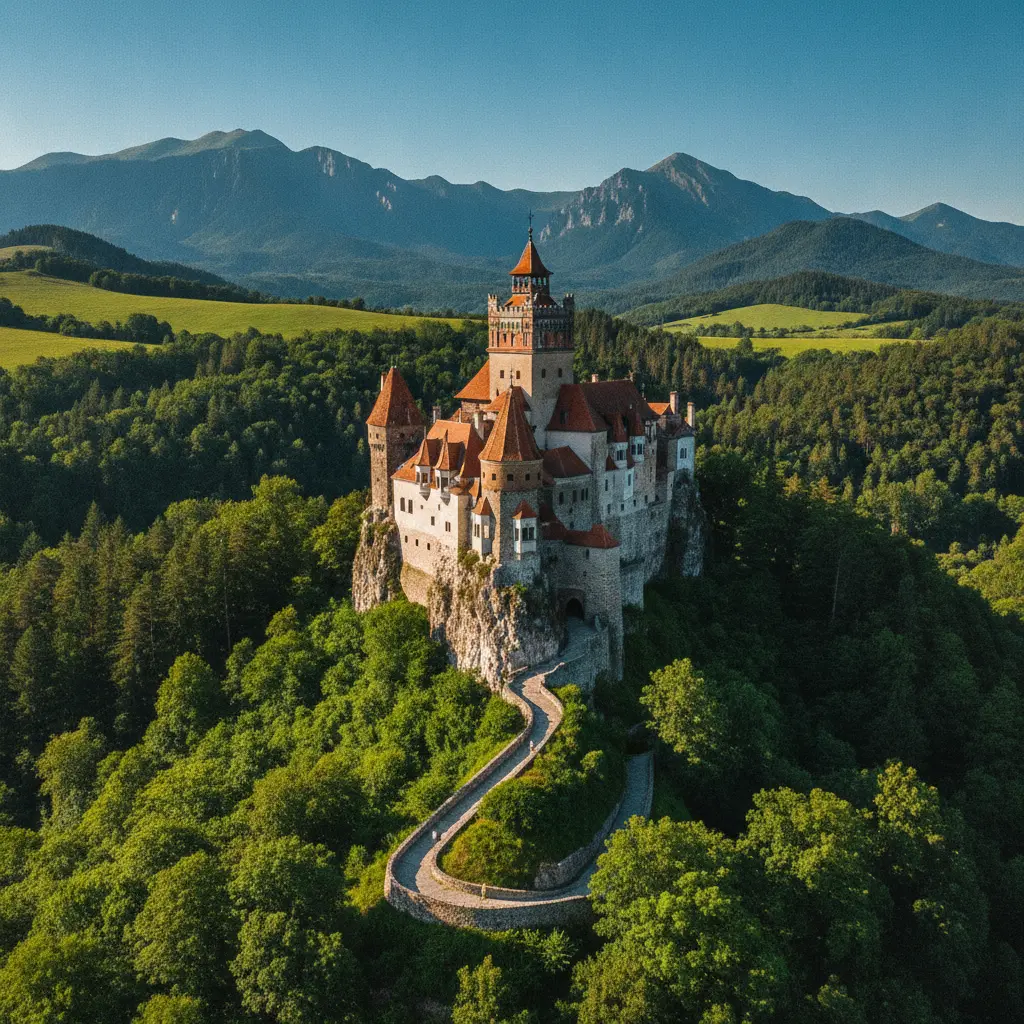
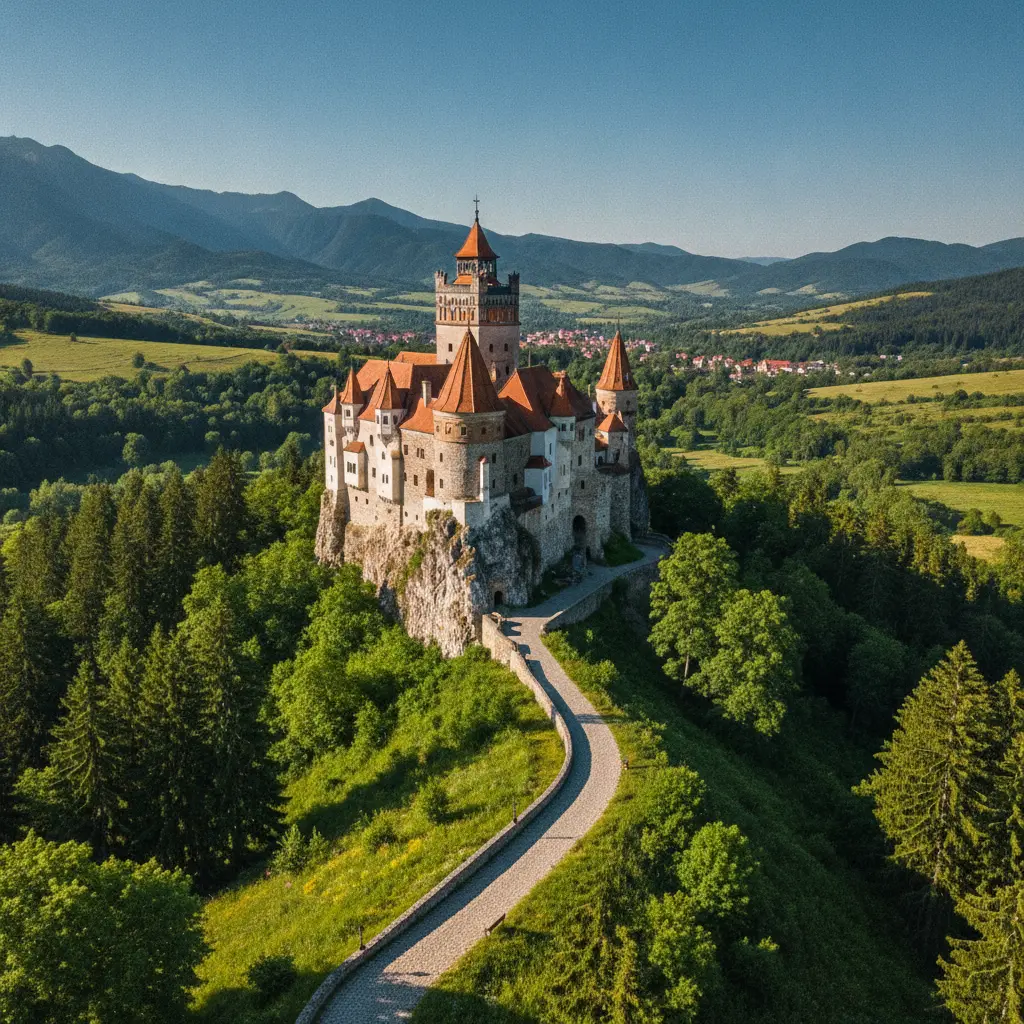
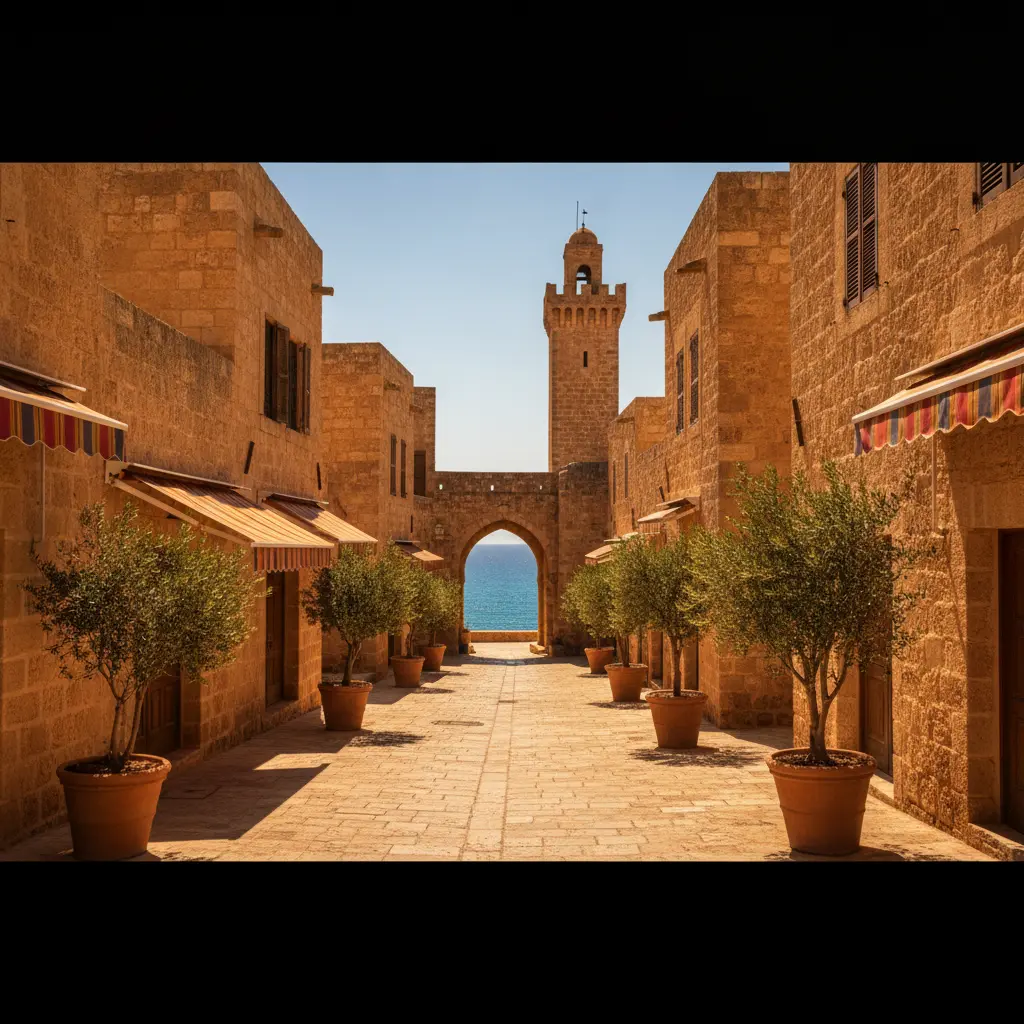
Suggested image alt text: (1) Baku’s Old City walls and Maiden Tower, (2) the stone lanes around Baščaršija in Sarajevo, (3) the courtyards of the Alcázar in Seville, (4) clear water on the Red Sea coast.
The November Weather Logic: Which Route Works in Which Climate
November is a second spring across the Mediterranean basin and the first warning of winter further north. Choosing a route without accounting for that split is how families end up overpacking, under-planning and spending three days indoors. The ranges below are averages, not forecasts; check a reliable weather service three to four days before departure.
Five routes, realistic conditions
- Baku: roughly 13-17°C by day, cooler after dark, with a noticeable Caspian breeze. Layering is the answer.
- The Balkans: 8-15°C by day and a high number of wet days. That is not a reason to skip it, it is a planning input.
- Andalusia, Spain: 18-22°C in Seville and Córdoba with plenty of sunshine. Finding this in November in Europe is a genuine advantage.
- Georgia: 10-16°C in Tbilisi with cool evenings; Batumi is distinctly wetter.
- Egypt (Red Sea): 26-29°C air and around 24-25°C water. For families who want the sea, November is the most balanced month of the year.
Crowds and prices: Turkey’s holiday meets Europe’s low season
European schools are in session in November, which means the Turkish school break lands squarely inside Europe’s low season. The upside is significant: shorter museum queues, easier restaurant tables and hotel rates that stay reasonable. With children, that difference compounds. A child who waits 40 minutes in a ticket line is a child who is done for the day; a child who walks straight in still has energy for the afternoon.
Why flight time is a budget line, not a detail
A three-hour flight means breakfast at the hotel the next morning. An eleven-hour flight means your first day is the journey and your second day is recovery. On a five-day trip with children aged six to eight, spending a full day in transit costs you a fifth of the holiday. In a short November window, flight time deserves as much weight as the destination itself.
Five Questions to Answer Before You Pick a Route
- How many days do I really have, and how many are travel? In a nine-day window, two travel days leave seven. That instantly filters out long-haul options.
- If I started the visa process today, would it arrive in time? Schengen appointment availability is the single biggest bottleneck around school holidays. If the route needs a visa, the paperwork sets the schedule — not your preferred dates.
- What is my plan B if it is 12°C and raining? Routes without indoor alternatives become hard work with children.
- Is there one wow moment for the child? Fire Mountain in Baku, the pyramids in Egypt, a tile workshop in Spain, the cable car in Tbilisi. If you cannot describe that moment in one sentence, the route is weak.
- How much does food and sleep change? A picky eater and a disrupted bedtime are manageable on a short route and exhausting on a long one.
1. Baku: No Visa, Short Flight, Lowest Risk
Baku tops this list not because of how photogenic it is, but because of how simple it is. Turkish citizens can travel to Azerbaijan on a biometric ID card, which removes the visa queue and the passport anxiety entirely. The flight is short and the time difference barely registers. In a one-week school window, those three advantages outweigh almost everything else. Confirm current airline and entry requirements when you book, since rules do change.
What Baku feels like in November
November in Baku is neither peak-season crowded nor properly cold. Daytime walking is comfortable, evenings need a jacket, and the Caspian promenade can be windy. The walled Old City, by contrast, blocks the wind and becomes far more pleasant than it is in August. Rain is possible but not dominant; a light packable shell is enough.
A four-day structure that works
- Day 1: Icherisheher, the Maiden Tower and the Palace of the Shirvanshahs — a UNESCO-listed cluster that fills a day without rushing.
- Day 2: The Heydar Aliyev Center, Fountains Square and an evening walk along the boulevard.
- Day 3: Gobustan petroglyphs and mud volcanoes, returning via Yanar Dag and Ateshgah. This is the day children remember.
- Day 4: Local markets, carpet and craft shops, and a slow lunch before the flight home.
Practical notes with children
- The metro is fast and cheap, and the station architecture is an attraction in itself.
- The boulevard is wide, walkable and stroller-friendly; the parks give younger children room to reset.
- Food is easy: rice dishes, kebabs and pastries suit cautious eaters.
- Days are short, so put outdoor plans in the morning.
A four-day Baku plan delivers a genuine abroad experience without consuming the entire break. Compare current departures by viewing the Baku tour on Turlago.
2. The Balkans: A Route That Plans Around the Rain
The Balkans are the most misunderstood option for a November break. Families see rain in the forecast and cancel; in practice, a well-built Balkan itinerary turns wet weather into a reason to step inside a bazaar, a museum or a coffee house. Add visa-free entry to Bosnia and Herzegovina, Serbia, Montenegro, North Macedonia and Albania for Turkish passport holders, and the paperwork argument disappears.
Which route, how many days?
- Classic loop (5-6 days): Sarajevo, Mostar, Belgrade. City-heavy, which is exactly what you want when it rains.
- Southern line (6-7 days): Skopje, Ohrid, Tirana. Lake Ohrid is quiet and photogenic in November; Tirana adds urban energy.
- Short escape (4 days): Sarajevo and Mostar only. Two cities and one flight is the least tiring combination with children.
November realities
Sarajevo averages around 10-13°C by day, dropping to about 5°C in the evening. Mostar is milder, and the Neretva riverside is pleasant in the afternoon. Rain tends to arrive in short, heavy bursts rather than all-day drizzle, which is why hour-by-hour itineraries fail and “if it rains we go here” planning works. The strength of this region is density: every city has enough indoor options that a washed-out morning costs you nothing.
Borders and transport
- Multi-country coach routes can involve border queues; check that your itinerary builds in realistic buffer time.
- Mountain passes can be affected by early winter conditions, so choose a programme with a known alternative route.
- For families, single-base accommodation beats repacking every morning by a wide margin.
November departures in the Balkans are usually quieter and better value. To compare programmes, view Balkan tour packages on Turlago.
3. Spain: November Still Has Sun
If your priority is sunshine in Europe in November, Andalusia is the most reliable answer. Hitting 22°C in Seville in the afternoon is entirely normal, and walking the Alhambra in Granada without a coat is realistic. With children, that changes everything: no layering battles, no hunting for shelter, no abandoning a plan halfway through because everyone is cold and wet.
Andalusia or Barcelona?
With one week rather than two, you have to choose. Andalusia is culture and architecture; Barcelona is urban life, design and seaside walks. In November, Andalusia wins clearly on weather reliability — Barcelona sees more wet days — and it also runs at a calmer pace, which suits families better.
City by city in November
- Seville: 18-22°C. The Alcázar, the cathedral and Triana are all walkable.
- Granada: 15-19°C. Book Alhambra tickets weeks ahead; November slots still sell out.
- Córdoba: 18-21°C. The Mezquita and the old town fit comfortably into one day.
- Madrid: 13-16°C. Strong museums and transport; with children, choose shorter visits over marathon gallery days.
The Schengen timing problem
The only real bottleneck on this route is the visa. Turkish citizens need a Schengen visa, and appointment availability tightens as the travel date approaches. The rule that works: book the visa appointment in the week the school dates are announced, and only then commit to flights. Children’s supporting documents — parental consent, school certificates — can add days to your file, so assemble them at the start rather than the end.
To see flights, hotels and transfers packaged together, view Spain tour options on Turlago.
4. Georgia: Combining Tbilisi and Batumi
Georgia has become one of the most popular short-haul routes for families: no visa, a short flight and reasonable costs. In November there is one decision that shapes the whole trip — whether to add Batumi. Tbilisi is mild and manageable; Batumi, under Black Sea influence, is considerably wetter.
Is three days enough in Tbilisi?
It is enough but tight. Four days let you cover the old town, the Abanotubani bath district and the cable car lines to Narikala and Mtatsminda without rushing. Dedicating one day to a nearby town such as Mtskheta balances out the city time. Children tend to love the cable cars, which makes Tbilisi unusually rewarding for a city break.
Should you add Batumi?
In November, Batumi only makes sense if the programme is flexible. The Botanical Garden is beautiful but hard work in the rain. For most families, four days based in Tbilisi with a Mtskheta day trip is the more realistic plan than a rushed coastal add-on. If you do want the Black Sea, choose a package that allows schedule changes.
Food and children
- Khachapuri and khinkali are an easy entry point for cautious eaters.
- Tbilisi has a strong café culture, so snack and rest stops are never far away.
- Watch for uneven pavements and stray animals; keep evening walks to main streets with small children.
For a short-flight, visa-free, budget-friendly option, view Georgia tour programmes on Turlago.
5. Egypt: Sea and Ancient Cities in the Same Week
If your definition of a holiday requires warm water, Egypt is the most balanced option for this break. On the Red Sea coast the air sits at 26-29°C and the water around 24-25°C, which means children can stay in the sea for hours. Add two days in Cairo and the same trip delivers both a beach week and the pyramids.
The Cairo plus Red Sea combination
- Two days in Cairo: the pyramids, the Egyptian Museum and the Nile Corniche. With children, keep museum time short and focus on one section.
- Four days on the Red Sea: Sharm El Sheikh or Hurghada. A boat trip and the shallow bays work well for families.
- Six to seven days total: even with two travel days inside a nine-day window, the pace stays comfortable.
Egypt with children: what to watch
- The afternoon sun is intense; schedule outdoor sightseeing for the morning and rest at midday.
- Bottled water only, and take it easy with raw vegetables and salads for the first couple of days.
- Arrange transport to the pyramid sites in advance; walking there in the middle of the day is exhausting.
- A visa is required — complete the e-visa application a few weeks ahead and confirm current rules before departure.
For families who want warm sea and culture in one package, view Egypt tour options on Turlago.
The Booking Timeline: What to Do, and When
- Before the calendar is published (summer): check passport validity, review visa appointment systems for the routes you are considering, and settle your budget range.
- The week the dates are announced: book the visa appointment if needed, and start looking at flexible flight fares.
- Two to three months out: confirm the tour package or hotel. November is low season for hotels, but the school break week is the exception.
- Six to eight weeks out: secure museum and monument tickets (critical for places like the Alhambra), plus transfers and airport services.
- Three weeks out: travel insurance, a children’s medication list and a clothing plan.
- One week out: airline baggage rules, online check-in, a weather check and a written plan B.
Building the Budget by Line Item
On a November break, total cost is driven less by the destination than by how the budget splits. A rough frame: transport, accommodation, daily spending, and visas plus insurance. Quoting exact figures would be misleading — exchange rates and seasonal conditions move too fast — but this balance usually holds.
- Transport: the most volatile line. Date flexibility converts directly into savings here.
- Accommodation: a larger room in a well-connected neighbourhood beats a small central room for families.
- Daily spending: food and attraction tickets. Package tours make this line far more predictable.
- Visa and insurance: small items that become expensive when skipped. Do not travel without insurance.
A Practical Checklist for Families
- Are all passports valid for at least six months?
- Is the visa application submitted and approved where required?
- Do the children need consent letters or extra documents?
- Do the flight times fit your child’s sleep routine?
- Is the airport transfer arranged in advance?
- Does the hotel offer a family room and breakfast?
- Does each day include at least one rest block?
- Do you need a stroller, and what are the airline rules for it?
- Are regular medications and a small first-aid kit packed?
- Are layered clothing, a rain shell and comfortable shoes on the list?
- Does your child’s own bag have water, snacks and something to do?
- Does the insurance policy cover the children too?
Six Planning Mistakes That Cost Families Money
- Buying a non-refundable flight before the school calendar is confirmed.
- Treating the visa as an afterthought; the order should be the reverse.
- Trying to fit an eleven-hour flight into a nine-day window.
- Building an itinerary in a rainy city with no indoor fallback.
- Changing city every day at a pace no child can sustain.
- Assuming November means the same weather everywhere — 21°C in Andalusia and 10°C in Sarajevo can happen in the same week.
Conclusion: Decide With One Question
Put the five routes side by side and the decision reduces to a single question: what do you want your child to remember from this break? If the answer is history, architecture and city rhythm, Spain and the Balkans lead. If it is low risk, a short flight and simple logistics, Baku and Georgia are close to ideal. If a holiday without warm sea does not count as a holiday, Egypt is the only realistic choice.
Whichever route you pick, two rules hold. Keep the dates flexible, and set the visa timeline before you set the holiday timeline. Those two steps will protect most of your budget and nearly all of your patience while planning a November school break tour in 2026. To keep comparing, view Balkan tour packages on Turlago or view Spain tour options on Turlago — checking live dates and availability is the fastest way to turn a shortlist into a booking.