Varna–Bucharest–Transylvania Bus Tour: Best Time to Go
Most people planning a Balkan bus tour ask the wrong question first. They ask which cities are included, how many nights in each hotel, whether Dracula's castle is really worth it. All fair — but the answer that decides whether the trip feels generous or rushed is a calendar answer. Four days, three nights, two countries and roughly 1,500 kilometres of road means there is almost no slack in the schedule. Weather does not just change the view; on a loop this tight, it changes how much of the itinerary you actually get to experience. See the Varna–Bucharest–Transylvania Fairy-Tale Tour on Turlago for the day-by-day structure, and use this guide to decide which week of the year that structure works best for you.
If you want the short version: late May to mid-June and the whole of September are the sweet spots. Mid-July to mid-August is for travellers who specifically want the Black Sea warm. Early October is for photographers and anyone who prefers empty castle courtyards. April and early November are for budget-led travellers who can live with shorter daylight. Everything below explains the trade-offs behind those four sentences.
Why timing beats itinerary on a four-day loop
On a seven-day European coach tour, a washed-out day is an inconvenience — you lose a museum, you gain a long lunch. On a four-day programme the same rain removes a city. You spend fifteen minutes instead of forty in the courtyard at Bran, you skip the coastal promenade in Varna, you shelter in the coach instead of walking through a Bucharest park. The margin for error is simply thinner.
Second, this is a culture route, not a resort package. Its value sits in castles, churches, squares and streets you explore on foot. The temperature band in which walking is genuinely pleasant is narrow: below 12 °C you are cold, above 30 °C you are tired. In Transylvania that band exists roughly from May to September. In Varna it exists almost all year. Getting both halves of the trip inside the band during the same week is the real puzzle.
Third — and this is the part most travellers ignore — a coach tour is a collective movement. Departure times, rest stops and photo pauses are fixed. In good weather that discipline gives you three towns in a day. In bad weather the same discipline feels like standing in a wet square counting down twenty minutes. Choosing the season is not about comfort. It is about return on the miles.
What the four days actually look like
It helps to be concrete before talking about months. The shape of a typical Istanbul-departure programme runs like this:
- Day 1: Morning departure from Istanbul, the Turkish–Bulgarian border crossing, a long drive northeast through Bulgaria, arrival in Varna and the first night.
- Day 2: Varna city time — the cathedral, the Roman baths area, the Sea Garden — then transfer north to Bucharest, crossing the Danube, evening in the Romanian capital.
- Day 3: Bucharest out to Transylvania: the Sinaia area around Peleș, Bran Castle, the historic centre of Brașov.
- Day 4: The return leg, a second border crossing, arrival back in Istanbul.
Which hotel sits in which city varies by operator. Some programmes give you two nights in Brașov; others place a night in Bucharest. That detail matters more than it sounds. Two nights in Brașov is a bigger bet in the winter months, when snow in the Carpathian foothills is a genuine possibility; a night in Bucharest is much easier to absorb in bad weather. Read the accommodation breakdown on the listing before you pick a date, not after.
Driving legs and the rhythm of rest stops
Rough distances: Istanbul to Varna is around 480 km, Varna to Bucharest around 280 km, Bucharest to Brașov around 170 km, Brașov to Bran about 30 km. Add border formalities and legally required rest breaks and the first day is essentially a driving day. That leads to a seasonal insight people rarely plan for: the longer the driving day, the more exposed it is to weather. In winter, day one can be eaten by snow, fog and border queues. In summer, the same day stretches for a different reason — traffic and a busy frontier.
Photo note: suggested alt text for the first coastal view — “Black Sea coastline coming into view from the coach on the approach to Varna”.
Spring (April–May): empty Transylvania, undecided skies
Late April and May are the most underrated weeks on this route. Brașov's Council Square is not yet crowded, there is no queue at Bran, and Varna hotel rates are still at pre-season levels. The Carpathian foothills are green, orchards are in blossom, and the light is soft enough that even phone photos look considered. For anyone who dislikes crowds, this is the roomiest version of the trip.
What you pay for it is weather volatility. You can have 10 °C and drizzle in Brașov on a Tuesday and 24 °C and sunshine on Thursday. Swimming in Varna is not realistic — the water is still cool and the beaches are largely empty. So in spring you are visiting Varna for the city, not the sea: the promenade, the Sea Garden, the café culture, the cathedral.
Watch the calendar, too. Public holidays in Turkey in this window — 1 May and 19 May especially — fill coach departures fast and push prices up. The two weeks between mid-April and early May, and again in late May, tend to hold the calmest and cheapest departures of the whole spring.
Summer (June–August): the sea opens, the roads fill
For the first time all year, both halves of the route say yes in the same week. Varna's beach season generally opens around mid-June; by July and August the water is properly warm and the Golden Sands strip is in full swing. Meanwhile in Transylvania daytime temperatures sit in the mid-to-high twenties and evenings are cool without being cold — close to ideal for walking around castles and old towns.
The cost is crowds and price. July and August are peak domestic holiday season in both Bulgaria and Romania, so the Varna coast and central Brașov fill with local travellers. Coach departures reach their highest demand, border queues lengthen, and by midday the car parks around Bran and Peleș become a negotiation.
Two practical notes. First, summer is also thunderstorm season in the Carpathians. These are usually short and rarely destroy a programme, but it helps to keep some flexibility around outdoor stops. Second, the sun does not set until around 21:00, which is a genuine gift on a coach tour: it means you can still walk a city on your own after the group dinner and see it properly.
Autumn (September–October): the best-looking version of the route
September is the month I would recommend first. The Black Sea is still warm enough for a swim in Varna but the beach crowds have thinned; Transylvania is mild by day and cool by night. Prices have come off their summer peak and availability improves. It is the highest chance you have of getting both the sea and the castles at their best in a single four-day loop.
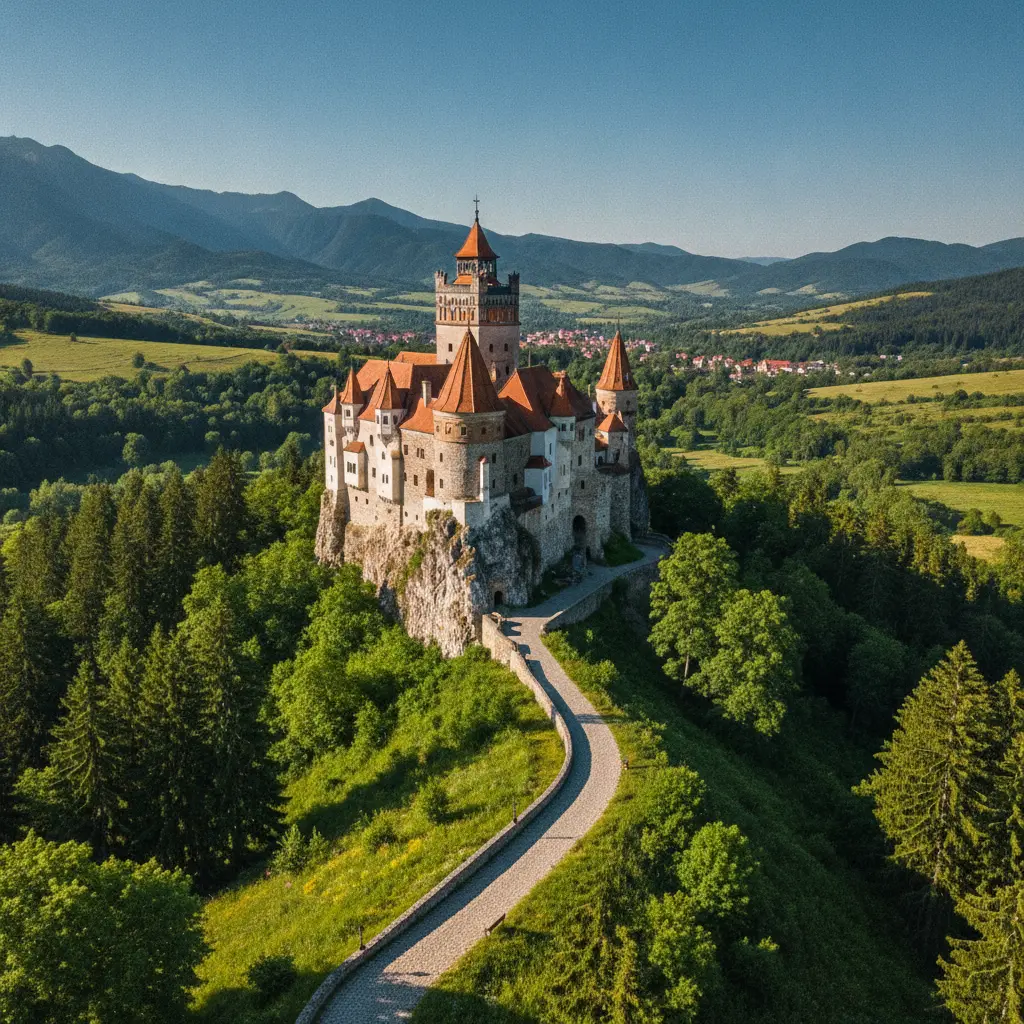
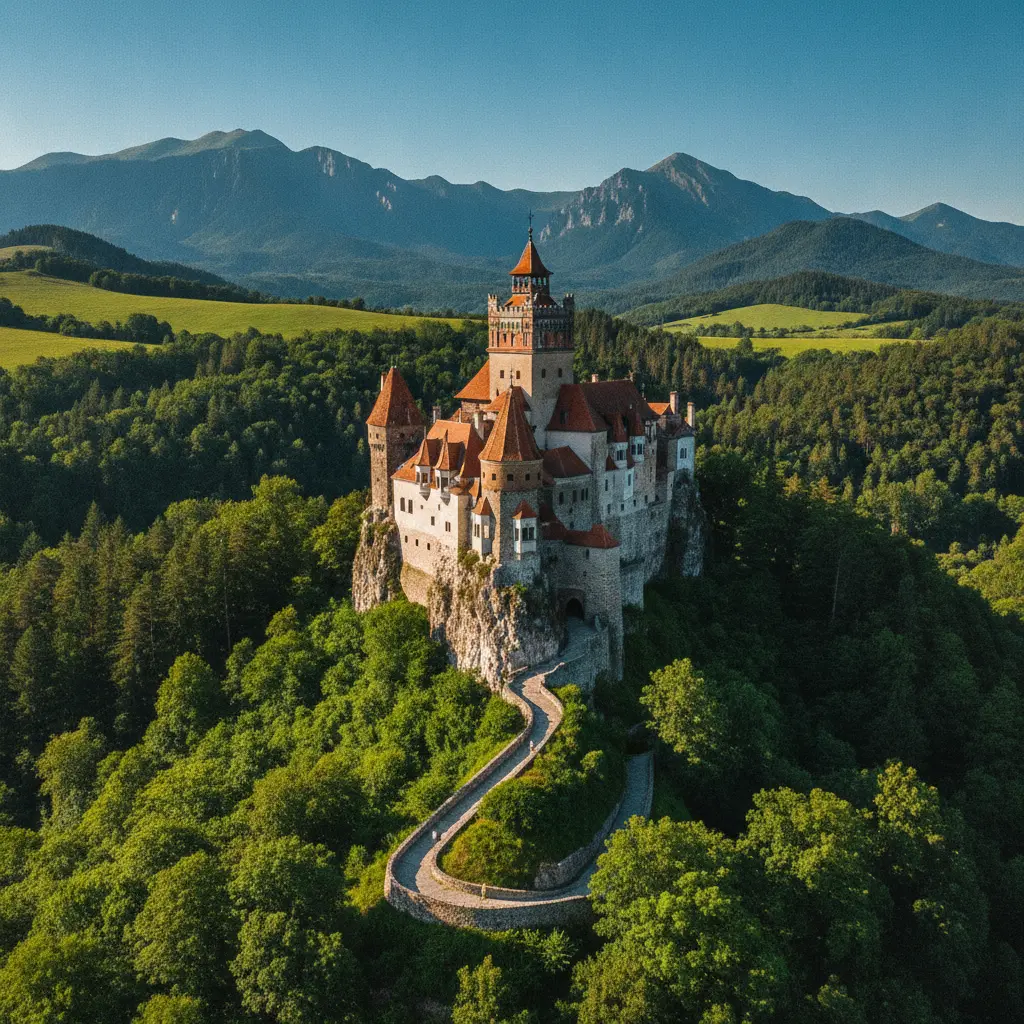
October plays a different game altogether. Autumn colour in the Carpathian foothills typically peaks from late September into late October, and the hills around Brașov turn copper and gold. Bran Castle's famous silhouette against those colours is a different photograph entirely from the summer postcard. But from mid-October the air cools quickly, rain becomes more frequent, and Varna's swimming season is over. Early October and late October are almost two separate seasons.
There is one more argument for October: once the long-weekend and holiday rush is over, finding seats on a coach departure gets much easier. If you are planning in autumn, aim for the first ten days of the month rather than the last ten.
Winter (November–March): fairy tale or closed doors?
The honest answer is both. When it snows, Brașov and Bran genuinely look like illustrations: red roofs under white, narrow streets gone quiet, castle courtyards almost empty. People who travel in winter tend to come back with the strongest stories, and there is a reason for that.
But winter carries three concrete risks. The first is the road: snow and ice on the Carpathian crossings slow coaches down and can push the programme later into the evening. The second is darkness: between November and February, daylight ends around 16:30–17:00, which means you see cities largely after sunset and museums and castles run shorter hours. The third is maintenance closures: some palaces and museums close partially or fully in the low season. The Peleș area at Sinaia is the one to watch here — interior visits are known to be restricted during November maintenance periods. Confirm the exact situation in the programme text before booking, and be aware that “area tour” and “interior visit” are not the same promise.
The New Year period is its own category. Christmas markets and celebrations in Bucharest and Brașov are genuinely attractive, but coach departures around New Year carry the highest prices and the fastest-selling seats of the year. Early November is the exact opposite: lowest season, quietest programme, shortest daylight.
Month-by-month quick verdict
- April: Low price, low crowds, changeable weather. No swimming; the city is the point.
- May: Greenest version of the route. Avoid the 1 May and 19 May weeks.
- June: Sea season opening, crowds not yet at full strength. Well balanced.
- July: Varna in full swing, high prices, busy borders.
- August: Hottest and busiest. Book well ahead.
- September: Best all-round month for both sea and castles. First choice.
- October: Ideal for foliage and photography — but stay in the first half.
- November: Quietest and cheapest; short days, some sites may be closed.
- December–February: Strong snow scenery, real road risk and very short days.
- March: Coming out of winter; unsettled weather, still reasonable prices.
Varna: are you going for the sea or for the city?
Settling this question solves most of the date decision on its own. Varna behaves like two different places. From mid-June to early September it is a beach city of sand, seafront bars and the Golden Sands resort strip. From October to May it is a port city of cathedrals, Roman remains, the Sea Garden and café culture.
On a four-day coach tour, your time in Varna is usually one afternoon and one evening. That is not enough for a beach day under any circumstances — do not build the trip around swimming. Which means the Varna sea season should not be the variable that decides your date. For walking the centre, the Sea Garden and the coastal promenade, any month between May and October works perfectly well.
The one exception: if the sea is genuinely the priority, treat it as a separate Bulgaria trip rather than trying to convert this loop into a beach holiday. On this route, Varna is a bonus stop. Transylvania is the headline.
Bucharest: the all-weather anchor
Bucharest is the most predictable stop on the itinerary. It has a continental climate without extremes: snow rarely stays on the ground for long in winter, and although summers are hot, humidity is lower than on the coast. In practice the capital acts as the buffer that keeps the programme intact whatever the season throws at you.
Two seasonal notes. In July and August the city centre can be genuinely hot at midday, so shift your walking to shaded boulevards and the parks. And in the second half of December the city lights up with Christmas markets and decorations — the daylight is short, but if you want Bucharest at its most photogenic, those are the weeks.
Photo note: suggested alt text for the capital — “Historic buildings and tree-lined boulevards along a wide Bucharest avenue”.
Castle calendars: Bran, Peleș and Brașov
The visual promise of this route rests largely on three sites, and each behaves differently through the year.
Bran Castle
Open year-round, but hours expand and contract with the season. Winter means earlier closing and far fewer visitors; summer means a serious queue by late morning. The interior is narrow corridors and staircases, so the difference between a crowded August afternoon and a calm September morning is not marginal — it is the difference between shuffling and actually looking. Where you have a choice, pick departures that reach the castle early in the day.
Peleș area (Sinaia)
Weekday versus weekend matters here, as do seasonal maintenance periods. The general pattern is that interior access can be restricted during November maintenance, so if your departure falls in that month, read carefully how the programme describes this stop.
Brașov
The city works in every season — the Black Church and Council Square are year-round propositions, snowy in winter, café-filled in summer. The cable car up Tâmpa can suspend operations in wind, so build in a little tolerance on blustery days.
Border crossings: the most concrete seasonal effect
On a Balkan coach tour, the least predictable part is not the cities. It is the frontiers. On the Turkish–Bulgarian line, Kapıkule is the busiest gate on this route, and in summer and around public holidays the wait can run into hours. The Bulgaria–Romania crossing uses the Danube bridge corridors.
One important update: with Bulgaria and Romania's progress through the Schengen process, land border checks have been substantially eased — but identity checks and customs inspections on coaches can still happen. Rules and practice change, so verify the current situation before your travel date. Entry requirements also differ by nationality, and this is where the real bottleneck sits: paperwork, not flight availability, is what determines how far ahead you need to plan.
Winter adds another layer: snow tyre and chain requirements, road closures, reduced coach speeds. All of that directly affects arrival times. If you are booking a winter departure, leaving a buffer day after your return date is a realistic precaution rather than an overcautious one.
The price curve, without the guesswork
Three variables drive the price of this tour: date, hotel cities and remaining capacity. Summer and New Year sit at peak demand; April and November sit at the bottom. Because religious holidays shift roughly eleven days earlier each year, last year's timing is a poor guide — check the calendar fresh every year rather than assuming the same week will be cheap.
Two rules work well for budget-led travellers. First, avoid weekend departures where you can; midweek starts are usually better value. Second, look at the shoulder weeks — late May and late September — where the weather is still good but the price has already come down. For exact fares and availability, rely on the live information on the listing page rather than on any general figure.
Three traveller profiles, three answers
- If you want to walk castles and old towns: late May, early June or September. Mild temperatures, long daylight, manageable crowds.
- If you are travelling for photographs: early October for autumn colour, or May for green and blossom. In both cases, aim to reach the castles early in the morning.
- If budget leads: mid-April and the first half of November. Less capacity pressure and lower prices, in exchange for shorter days and less settled weather.
Travelling with family, June and September are the safest bets: neither too hot nor too cold, long daylight, and a programme that runs to schedule. With children in the group, the timing of rest stops and lunches often matters more than the weather does.
How far ahead should you book?
For ordinary dates, three to six weeks out is a comfortable window. For public holidays, long weekends and New Year, start looking two to three months ahead — coach capacity is finite, so the last-minute bargain pattern you see with flights does not really apply. Whatever is left at the end tends to be the least desirable seats paired with the least convenient hotel allocation.
The truly critical lead time, though, is documentation: passport validity, any visa appointment, and departure fees, none of which are included in the tour price. Those can take weeks. So the real question is not when to book the tour, but when you can complete the paperwork. With documents ready, three weeks is enough; without them, three months might not be.
Packing by season
You can experience two climates in one day on this route, so layering is not optional. Short lists:
- April–May and September–October: a light jacket or waterproof windbreaker, rain-friendly shoes, a thin sweatshirt, an umbrella, and one extra layer for evenings.
- June–August: light cotton and linen, a hat, sunglasses, high-factor sunscreen and comfortable walking shoes. Add a thin cardigan for coach air conditioning.
- November–March: thermal base layers, waterproof boots with proper grip, gloves, hat and a warm coat. Castle floors and staircases are cold stone.
Three items that work in every season: a power bank (onboard sockets are not guaranteed), small change for rest stops, and something to help you sleep on the long driving days. Comfort on the road translates directly into how much you enjoy the destinations.
Bottom line: there is no best month, only a best match
What turns this loop into a fairy tale is not only the castles themselves but the light and the quiet you see them in. Standing alone in Bran's courtyard while snow falls is one version. Watching Brașov's square wake up over coffee on a September morning is another. Decide which of those you are actually chasing, then set the calendar around it.
For balance, choose September. For photography, choose early October. For value, choose April. To see how the days are actually sequenced, which city gets which night and what is currently available, view the Varna–Bucharest–Transylvania Fairy-Tale Tour on Turlago and match the date to the itinerary rather than the other way round. The right month on this trip is a function of your expectations far more than of the forecast.