Dubai Tour 2026: Best Time to Visit, Budget & Planning Guide
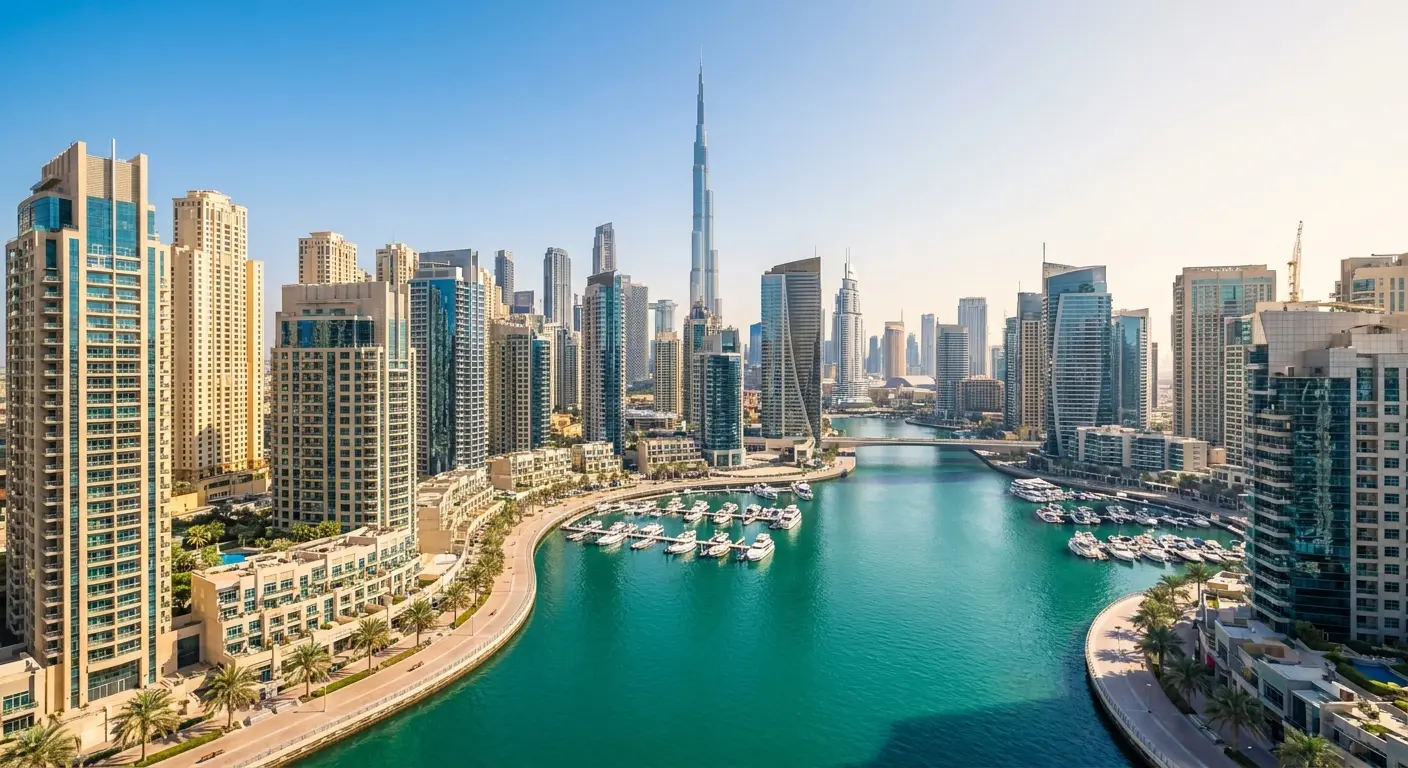
In Dubai, the Week You Pick Matters More Than the Hotel
Most people plan a Dubai trip backwards. They choose a hotel, collect a list of attractions, and pick dates last. In Dubai that order guarantees you pay too much or arrive at the wrong time. The same beachfront resort that costs a small fortune in January can cost half as much in July. The same desert safari that feels unforgettable in December becomes genuinely unpleasant at midday in August. This guide treats 2026 as a calendar problem first and a destination second: which months deliver what, how flights and visas shift around them, and how your budget changes depending on the season you choose.
If you would rather start from ready-made itineraries and compare dates side by side, you can view Dubai Tour 2026 packages on Turlago, then use the seasonal logic below to decide when to actually travel.
Dubai Has Two Cities Living Inside One Year
From late April to mid-October, Dubai enters a heat band that shuts down almost every outdoor plan. Daytime temperatures sit between 38 and 45°C, and humidity along the coast can climb past 80 percent. The city moves indoors: malls, indoor theme parks, air-conditioned restaurants and late-night outings. From November through late March, the same city becomes one of the most comfortable major metropolises on earth, with 20 to 30°C days, cool evenings and ideal conditions for anything that happens outside.
So there is no absolutely good or bad season in Dubai. There are two axes: expensive versus cheap, and outdoor versus indoor. Build your 2026 plan around those two axes and the same budget buys you a noticeably better trip.
Season by Season: What Each Window Actually Delivers
November to March: The Comfort Window
This is peak season in every sense. Days run 22 to 30°C and evenings drop to 15 to 20°C. Desert safaris, beach days, abra rides across Dubai Creek, Miracle Garden and Global Village all operate at full capacity. The city spills outdoors.
The trade-off is price and crowds. Around New Year and the Dubai Shopping Festival, which usually runs from mid-December into late January, hotel rates hit their annual peak and popular restaurants fill weeks in advance. The smart move is to target the edges of this window, such as early November or late March, where you get the weather without the premium.
April to May and September to October: The Best Value
Think of these as shoulder seasons. In April, temperatures climb into the 30 to 35°C range but humidity is not yet punishing, so morning and evening outdoor plans still work comfortably. In October, the summer heat starts to break, the sea is still warm, and hotel rates sit well below peak-season levels.
If your goal is to avoid crowds and spend efficiently, early April and late October are the most balanced choices for 2026. Flights tend to be more reasonably priced on these dates too.
June to August: Hot, Quiet and Cheap
In July and August, daytime temperatures pass 40°C and humidity can reach 80 to 90 percent. Ten minutes outside can be exhausting. But this window has two real advantages: hotel rates fall to their lowest point of the year, and the city empties out.
The winning strategy for summer is a split schedule: outdoor activity early in the morning, indoor attractions through the afternoon, and a late evening walk along the marina or waterfront after dinner. Travelers who can hold that rhythm get the cheapest possible version of Dubai.
Month by Month: Temperature, Crowds and Price at a Glance
- January: 19 to 24°C, peak crowds, rates still high after New Year
- February: 20 to 25°C, ideal weather, Ramadan may begin
- March: 22 to 29°C, the most comfortable month, packed events calendar
- April: 25 to 33°C, shoulder season, good value
- May: 29 to 37°C, heat rising, prices dropping
- June to August: 35 to 42°C, cheapest hotels, indoor-focused trips
- September: 33 to 39°C, still hot, low rates continue
- October: 28 to 35°C, transition month, prices climbing
- November: 24 to 30°C, high season opens
- December: 21 to 27°C, holiday period, highest rates of the year
Read that list as a trade-off curve rather than a ranking. In Dubai, comfort and budget almost never peak at the same moment, so decide early which one you are optimizing for.
2026 Dates to Put on Your Radar
Before locking in a travel date, check the religious and cultural calendar. In Dubai these periods change both pricing and the rhythm of daily life.
- Ramadan: Runs from roughly mid-February to mid-March. Many restaurants are closed during daylight hours and eating or drinking in public outdoor areas is restricted. Evenings, however, come alive with iftar gatherings, late shopping and special events. Hotel rates during Ramadan are generally moderate.
- Eid al-Fitr: Falls around late March. Expect a sudden spike in hotel demand and rates as families travel and take short breaks.
- Eid al-Adha: Falls around late May and creates a similar short, sharp surge in bookings.
- Dubai Shopping Festival: Usually mid-December through late January. Discounts are attractive, but accommodation is at its most expensive.
- Sport and culture events: Concentrated in March and April. Hotels around venues book out quickly during these weeks.
If your dates are flexible, Ramadan can be a deliberate choice rather than a compromise: quieter streets and better rates. Just be aware that nightlife, live music and many open-air dining venues scale back significantly.
Flights: Getting to Dubai in 2026
Direct flights from Istanbul to Dubai take roughly 4.5 to 5 hours. Multiple carriers serve the route from Turkey, which means plenty of availability and noticeably volatile pricing.
When to Book
On this route, the best fares usually appear eight to twelve weeks before departure. For peak periods such as New Year, the Eid holidays and school breaks, extend that to four or five months. In shoulder months like April and October, last-minute deals do appear, but building a plan around them is risky.
Direct or Connecting?
If time matters, take the direct flight. If budget matters, connecting options can sometimes be meaningfully cheaper, though ask yourself whether turning a 4.5-hour trip into a 9 or 10-hour journey is worth the saving. Unless you are deliberately adding a stopover, direct is usually the better decision.
Which Airport
Dubai has two major airports: Dubai International (DXB) and Al Maktoum (DWC). For access to the city center and the marina districts, DXB is almost always more practical. Always check which airport your ticket uses, because transfer times from DWC into the city can be substantially longer.
Visa and Entry: What to Check Before You Book
UAE visa policy depends on your nationality and is updated from time to time. For that reason, confirm your specific requirements with official sources or your airline at least three to four weeks before travel rather than relying on outdated forum posts.
The general framework looks like this:
- Tourist visa: Typically arranged with sponsorship from an airline, hotel or licensed agency. Options are commonly offered in 30-day or 60-day formats.
- Passport rules: Expect a passport valid for at least six months beyond your travel date, along with blank pages and possibly proof of onward travel.
- Processing time: During busy periods, applications can take several working days. Do not leave it to the last minute.
- Proof of accommodation: A hotel booking or host invitation may be requested at the application stage.
If you travel on a package, the visa process is usually handled as part of the booking. On independent trips you manage every step yourself, so build in extra buffer time.
Where to Stay: Neighborhood Choice Beats Star Rating
In Dubai, the price of a hotel room depends as much on the district as on the star rating. Choosing the right area can move you up a category without increasing your spend.
- Deira and Bur Dubai: The old city, souks and Dubai Creek. The most affordable options, with solid metro links. Lower comfort, higher character.
- Downtown and Business Bay: Walking distance to Burj Khalifa and Dubai Mall. Central but among the priciest districts.
- Dubai Marina and JBR: Beach, promenade and restaurant variety. Rates climb fast in high season.
- Palm Jumeirah: The luxury tier. Because the island has a single access route, plan for traffic when heading into the city.
- Al Barsha and Tecom: Metro access, mid-range pricing, close to Mall of the Emirates. Practical for families.
One practical tip: when a listing says sea view, verify it actually faces the water. In Dubai, plenty of rooms sold as city view look directly into a neighboring tower.
A Realistic 2026 Budget
The figures below are approximate daily ranges per person in UAE Dirhams (AED). Actual costs vary widely with season, district and how far ahead you book.
Budget Travel
- Accommodation: three-star hotel or a Deira boutique — 150 to 300 AED
- Food: local restaurants, shawarma, karak tea — 60 to 120 AED
- Transport: metro and abra — 15 to 30 AED
- Activities: free beaches, Creek walks, souks — 0 to 100 AED
Mid-Range
- Accommodation: four-star hotel in Marina or Business Bay — 400 to 800 AED
- Food: a mix of casual and one or two proper dinners — 150 to 300 AED
- Transport: taxis combined with metro — 60 to 120 AED
- Activities: Burj Khalifa, desert safari, dhow cruise — 200 to 400 AED
Luxury
- Accommodation: five-star hotel or a Palm resort — 1,200 AED and up
- Food: fine dining — 400 AED and up
- Transport: private car with driver — 400 to 800 AED
- Activities: helicopter tour, private boat, VIP safari — 800 AED and up
These numbers swing heavily with the season. A January stay can cost twice what the same room costs in July. When budgeting for 2026, answer the month question before the hotel question, because that is where most of the variance lives.
Which Season Suits Which Traveler?
Families
School calendars often force December, April or the summer months. April offers the best balance of weather and value. If you travel in summer, put theme parks and malls at the center of the itinerary and save outdoor plans for early morning or after dark.
Couples
Late November and March are the most enjoyable for evening walks, open-air dining and marina cruises. New Year looks romantic on paper but is crowded and expensive in practice.
Shoppers
The Dubai Shopping Festival window delivers the deepest discounts, but accommodation costs are at their highest. Summer sales offer a calmer shopping experience with cheaper rooms.
Business Travelers Combining Work and Leisure
November to March is the most productive window for both meetings and after-hours plans. Summer business travel is lighter and hotel rates drop, though outdoor downtime is limited.
What to Do in Each Season
November to March: Full Outdoor Schedule
- Desert safari at sunrise or sunset, dune bashing and camel rides
- Abra crossings and evening dhow cruises on Dubai Creek
- Jumeirah beaches, Kite Beach and La Mer
- Miracle Garden and Global Village, usually open November to April
- Marina and JBR promenade walks and bike rentals
April to May and September to October: Morning and Evening Windows
- Early morning city tours and photography walks
- Shopping and museum visits during the middle of the day
- Dinner and marina strolls in the evening
June to August: The Indoor Strategy
- Dubai Mall, the aquarium and the ice rink
- Museum of the Future and air-conditioned art galleries
- Water parks in the late afternoon and evening
- Ski Dubai, cinemas and shopping
- Late-night desert safari once temperatures drop
Ramadan in Dubai: Set Expectations Correctly
Dubai does not shut down during Ramadan, but its rhythm changes. During daylight hours, eating, drinking and smoking in public outdoor spaces are handled with sensitivity. Food courts in major malls and some venues in tourist areas continue to serve in screened or designated sections.
In the evening the city comes alive with iftar tables, shopping that runs late and special events. Because hotel rates are relatively moderate, Ramadan can be a good opportunity for travelers who value quiet and lower prices. Nightclubs and live music venues, however, are largely closed or operate at reduced capacity.
The days immediately after Ramadan bring a sharp surge in demand and rates, so if that week falls inside your travel window, plan it with a flexible budget.
Heat Survival Plan for the Hot Months
If you travel between June and August, structure the day like this:
- 06:30 to 10:00: Outdoor time, early tours, beach or walking
- 10:00 to 17:00: Indoors, museums, malls, shows
- 17:00 to 21:00: Second outdoor window, dinner, marina
- Hydration: At least three liters of water per day; heat exhaustion is a real risk
- Clothing: Light colors, breathable fabrics, loose cuts, hat and sunglasses
- Transport: Use air-conditioned metro and taxis; avoid long walks
Seven Planning Mistakes to Avoid
- Choosing dates last: Most of the price difference comes from timing, not from the hotel.
- Judging hotels purely by star rating: The district affects comfort and transport costs more than the rating does.
- Leaving the visa to the final week: Processing times stretch during busy periods.
- Building a summer itinerary around outdoor plans: Midday plans collapse between June and August.
- Ignoring Ramadan: Daytime dining and entertainment routines change noticeably.
- Underestimating distances: A Marina to Downtown trip can take far longer than the map suggests.
- Treating the budget as a single number: Accommodation, activities, food and transport each need their own estimate.
Practical Notes: Money, Transport, Culture and Connectivity
Money and Payments
The local currency is the UAE Dirham (AED). Card payments are widely accepted, though cash still helps in souks and with small vendors. Tipping is expected: five to ten percent in restaurants, and small amounts for taxi and hotel staff.
Getting Around
The Dubai Metro is clean, air-conditioned and inexpensive, using a stored-value card system. Taxis and ride-hailing apps are plentiful and safe. Distances between Marina and Downtown look short on a map but can stretch significantly in traffic, so staying near a metro line saves time.
Culture and Dress
Dubai is relatively relaxed, but malls and official buildings expect shoulders and knees covered. Swimwear belongs at the beach or hotel pool, not on the street. During Ramadan, these expectations tighten.
Internet and Communication
You can buy a tourist SIM at the airport or rely on hotel Wi-Fi. Some apps and video calling services may be restricted, so plan your communication accordingly.
Frequently Asked Questions
What is the best month to visit Dubai?
For overall balance, early November and late March come out on top. The weather is comfortable, crowds have not yet peaked and prices remain reasonable.
How many days do you need in Dubai?
First-time visitors can comfortably cover the city plus one desert safari in four to five days. Add Abu Dhabi or the indoor theme parks and a week makes more sense.
Is Dubai worth visiting in summer?
Yes, if you build the trip around indoor attractions and avoid long midday walks. For budget-focused travelers, summer is a genuine advantage.
Is Dubai expensive?
It sits close to the level of major Western metropolises. With the right district and the right month, however, your effective spend can differ dramatically.
Should I arrange the visa myself?
On a package tour, the process is usually handled by the operator. On independent trips you manage every step yourself, which means applying early.
Locking In Your 2026 Dubai Plan
A good Dubai trip starts with a good calendar decision. Once you know which season you want, flight prices, hotel rates and activity costs fall into place on their own. Choose November to March for a trip built around open-air experiences, or pick the summer months for a quieter, budget-friendly city break centered on indoor attractions. Either way, the traveler who plans early consistently gets more out of Dubai for less.
To compare packages, transfers and activities in one place, browse Dubai Tour 2026 options on Turlago and keep your dates flexible so you can take advantage of shoulder-season pricing.