When to Take a Costa Smeralda Mediterranean Cruise from Istanbul
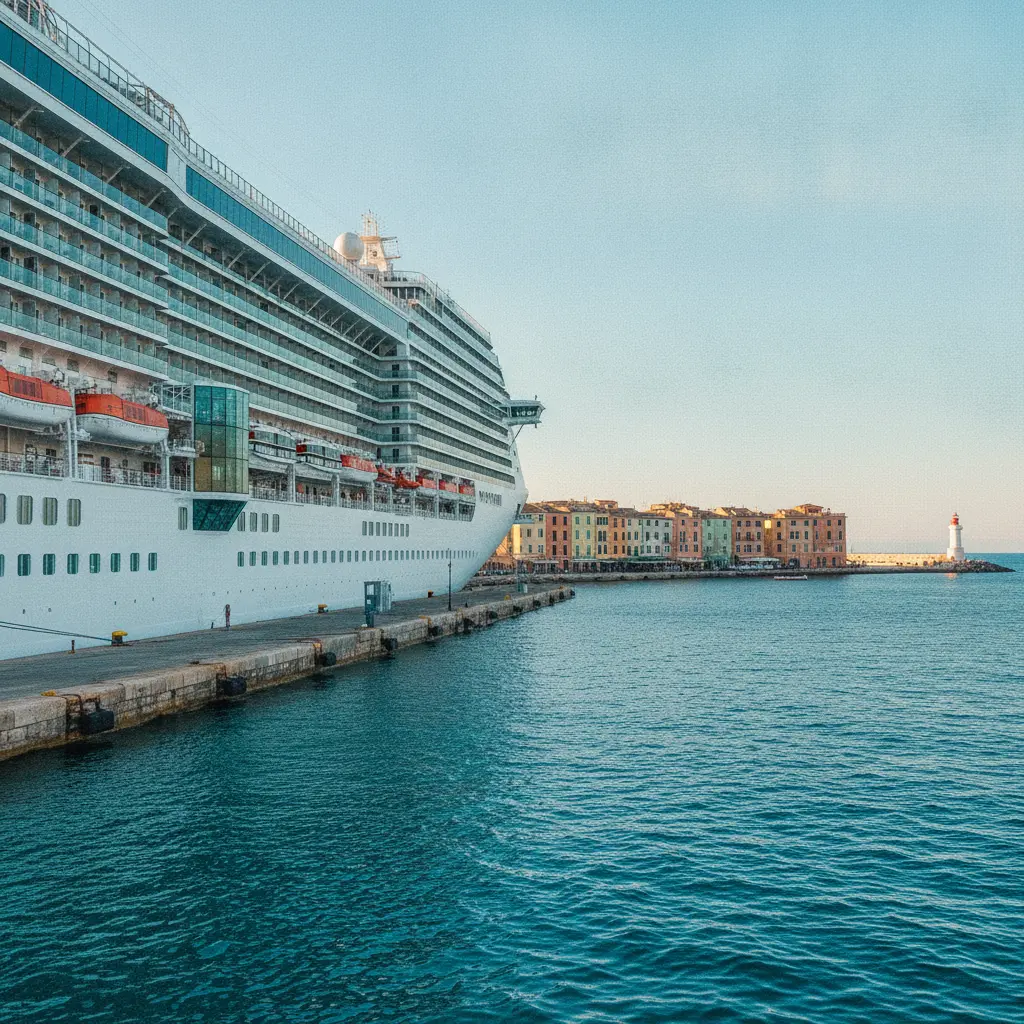
Most people planning a cruise start with the ship, then the cabin, then the ports. The calendar comes last. That ordering is backwards. On the Mediterranean, the same itinerary in two different months feels like two entirely different holidays. A seven-night Costa Smeralda sailing out of Istanbul makes this obvious: in April you get quiet harbours, uncrowded streets and a sea that is still deciding whether to warm up; in August you get thirty-plus degrees, packed squares and an energy that never quite settles. The ship, the food and the route stay the same. What changes is how that route actually feels to walk through.
This guide is not a ship review. It is a timing guide. You can check the current departure calendar for the seven-night Costa Smeralda Mediterranean cruise on Turlago, and the pages below explain what to look for once you are staring at that calendar. Throughout, I would suggest filtering every option through a single question: what matters most to you — the temperature, the crowd level, the price, or the number of usable daylight hours in port? Once that answer is clear, the month usually chooses itself.
Three variables that actually decide a Mediterranean season
Cruise seasons are not really organised by month names. They are organised by three forces that pull in different directions:
- Air and sea temperature: These two do not rise together. The sea lags behind the land by roughly six weeks. That means a June sailing can look perfect from the deck while the water still feels bracing, whereas September offers softer air over the warmest sea of the year.
- Port congestion: Five large ships can share the same harbour on the same day, and this has nothing to do with which ship you booked. It directly shapes how pleasant your walk ashore is. July and August are peak pressure in the popular Aegean and Adriatic ports; late May and September give you room to breathe.
- The price curve: Cruise fares are not a straight line. Dates that collide with school holidays and long weekends sit clearly higher, and the July-August band is the most expensive stretch of the year. The first and last departures of a season, by contrast, offer the same ship and the same service at a noticeably lower fare.
These three rarely point the same way. The best weather carries the highest price; the lowest price carries the highest weather risk. So the useful question is never which month is best in absolute terms, but which trade-off you can live with. The month map below is built around exactly that.
A month-by-month map of the season
The exact port list on this Istanbul departure varies by sailing date. The itinerary generally links Aegean islands, mainland Greece and ports along the Italian-Adriatic line, but you should confirm the specific list and ship details on the listing page rather than assume. The seasonal notes below describe the Mediterranean in general terms and hold true across that geography.
March and April: quiet, cool, underrated
These are the sailings for people who are genuinely tired of crowds. There are no queues at the ports, museums are calm, and the light is soft enough for photography all day. Two realities need accepting up front: the weather is genuinely variable, and you will want a proper layer for evenings on deck. If swimming is part of your plan, aim for late April. If you are happy with indoor pools and spa time, late March can still be a pleasure. The real advantage of this window is that the ship itself is calm too — no waiting for lifts, no need to reserve a table in the main dining room.
May: the most balanced month for most travellers
May is when almost everything on the Mediterranean behaves. Air temperatures sit comfortably in the low-to-mid twenties, the sun is strong without being punishing, and ports are becoming lively without becoming stressful. The sea becomes swimmable for the brave. Fares remain well below the midsummer band. If you like walking a city on foot, reading on deck in the afternoon, and eating dinner without being dependent on air conditioning, May is the safest bet on this itinerary. The only drawback is that some seasonal beach clubs and coastal restaurants may not yet be running at full capacity.
June: long days, high energy
June gives you the longest daylight of the year, and for a cruise this matters more than it sounds. The hours you spend in port may be identical on paper, but you can see far more of a city before the light goes. Late-afternoon departures, sunsets watched from the upper decks, and that golden moment as the ship pulls away from the quay — what June is really giving you is time. Heat is rising but has not yet reached the oppressive August level. Dates just before schools break up are still reasonably priced; by the end of the month the fare curve turns sharply upward.
July and August: hottest, busiest, most alive
This is peak season, and it comes with a bill. Port temperatures climb hard by midday, and walking the stone streets of an old town becomes genuinely tiring. The odds of sharing a harbour with several other ships are at their highest. In exchange, the ship is at its most lively: pools full, evening programming busy, kids' clubs running at capacity. Families, anyone travelling to a school calendar, and anyone who wants a genuinely animated shipboard atmosphere will find this window hard to avoid. The intelligent response is not to skip these months but to restructure the days: get ashore early and hand the afternoon back to the ship.
September: the warmest sea of the year
September is the month experienced cruisers quietly favour, and the reason is simple. The sea has spent the whole summer warming up, while the air has finally softened. Crowds thin out, ports relax, and fares come down. It offers the best temperature balance for cultural sightseeing. From mid-September onward, air temperatures fall while sea temperatures stay high, which means this is where you find the best compromise between deck and pool time and city walking. The one caveat is that rainfall probability rises towards the end of the month, and wind becomes noticeable on some routes.
October and November: opportunity or gamble?
October is a shoulder month with one of the strongest value-for-money profiles of the year. Cities are calm, museums are comfortable, and the ship is quieter. The weather is generally mild but now genuinely changeable — twenty-four degrees one day, sixteen the next. November is where the Mediterranean becomes less predictable: swell and rain probabilities rise clearly, which brings a real chance of missed ports or itinerary adjustments. If you are flexible by nature, take schedule changes in your stride and enjoy the ship as much as the destinations, October remains an excellent choice. If you need a fixed programme to feel comfortable, November is a risk.
Daylight and port hours: the variable nobody checks
The most overlooked detail in cruise planning is how long the ship actually stays in port — and when. You will not call at the same harbour at the same hours on two different dates, and as sunrise and sunset shift, that port window becomes a completely different experience. A day that runs from 08:00 to 14:00 is not remotely the same as a day that runs from 10:00 to 20:00 in terms of what you can realistically see.
A practical rule: when comparing dates, look at sunset times as well as temperatures. On early-season sailings it can be dark by 19:00, while in late June it stays light until 21:00. That directly affects everything from deck time after departure to whether an evening walk ashore is even possible. Likewise, if you prefer to be back on board before the midday heat, early-arrival itineraries are far more comfortable.
One more detail that catches people out: on port days, all-aboard is typically set well before departure, and that rule is not flexible. The usable time ashore is always shorter than the published call duration. Ignoring this is a particular problem in ports where the berth is far from the town centre and a transfer is required.
Why shoulder season usually wins on value
In tourism, shoulder season means the band immediately before and after peak — on the Mediterranean, typically May and late September into early October. It brings three concrete advantages:
- Service quality rises: On a less crowded ship, restaurant service is faster, sun loungers are easier to find, and guest services have more time for you. Same ship, different experience.
- Ports become walkable again: Compare a narrow old-town street at noon in August with the same street on a May morning. The difference shows up even in your photographs.
- Prices stay reasonable: Dates that avoid school holidays make the same itinerary noticeably more accessible.
The one real cost of shoulder season is uncertainty. A rainy day in early May is not impossible, and in mid-October a port can be skipped due to swell. If you can accept that risk, shoulder season is almost always the smarter choice. If you cannot, the July-August band is your honest answer.
Route seasonality: Aegean legs and Adriatic legs behave differently
An Istanbul departure that combines the Aegean with the Adriatic is really two climates stitched into one itinerary.
In the Aegean, wind is the deciding factor. In midsummer the meltemi is a welcome cooling breeze. At the edges of the season it can affect tender operations — and on islands where you go ashore by tender boat rather than pier, wind can occasionally prevent landings altogether, something you see more often outside peak season.
The Adriatic is calmer on the water but has a different rainfall pattern. In early autumn this stretch can meet sudden showers. In summer, by contrast, Adriatic ports tend to run a few degrees cooler and more controlled than the Aegean. In other words, choosing a single date means weighing two climate zones at once — which is exactly why confirming the actual route on the listing page matters before you commit.
Flying in: Pegasus connections and Istanbul embarkation
The "Pegasus" in the package name signals that the flight leg is arranged with that airline. The critical point here is the buffer between your flight and the ship's departure. Cruise ships do not wait. A delayed flight means a missed sailing, full stop. If you are arriving the same day, allow a realistic margin for transfers and check-in rather than an optimistic one.
Luggage deserves the same attention. Cruise luggage and airline luggage are not the same problem. Confirm your checked allowance, cabin restrictions and — importantly — what you will wear on formal or smart-casual evenings, since most ships expect something a step above beachwear at dinner. If your suitcase does not make the flight, it does not make the ship either.
Who suits a seven-night onboard stay
Seven nights is the sweet spot of cruising: you are not repacking every second day, and you are not stuck on the same ship long enough to get restless. But it means different things to different travellers.
- Couples: The most flexible group. May or September gives you a balance of calm and atmosphere that is hard to beat.
- Families: July-August is effectively forced by the school calendar. In that window, move port excursions to the morning and leave the afternoon to the pool and onboard activities.
- Solo travellers: Shoulder season is more comfortable; shared spaces are less crowded, which makes conversation easier.
- Travellers who prioritise sightseeing over swimming: Late April and early October are when ports are at their most enjoyable.
Weather risk, seasickness and the possibility of changes
Honesty matters here: itinerary changes are normal, and cruise contracts reserve the right to make them. When a port is cancelled, the ship usually substitutes another port or a sea day. It is better to treat this as part of the format rather than a personal misfortune.
Seasickness is where season makes a measurable difference. The Mediterranean is generally calm in summer; during the transitional months, especially October and November, swell probability rises. If you are sensitive, choosing a large ship, booking a mid-ship cabin on a middle deck, and speaking to your doctor before you travel is the most reliable approach. A large, stable vessel such as Costa Smeralda has a clear advantage over smaller boats on this front.
When to book
Two different strategies work in cruising, and which one is right depends entirely on your dates:
- Book early: For July-August and any holiday week, this is close to the only sensible approach. Good cabins — balcony, mid-ship — sell out first, so availability rather than price becomes the constraint.
- Book late: This can work in flexible windows such as May and October. But if flights are bundled into the package, late booking becomes risky, because suitable seats may already be gone.
My practical suggestion: if your dates are flexible, target shoulder season. If they are not, book early. The ambiguous middle ground — waiting without a reason — usually produces the worst outcome of the three.
Packing by month
Cruise packing is different from ordinary holiday packing, because one suitcase has to cover city sightseeing, shipboard evenings and deck life at the same time.
- April-May: A light rain shell or windproof layer, clothing you can layer, and a thin cardigan for evenings. Decks get cool after dark.
- June: Light cotton, a wide-brimmed hat, sunglasses, and one smart-casual outfit for dinner.
- July-August: Breathable fabrics, a spare t-shirt, good walking shoes with soles that grip on stone. Needing two showers a day in the heat is a realistic expectation, not a complaint.
- September-October: Both summer and light-autumn pieces; a thin rain jacket and closed shoes should always be in the bag.
A sample port-day timetable
You cannot control when the ship calls, but you can build the day backwards from departure:
- Right after docking: Eat breakfast early and join the first tender or disembarkation group. Ports are cooler and calmer in the morning.
- First three hours: Put the walking-heavy part here — museum, fortress, historic centre.
- Midday: Return to the ship, or eat somewhere shaded ashore. Walking in the midday heat is not worth any amount of architecture.
- Afternoon: Deck, pool, coffee. This is when the ship is at its emptiest.
- Before departure: Watch the harbour from the upper deck. It is one of the least discussed and most rewarding moments of any cruise.
Timing mistakes to avoid
- Checking the weather forecast but never checking port congestion.
- Confusing departure time with time ashore.
- Leaving no buffer between your flight and the sailing.
- Dismissing shoulder season as bad weather — the best value usually sits there.
- Planning seven nights at one single pace, instead of alternating port days and sea days deliberately.
Conclusion: let your priorities choose the month, not the forecast
The seven-night Costa Smeralda Mediterranean cruise from Istanbul is a genuinely good format — it gives you ship life and Mediterranean port life in the same week. Sailed in the right month, it is one of the most efficient holidays you can buy. Sailed in the wrong one, the same itinerary turns into a week of managing heat and crowds. So before you look at a single date, answer one question honestly: what do you actually want from this trip? Quiet harbours and photographs, a lively ship, the warmest possible sea, or the best overall value? If your answer is May or September, you are already in the right place. If it is August, that is fine too — just get off the ship early.
For current departure dates, cabin options and full programme details, view the Costa Smeralda Mediterranean cruise on Turlago and compare the sailings against your own calendar. A good cruise does not start with a good ship. It starts with the right date.