Exotic Paradise Bali Ubud & Malaysia Kuala Lumpur Tour: Best Time
Bali and Kuala Lumpur, two gems of Southeast Asia, offer a journey that blends tropical paradise with modern urban energy. But choosing the right season can transform your experience. This guide focuses on the Exotic Paradise Bali Ubud & Malaysia Kuala Lumpur Tour 10 Nights 11 Days and analyzes the departure on November 20, 2026, from a climatic perspective.
Introduction: Why Timing Matters
Bali and Kuala Lumpur lie near the equator, so temperatures are warm year-round. However, rainfall patterns differ significantly. Bali has distinct dry and wet seasons; Kuala Lumpur experiences monsoonal rains, especially from November to January. The 10-night-11-day tour allocates 7 nights to Bali and 2 to Kuala Lumpur, making it vital to understand the weather risks and benefits of the selected period. This article provides a detailed seasonal breakdown, practical tips, and alternative timing suggestions.
Bali’s Climate and Seasons: The Dance of Rain and Sun
Bali’s climate is tropical, influenced by monsoon winds. The island’s topography creates microclimates, but generally:
- Dry Season (April–September): Sunny days, calm seas, ideal for outdoor activities and beach hopping.
- Wet Season (October–March): Higher humidity, short afternoon downpours, lush green landscapes, and fewer tourists.
November marks the transition from dry to wet. Early November may still have long sunny spells, but by late November, rain becomes more frequent. The tour departs on November 20, so expect a mix of sunshine and showers. Temperatures remain pleasant: 28–32°C during the day and around 23°C at night. Sea water is warm at 28°C, perfect for swimming and water sports.
Temperature and Sea Conditions
In November, Bali’s average humidity is high, making it feel warmer. Sudden rain showers usually last 30–60 minutes and then clear. The sea can be choppy during storms, especially for fast boat rides to Nusa Penida. Operators monitor weather and may adjust schedules for safety.
Kuala Lumpur’s Climate: Always Hot and Humid
Kuala Lumpur has an equatorial rainforest climate – consistent temperatures (23–33°C) and high humidity. Rain falls year-round, but the northeast monsoon (November–January) brings heavier downpours. Fortunately, the city offers plenty of covered spaces: malls, tunnels, and indoor attractions. The tour’s 2 nights in KL include a city tour visiting Petronas Towers, Merdeka Square, and other landmarks. Even if a downpour occurs, you can duck into Central Market or Chinatown’s covered arcades.
Why Was November 20, 2026 Chosen for This Tour?
Selecting this off-peak date offers several advantages for budget-conscious travelers:
- Fewer crowds: You’ll experience Bali’s temples and beaches without the July–August rush.
- Better prices: Flights and hotels are more affordable; the package at 117,789 TRY provides great value for 11 days.
- Lush scenery: The wet season transforms rice terraces into vibrant greens, perfect for photography.
- Flexible itinerary: Many included extras, like the Luwak coffee tour and Handara Gate stop, are weather-resistant.
Of course, the main drawback is rain. However, with proper preparation, you can still enjoy everything. If you prefer guaranteed sunshine, consider traveling between April and October.
Day-by-Day Seasonal Analysis
Here’s how November weather might affect each day of the itinerary.
Day 1: Istanbul – Kuala Lumpur
Long-haul flight, no weather concerns. Check-in at Sabiha Gökçen may be quicker in November.
Day 2: Kuala Lumpur – Bali (Denpasar)
Arrival in Bali; possible rain showers. Transfer to Ubud in an air-conditioned vehicle. Free time at Ubud Market – it’s largely covered, so shopping is unaffected. Take a light rain jacket for the transfer.
Day 3: Lempuyang Temple, Tirta Gangga, Tirta Empul, Kintamani
A full-day tour starting early. Lempuyang Temple’s stairs can be slippery in the wet, but the cloudy sky adds a mystical vibe. Tirta Gangga and Tirta Empul are open-air but culturally enriching even in rain. Kintamani may offer a misty view of Mount Batur. The breakfast box in the van is convenient.
Day 4: Free Day and Optional Activities
Choose indoor options like Bali Zoo (partially covered), a Balinese massage, or ATV ride through muddy tracks – which is more fun in the rain! Finns Beach Club may be less sunny, but the pool and restaurants are still enjoyable. Check weather before booking.
Day 5: Monkey Forest and Kanto Lampo Waterfall
Monkey Forest has muddy paths, but monkeys are active regardless. Kanto Lampo is a waterfall – you’ll get wet anyway. Bring a change of clothes and waterproof shoes.
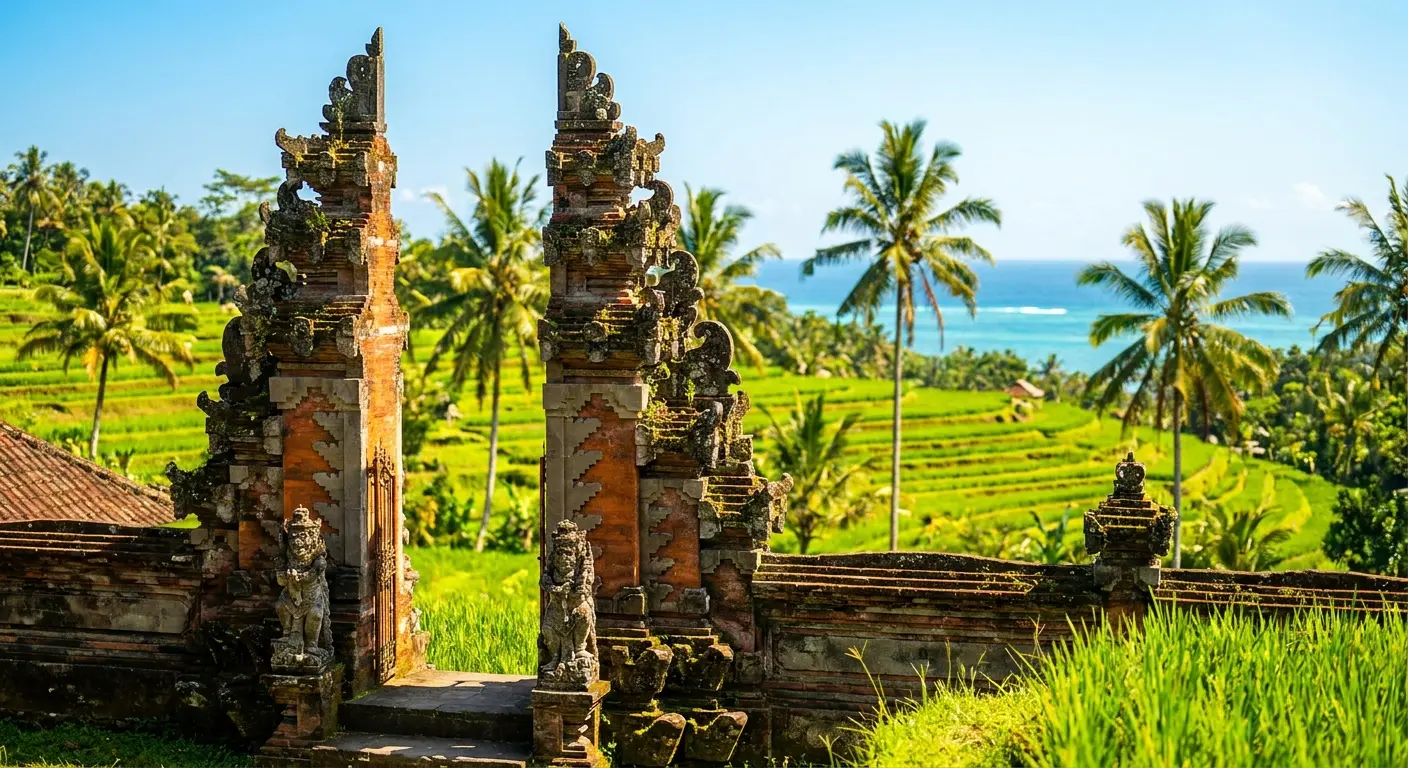
Day 6: Bratan Lake, Ulun Danu Beratan, Handara Gate
These iconic spots look spectacular even with overcast skies. Handara Gate against a cloudy background makes for a dramatic photo. Early morning departure avoids the heaviest rain.
Day 7: Nusa Penida Island Boat Tour
Fast boat to Nusa Penida; sea conditions can be rough during storms. If canceled, the operator will provide alternatives. If you go, slippery stairs at Diamond Beach require caution. Wear sturdy, non-slip footwear.
Day 8: Tanah Lot and Uluwatu Temple
Tanah Lot is accessible on foot during low tide. Rain might make the rocks slippery. Uluwatu’s sunset is mesmerizing even with clouds – the Kecak dance performance often continues under cover. Mind the monkeys; they become bolder in wet weather.
Day 9: Bali – Kuala Lumpur
Afternoon flight to KL. Clear weather likely; but arrive early for security. Evening free time – explore nearby malls or streets with umbrellas ready.
Day 10: Kuala Lumpur City Tour
Petronas Towers, Merdeka Square, Sultan Abdul Samad Building, National Mosque, Istana Negara, Chinatown, and Central Market. Most stops are short, and the more important parts are covered or walkable under sheltered walkways. If rain hits, linger at Central Market or the KLCC shopping mall.
Day 11: Kuala Lumpur – Istanbul
Morning flight, no weather impact.
Practical Tips: How to Enjoy Bali in the Rain
Preparation is key for a November trip. Here’s a checklist:
- Waterproof backpack or phone sleeve: Protect electronics and passports.
- Light raincoat or poncho: More practical than an umbrella; keeps hands free.
- Quick-dry clothing: Avoid heavy cotton; choose synthetics or travel-specific fabrics.
- Waterproof shoes or sandals: Essential for water activities and muddy trails.
- Plastic bags: Separate wet items from dry ones.
- Sunscreen and hat: Sun can emerge after rain; UV is strong all year.
- Flexibility: If a ferry is delayed or a viewpoint is foggy, embrace the moment. Sometimes unexpected weather creates the best memories.
Moreover, November is the start of Bali’s cultural festival season, with ceremonies honoring the rain goddess. Your guide can offer insight if you’re interested.
Looking for a Better Time? Alternative Months
The ideal time to visit Bali and Kuala Lumpur is April through October. This period offers the driest weather and maximum sunshine. Specifically:
- April–May: Lush green landscapes, fewer crowds, pleasant temperatures.
- June–August: Peak tourist season with guaranteed sunny days; book well in advance.
- September: Crowds thin out, prices drop, dry conditions persist.
If flexible, check Turlago’s website for alternate departure dates. The November 20, 2026 departure is a trade-off between budget and weather. For those who prioritize dry skies, a tour between May and September would be optimal. Nevertheless, this package offers a unique chance to see Bali at its most verdant and tranquil.
Conclusion: Is This Tour Right for You?
The Exotic Paradise Bali Ubud & Malaysia Kuala Lumpur Tour 10 Nights 11 Days is perfect for travelers who value authentic experiences, reasonable prices, and scenic beauty. A November departure means fewer tourists and an intimate atmosphere, despite occasional showers. With the right mindset and gear, you’ll return with unforgettable memories. Ready to pack your bags? View this tour on Turlago and secure your spot.
If this adventure tempts you, explore other options like a memorable Bosphorus evening in Istanbul or a magnificent Europe route for your next getaway.