Istanbul Car Rental: Şile Coastal Villages & Forest Routes
Most Şile itineraries collapse at the same point: someone picks a beach on the map, discovers it sits eleven kilometres from the next cove, and then realises the minibus back to the town centre runs twice a day. Şile is not a single destination. It is a long, fragmented stretch of Black Sea coastline northeast of Istanbul, stitched together by narrow coastal roads, chestnut forest lanes and a river valley that most visitors never reach. The only practical way to connect those pieces in one trip is to drive. That is why renting a car for the day — through a service like Turlago premium car rental — is less about comfort and more about what the geography actually allows.
What follows is not another list of beaches. It is a road-level breakdown: which corridor suits which car, what the drive really costs once fuel, tolls and parking are counted, and how rental length changes the arithmetic. Şile rewards planning, and it punishes the assumption that a beach and a road are the same thing.
Why Şile resists the single-beach day trip
The district centre is a small harbour town wrapped around a lighthouse and a ruined castle. From there the coast runs west toward Kumbaba and east toward Ağlayankaya and Ayazma, with coves tucked into the folds of the shoreline. Between these coves the drive is five to ten minutes. On foot, or waiting for a minibus, it can eat half a morning. Services are hub-and-spoke: they run to the centre, not between villages, so a hop from one cove to another usually means going back into town first.
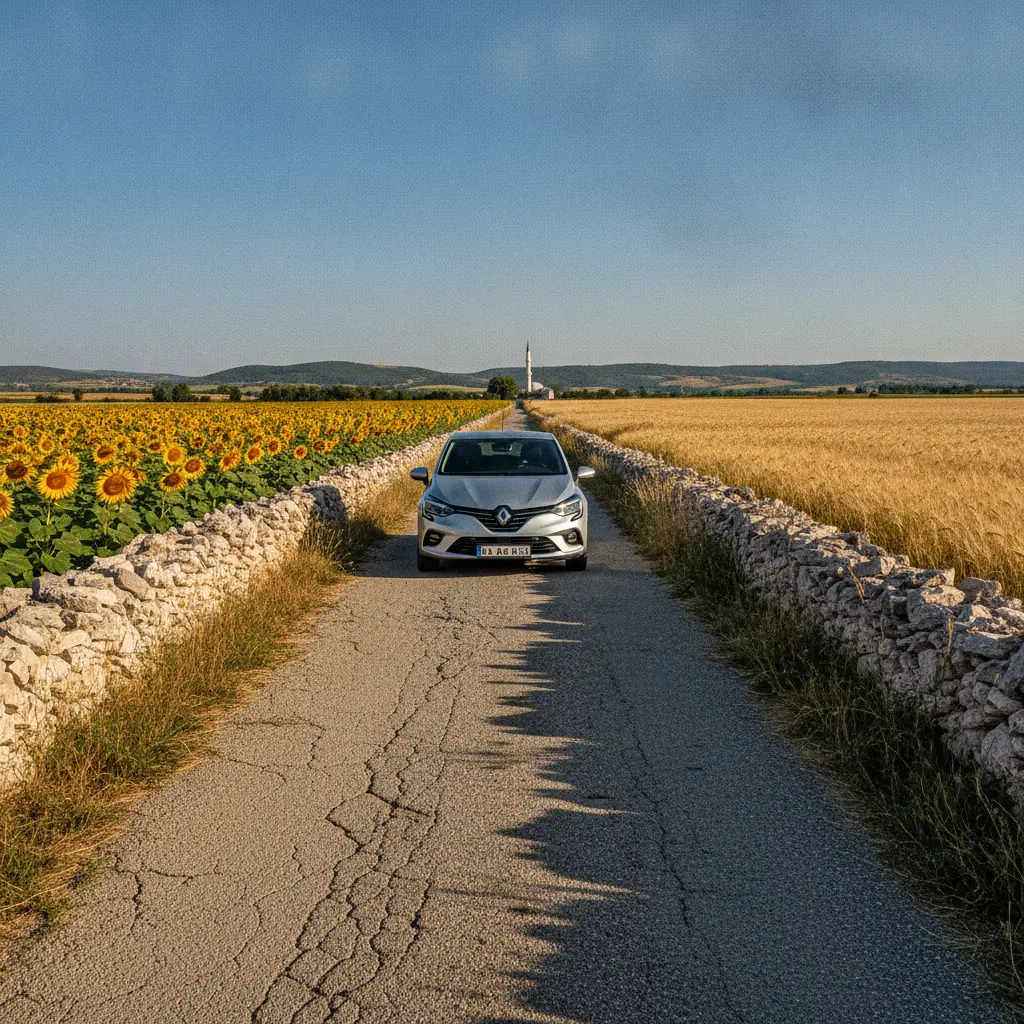
Inland the picture gets more scattered still. South of Şile lies the Darlık reservoir basin with its forest roads. East lies the Yeşilçay valley and Ağva. Northeast sit villages like Kabakoz and Kurfallı, where a few services a day is a generous description. You can absolutely consume Şile as “centre plus one beach” — but the district's real character lives in the transitions: the road dropping from the lighthouse headland into the valley, single-lane lanes through chestnut forest, the coastal road running parallel to the water.
That fragmentation is the whole argument for a rental car. In Şile you are not losing distance. You are losing waiting time.
Three corridors, three different driving experiences
Most rental decisions start and end with the daily rate. In Şile, the car you need is determined by which corridor you plan to spend time on, because the three corridors behave nothing alike.
The coastal corridor: centre, Kumbaba, Ağlayankaya, Ayazma
Short and dense. The descent from the centre to Kumbaba is steep and twisting; the coast road east toward Ağlayankaya narrows until, at a few points, only one car fits. Asphalt is largely sound, but the access lanes down to the coves are gravel and dirt, and not every car enjoys them. You will cover maybe 20–25 kilometres on this corridor, yet spend most of it stopping, reversing, hunting for a parking gap and watching for pedestrians. A small hatchback is more than enough here — and genuinely easier to park.
The valley corridor: Ağva, Yeşilçay, Kabakoz
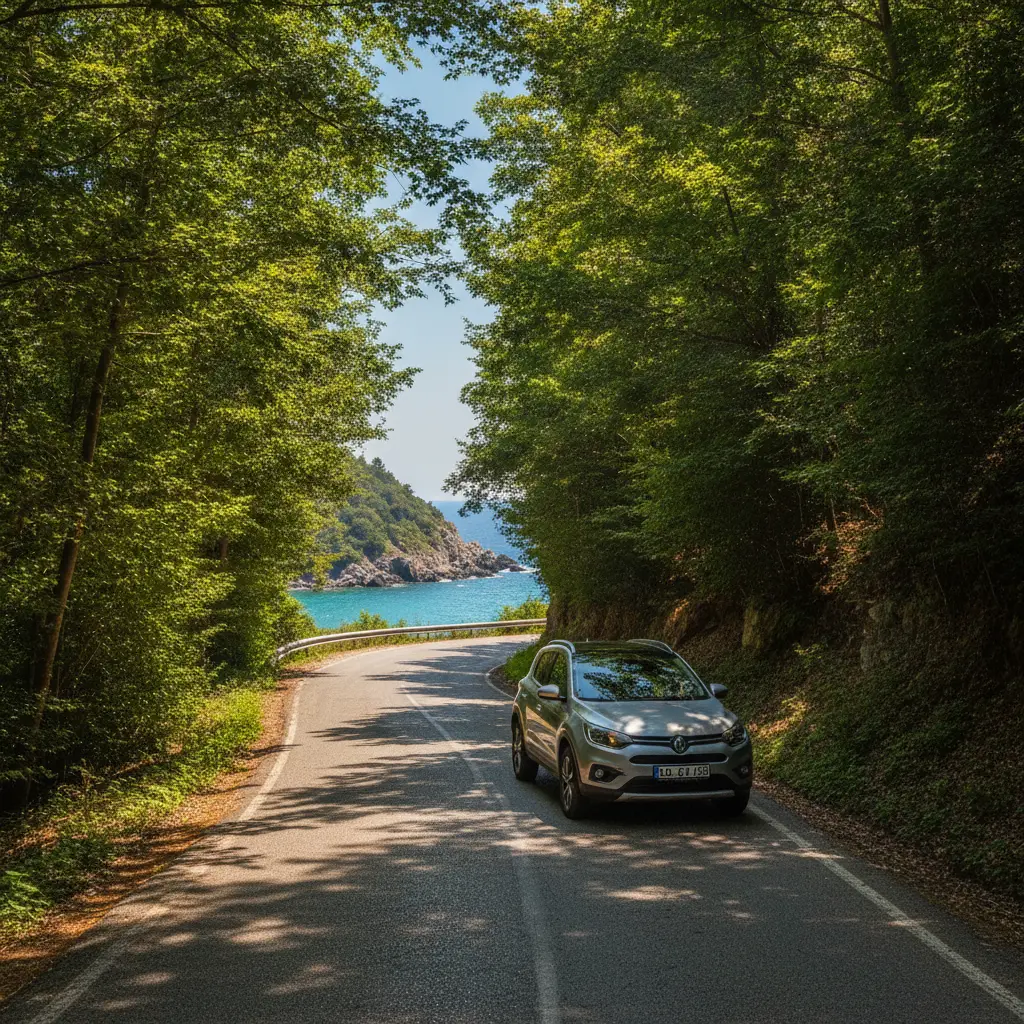
Roughly 30 kilometres from the centre to Ağva, and a textbook Black Sea road: constant curves, periodic narrowing, trees on both shoulders. Where the Yeşilçay meets the sea, a side road pulls you inland along the river. Average speeds are low; those 30 kilometres can cost 40–50 minutes. What matters here is grip and brakes, not horsepower. A sedan with a proper boot or a compact crossover feels calmest.
The forest corridor: Darlık, Çengilli, Avcıkoru, Kurfallı
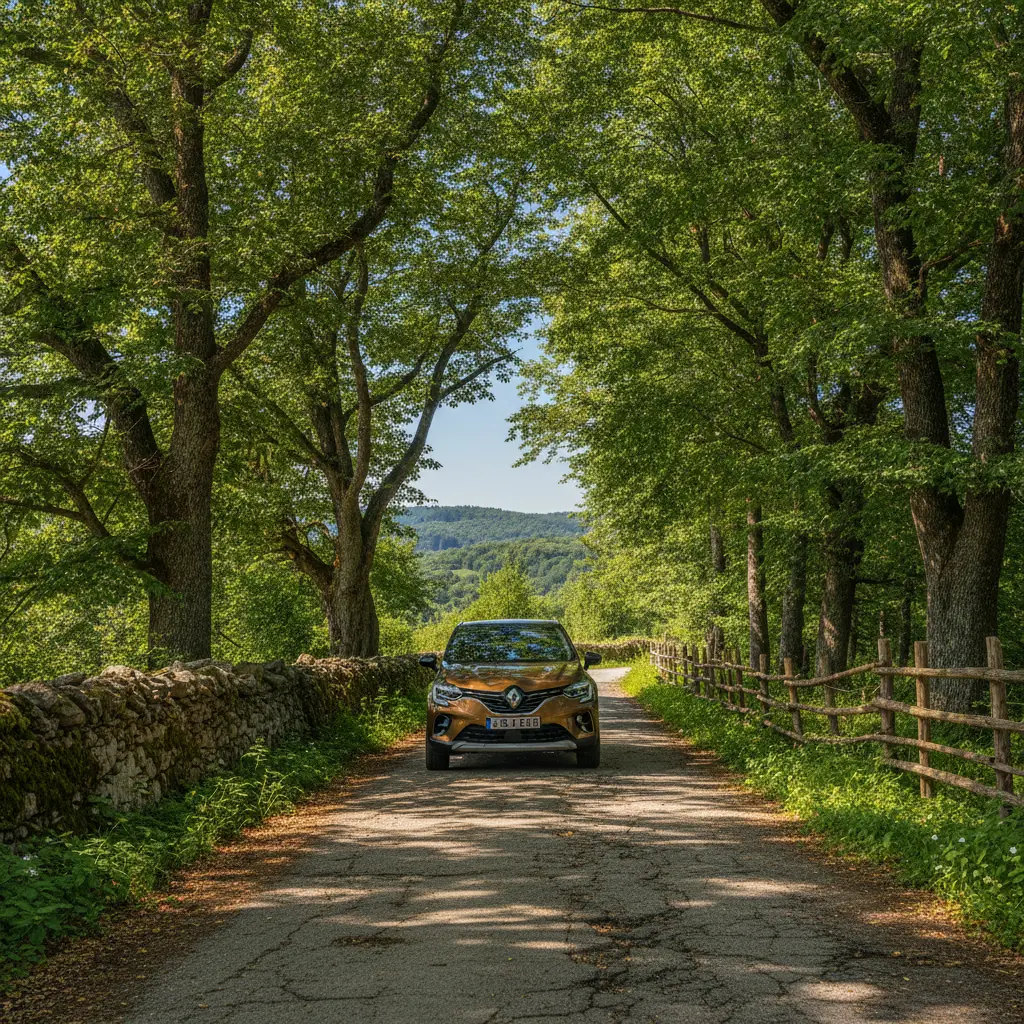
The least-known route, and the one that decides whether you rented the right car. Roads south toward the Darlık reservoir run mostly through forest; asphalt is patched in places and some village links are unpaved entirely. Watch the shortcuts your navigation suggests — on the map they look straight and simple, on the ground they can be tractor tracks. A little extra ground clearance makes a real difference here, though you do not need four-wheel drive provided the weather is dry.
Which car class actually fits these roads
- Economy hatchback: Perfect for two people with light luggage. Parking on the coastal corridor is its biggest asset. On the forest corridor you need to be careful about grounding on uneven surfaces.
- C-segment sedan: Comfortable for the motorway run and the drive home, generous boot. Can feel cumbersome in narrow village streets.
- Compact crossover or SUV: The most balanced choice for Şile's mixed surfaces. Ground clearance improves comfort on patched asphalt and gravel; fuel consumption rises compared with a hatchback.
- MPV or minivan: Sensible for a group of five to seven. It lowers the per-person cost considerably, but village parking becomes an exercise in patience.
Transmission matters more than people expect. With this much camber and curve, a manual gearbox gets tiring; on a route that leaves city traffic behind and then spends two hours winding, an automatic noticeably reduces fatigue. The trade-off is that automatics usually sit one tier higher on the daily rate. On a short half-day loop that premium may not be worth paying. Over three days, it usually is.
What the drive actually costs: distance, fuel, tolls, parking
Budgeting a Şile trip around the daily rental rate alone is misleading. The total has four parts, and three of them are never discussed at the rental desk.
- Distance: From Istanbul's Anatolian side to Şile centre is typically 65–75 km. Round trip that is 140–150 km. Add the coastal loop, Ağva and Darlık, and the odometer comfortably passes 200–250 km by evening.
- Fuel: An average passenger car will use somewhere in the 6–9 litres per 100 km range on this route. A 220 km day works out at roughly 14–20 litres. Fuel prices move constantly, so build your own sum with current figures — but accept from the start that fuel is a meaningful share of the daily rental rate, not a rounding error.
- Tolls: Routes arriving via the Northern Marmara motorway involve HGS/OGS toll charges. Some rental cars carry a toll tag and pass charges are billed per the contract. Ask about this at pick-up and you will avoid a surprise invoice later.
- Parking: There are paid car parks in Şile centre, and popular coves such as Kumbaba and Ayazma may charge a daily entry fee. On weekend afternoons these fill up, which means you can pay and still not find a space — a time-planning problem more than a budget one.
A rough shape for a two-person day trip: about half the total spend goes on the rental, a quarter on fuel, and the rest on tolls, parking and food. Add a third person and the per-head cost of the car drops, widening the gap against a bus-plus-taxi combination. With five people in an MPV, the per-head figure starts to approach the price of a bus ticket.
One day, three days, a week: the rental-length arithmetic
Şile can be done in a day, but the geography pushes you toward two. Staying a night in Ağva, avoiding a return drive in the dark, and giving the forest corridor its own day changes the trip entirely — and that changes how long you should rent for.
- One day (24 hours): Only really sensible for the coastal corridor. Pick up early, return at the same hour, and you minimise the risk of exceeding a mileage allowance. The downside is that most of the day is spent behind the wheel.
- Two to three days: The sweet spot. Coastal coves on day one, Ağva and the Yeşilçay valley on day two, Darlık forest roads on day three. The daily rate usually stays flat, but the fixed overheads — pick-up, deposit paperwork, refuelling — spread across three days and the effective cost per day falls.
- A full week: Weekly rentals push the average daily rate down sharply, and many operators effectively charge for five or six days while giving you seven. If you plan to link Şile with Istanbul's other northern routes, one weekly rental usually beats two separate short bookings.
The add-ons that quietly inflate the bill are predictable: airport pick-up instead of a city office, one-way drop-off, an additional driver, child seats and young-driver surcharges. For a Şile day trip most of these are unnecessary, and stripping the contract back to what you need is the single easiest saving available. Unlimited-mileage packages, meanwhile, usually pay for themselves on a route that exceeds 200 km — a package capped at 200 km a day can leave you paying per kilometre on the way home.
The last 300 metres: village traffic and parking
Şile's real practical problem is not the road. It is the final 300 metres at the destination. Streets in the centre are narrow because of the historic layout; the lanes around Ağlayankaya and Ayazma close up with double-parked cars during beach season. A distance that looks like ten minutes on a map can take twenty-five in practice.
A few rules that help. Arriving at popular coves before 10am noticeably improves your odds of both a parking space and a decent spot on the sand. Sunday evening traffic on the Şile road is genuinely heavy; leaving early, or lingering over dinner in Ağva until it clears, is smarter than joining the 5–8pm crawl. In Ağva itself, park at the village entrance car parks and walk in rather than driving to the waterfront.
Fuel stations deserve a mention too. They are easy to find in Şile centre, but thin out quickly on the forest corridor and in the villages north of Ağva. Filling up before you leave town removes an unnecessary variable from the day.
Worth stopping for: the local details most guides skip
Treating the Şile route as a chain of beaches means skipping the layers that make the district interesting. The lighthouse on the headland is the largest in Turkey and its surrounding point is at its calmest early in the morning; the little fishing harbour beside it works all day and you can see the morning's catch on the counters.
Ağlayankaya takes its name from water seeping down the rock face, and while the legend gets retold often, its real appeal is the rocky structure and the fact that it sits close to the centre. Ayazma, by contrast, is sheltered with a gentler swell, which is why families with children gravitate there. Cross to Ağva and the scene changes completely: the mouth of the Yeşilçay where the river meets the sea, and the quieter inland water around Saklıgöl. The forest road around the Darlık reservoir is the quietest part of the district altogether — village coffee houses, chestnut trees, and producers selling from tables at the roadside.
There is a craft layer too. Şile has a long weaving tradition, and small workshops in the centre still show it. Summer events tied to that tradition bring extra visitors to the centre, so plan parking accordingly on those weekends.
Month by month: reading the season through the geography
- May–June: The most balanced window for the coastal corridor. The sea is still cool, but crowds are thin, parking is easy and the forest roads are at their greenest.
- July–August: Peak activity in the coves. If you are driving in these months, early starts are not optional.
- September: Water still warm, crowds gone. Arguably the best month for anyone who wants to actually drive the route rather than sit in it.
- October–November: Chestnut and mushroom season. The Darlık and Çengilli corridor becomes far more interesting, with roadside producers appearing along the lanes.
- Winter: Windy on the coast, heavy morning fog on the forest roads. If you rent in this window, confirm fog lights and winter tyres before you drive away.
Forest road hazards and driving notes
- Morning fog: In spring and autumn especially, visibility in the valley floors drops fast. Heading into the forest corridor early in a car without fog lights is a risk not worth taking.
- Wet surfaces and curves: Shaded sections stay damp for days after rain. Shedding speed before the corner rather than braking into it is what keeps the front wheels planted.
- Animals and tractors: Village lanes bring sudden dogs, tractors and slow-moving farm vehicles. On single-lane stretches, read the passing places ahead of time.
- Navigation traps: Mapping apps occasionally render dirt tracks as if they were asphalt. Checking whether a segment is gravel protects your sump and your tyres.
Lighting is the other thing. Forest roads have no street lamps, so plan the return before dark — it is the single most useful safety decision on a day trip. Downloading an offline map for the stretches with no signal is a small precaution that pays off.
Five contract clauses worth reading properly
- Mileage allowance: The Şile loop can exceed 200 km, so choose unlimited mileage or a high cap.
- Deposit: Note the blocked amount on your credit card and how long the release takes. Some operators want a bank transfer, in which case the refund can take days.
- Insurance excess: Even full-coverage policies often exclude tyres, glass and underbody damage. If you plan forest roads, ask about this specifically.
- Fuel policy: Full-to-full is the most transparent arrangement. Refuel before you rejoin the return route rather than hunting for a station at the last minute.
- Roadside assistance: Recovery on the forest corridor takes time to reach you. Make sure the assistance number is written into the contract.
Three ready-made plans with the budget split
Half day — coastal corridor only: Centre, Kumbaba, Ağlayankaya, Ayazma. Around 40–50 km. Low rental cost, minimal fuel, paid parking at two stops. The cheapest option for anyone coming from Istanbul, though if you plan to stay put at one cove all afternoon, the car stops earning its keep.
Full day — coast plus forest: Coast in the morning, Darlık and Çengilli in the afternoon. Around 180–220 km. Fuel and tolls take a bigger share, but you see two entirely different landscapes in one day. This is the combination most day renters end up choosing.
Two days — with a night in Ağva: Coast on day one, overnight in Ağva, then the Yeşilçay valley and Kabakoz on day two. Can pass 300 km. A two-day rental costs barely more per day than a single day; the real added expense is accommodation. For anyone who wants to actually experience Şile rather than tick it off, it is the only sensible version.
Conclusion: driving Şile at its own pace
The obstacle in Şile is not transport — it is the way transport is organised. Short distances between the centre and the coves become long waits once you rely on scheduled services, and the day quietly disappears. Arrive with your own car and the same geography turns into an entirely different map: a swim at Ağlayankaya in the morning, forest lanes around Darlık in the afternoon, and dinner by the river in Ağva that same evening.
On budget the logic is straightforward. The right car class, an unlimited-mileage package and an early start keep the total below what most people expect. Strip out the unnecessary extras — one-way drop-off, additional driver, airport pick-up — and a day rental often breaks even against a bus-plus-taxi combination for two people, and clearly wins from three upwards.
Before you build the route, it is worth browsing the options on Turlago premium car rental, where you can compare vehicle class, mileage package and pick-up point on the same screen — the step that matters most on a multi-stop route like this one. After that, the rest belongs to the geography: three corridors, one tank of fuel and the right departure time.