Italy and Greece Bus Tour: Best Time to Go by Season
If you're planning to join the Grand Italy and Greece Tale tour on Turlago, one of the first decisions you'll face is the departure date. That choice determines whether you'll enjoy warm sunshine or crisp air, encounter empty piazzas or busy queues, and find budget-friendly prices or peak-season rates. This seasonal guide breaks down every departure window—from January to November—so you can pick the perfect time for your 9-day bus adventure.
Tour Departure Dates at a Glance
The tour itinerary includes departures on: 16–23 January; 13–18 March, 19 March; 22–30 April; 8–15 May, 22–23 May; 19–20 June; 3–4 July, 18 July, 31 July; 1 August, 14 August, 15 August, 28 August, 29 August; 11 September, 25 September; 9 October, 23 October; 6 November, 13 November.
With such a wide range, you can align your journey with Turkish school holidays, religious festivals, or your own vacation calendar. But each season paints the same route—Sofia, Belgrade, Ljubljana, Padua, Venice, Verona, Milan, Pisa, Florence, San Gimignano, Siena, Rome, Vatican, Pompeii, and the ferry to Greece—in a completely different light.
January: Winter Tranquility and Budget-Friendly Options
The first departure of the year is on 16–23 January. This window coincides with the end of Turkey’s mid-semester break (sömestr), making it a great choice for school-age families. In January, Europe’s tourist hotspots are blissfully quiet. You can walk through the Roman Forum without jostling for space, and Venice’s narrow alleys feel almost private.
What to Expect Weather-Wise
Northern Italy—Milan, Padua, and Venice—experiences cold, damp weather with daytime highs around 5–8°C and occasional frost at night. Rome and Pompeii are milder but still cool, with temperatures hovering near 10°C. Greece, including Kavala and Igoumenitsa, is similarly crisp. Pack a warm coat, scarf, and waterproof shoes.
Pros of a January Tour
- Shorter lines at museums and archaeological sites.
- Lower hotel and tour prices compared to summer.
- A quieter, more intimate connection with each city.
- Magical misty mornings in Venice—perfect for photography.
Cons to Consider
- Daylight lasts only about 9-10 hours, limiting sightseeing time.
- Some rooftop terraces and outdoor cafes may be closed.
- Ferry crossings can be delayed by rough winter seas.
- Venice's high water (acqua alta) occasionally floods parts of the city.
March – April: Spring Awakening, Flowers, and Easter Spirit
Departures on 13–18 March, 19 March, and 22–30 April are ideal for witnessing Europe burst into bloom. March is still cool, but by late April temperatures become pleasantly mild. If your tour coincides with Easter (as some April departures do), Rome hosts dramatic religious processions and the Vatican holds special ceremonies.
What Makes Spring Special
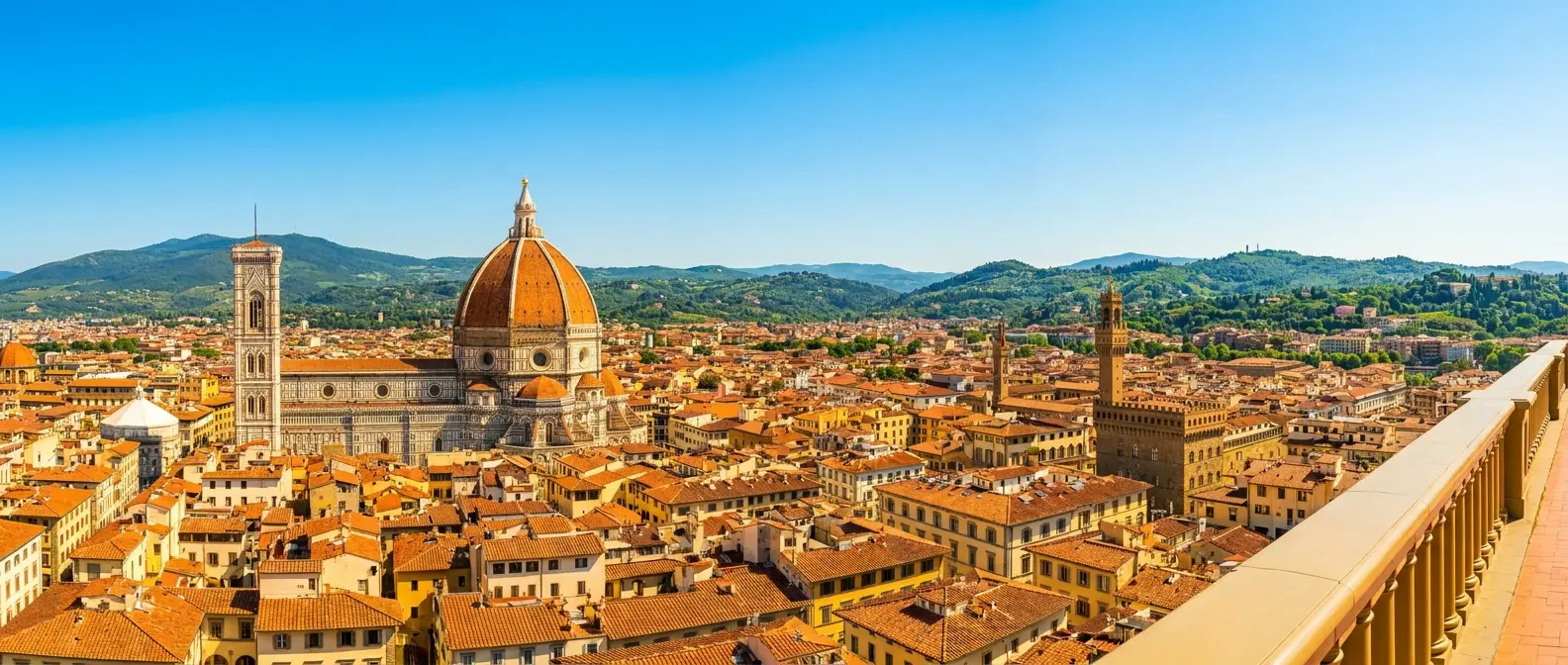
Florence is adorned with purple wisteria, while the rolling hills of Siena and San Gimignano turn lush green. The grass around Pisa’s Leaning Tower becomes a popular picnic spot for locals. Tourist numbers begin to rise, but the crowds remain far below summer peaks.
Tips for Spring Travelers
- Dress in layers: mornings are chilly, but midday sun can be warm.
- Carry an umbrella; April showers are common.
- Be aware that Easter can temporarily close certain Vatican areas; follow your guide’s instructions.
- Don't miss the included excursion to San Gimignano—the spring light makes its medieval towers glow.
May: The Golden Season in Italy and Greece
The 8–15 May and 22–23 May departures represent the sweet spot of the entire year. Temperatures hover between 20–25°C, days are long, and precipitation is minimal. This is the time when every destination offers picture-perfect conditions without the exhausting heat of summer.
Where You’ll Be in May
Venice’s Piazza San Marco fills with outdoor cafes and live orchestras. Milan showcases its latest spring fashion collections. Florence bursts with art events, and Pompeii’s ancient streets are punctuated by the snow-capped peak of Mount Vesuvius—a rare and stunning sight.
Why May is a Favorite Among Frequent Travelers
- All museums and open-air sites are fully operational.
- Crowds are noticeable but manageable, unlike summer.
- No extreme temperatures—the bus ride, walking tours, and ferry crossing are all comfortable.
- Ferry schedules are regular, and the Mediterranean is typically calm.
- Kavala, Greece, offers wonderful harbor views and its famous local cookies—a delightful spring treat.
June and July: Summer in Full Swing
Summer season begins with departures on 19–20 June, 3–4 July, 18 July, and 31 July. This period attracts families with school-age children and young travelers eager for lively evenings. Expect long sunny days, open-air festivals, and an energetic vibe throughout the trip.
Dealing with Heat and Crowds
In July, Rome’s afternoon temperatures can exceed 35°C. Lines at the Vatican Museums are longest midday, so your guide will likely schedule visits for early morning or late afternoon. Vaporetto rides in Venice provide a refreshing breeze, but don’t forget your sun hat and sunscreen.
Summer Highlights Along the Route
- Florence at dusk: the sunset view from Ponte Vecchio is unforgettable.
- Ice cream break under San Gimignano’s medieval towers.
- Siena’s Palio horse races take place on July 2 and August 16, transforming the city into a grand spectacle.
- In Igoumenitsa, Greece, you can enjoy the turquoise Ionian Sea; private swim stops may be offered at an extra cost.
August: Peak Summer, Peak Crowds, Peak Energy
August departures (1, 14, 15, 28, 29) represent the height of the European holiday season. Roads, beaches, and urban centers are packed. The tour may coincide with Turkey’s Kurban Bayramı, making it especially popular among Turkish travelers.
Essential August Advice
- Heat: In Milan, Padua, and Florence, temperatures regularly touch 35°C or more. Stay hydrated and use cooling towels.
- Crowds: Expect waits of at least 30 minutes at Pompeii’s entrance; use the provided headset system to hear your guide clearly.
- Accommodation: Hotels may be fully booked, so confirm your reservation early.
- Ferry: Summer ferry routes are frequent, but cabins fill quickly—book your spot as soon as possible.
Despite the crowds, August offers the most vibrant nightlife, the liveliest festivals, and a truly electric atmosphere. If your dates include August 16, you’ll have a chance to witness Siena’s famous Palio di Siena, a historic horse race that captivates the entire city.
September – October: Autumn’s Mild Elegance and Harvest Festivals
Departures on 11–25 September and 9–23 October are often hailed as the “hidden gem” period. The scorching summer heat gives way to ideal temperatures of 20–28°C, and the crowds thin out considerably. This is also harvest season, so expect seasonal delights.
What Changes on the Route
In Tuscany, particularly around Siena and San Gimignano, vineyards open their doors for wine tastings. Montecatini Terme offers relaxing thermal baths in October. Rome hosts open-air opera and classical concerts. In Kavala, Greece, the tobacco harvest brings local cultural events and fresh seafood markets.
Recommendations for Autumn Tourists
- September is still ideal for swimming—pack your swimsuit for a possible dip near Igoumenitsa.
- October may bring short rain showers; carry a compact umbrella.
- Musems are still on summer hours in September, but with far less waiting.
November: Quiet Season, Lower Prices, Romantic Mist
The final departures are on 6–13 November. By this time, summer tourism has vanished, and the cities return to their local pace. The cold weather begins to set in, but the soft mist over Venetian canals and Roman ruins creates a photographer’s dream.
November’s Pros and Cons
On the plus side: reduced rates at hotels and some restaurants, immediate entry into museums, and negotiating power for gondola rides in Venice. The tour bus is likely to be less crowded, offering more personal space. On the downside: short daylight hours and many outdoor cafes have closed for the season.
In Kavala, November marks the start of the fishing season, so harbor restaurants overflow with fresh Aegean seafood—a wonderful opportunity to taste the local cuisine.
How the Season Affects the Itinerary
The Ferry Crossing Experience
One of the most memorable legs is the overnight ferry from Brindisi/Bari to Igoumenitsa, Greece. In summer, the sea is calm, the cabins are comfortable, and you can stargaze from the deck. In spring and autumn, expect a slightly rougher ride; consider motion sickness medication. Winter crossings are occasionally disrupted, but the operator will provide alternative arrangements if needed.
Daylight and Photography
In January, the sun sets as early as 5 PM, while in June it stays light until 9 PM. Golden-hour photography is best in September, around 6-7 PM. Early morning tours in Venice and Florence not only avoid crowds but also capture the softest light.
Museum and Archaeological Site Hours
Many sites, including Pompeii, shorten their hours from November to February. During the summer months, some museums extend evening openings. Your guide will adapt the daily schedule to make sure you still see the essential highlights.
Choosing the Right Departure for You
Still undecided? Let’s match your priorities to the ideal season:
- Best weather and lower crowds: May (8–15 or 22–23) and September (11–25) are clear winners.
- Budget-conscious travelers: January (16–23) and November (6–13) offer the lowest prices, but you’ll need to embrace the cold.
- Families with school holidays: For Turkey’s mid-term break in January, April 23 (National Sovereignty Day), May 19 (Youth and Sports Day), or summer break, consider the corresponding departure dates. Kurban Bayramı timings vary; check Turlago’s current schedule.
- Romantic getaway: The foggy, quiet canals of Venice in January create a dreamlike setting for couples.
- Beach lovers: September offers the last chance to enjoy warm Mediterranean waters and pleasant air in Greece.
Final Practical Tips Before You Book
Visa and Passport Requirements
The tour passes through Bulgaria and Greece, so a Schengen visa is required for Turkish citizens without a green (ordinary? Actually green passport means exempt) passport. Green passport holders are exempt from visas and simply present their passport at the border. The tour is listed under “Visa-Free Tours for Green Passport Holders” for that reason. For visa assistance, contact Turlago’s partner agencies.
What’s Included and What’s Not
The package includes luxury bus transportation, 6 nights in 3* and 4* hotels, six hotel breakfasts, ferry tickets, and the listed excursions (Tuscany – Siena, San Gimignano, and Pompeii). Lunches and dinners, museum entrance fees, Venice vaporetto ticket (€15), gondola ride (€30), and personal expenses are not covered. Budget accordingly.
Health and Comfort on the Bus
Long bus journeys are more comfortable with a neck pillow, earplugs, and light snacks. Check in advance whether the bus has Wi-Fi and power sockets. Since some European restrooms charge a fee, always carry small change.
Conclusion: Choose Your Perfect Time
Whether you prefer the serene charm of winter, the freshness of spring, the vibrant chaos of summer, or the gentle beauty of fall, the Grand Italy and Greece Tale itinerary on Turlago adapts to deliver a unique experience every time. Consider your personal priorities—weather, budget, crowd tolerance, and holiday schedule—then secure your seat on the departure date that resonates with you. The magic of Italy and Greece awaits, no matter the season you choose.