Italy & Greece Bus Tour: Seasonal Guide from Izmir
Knowing a city is one thing; knowing which season best suits that city is another. As you view the Big Italy & Greece Fairy Tale tour on Turlago, you’re probably asking: “Which departure date gives me the best balance of scenery, comfort, and budget?” This article breaks down the 9-day itinerary through a seasonal lens—from whether Venice will flood to when Tuscan hills look their most picturesque.
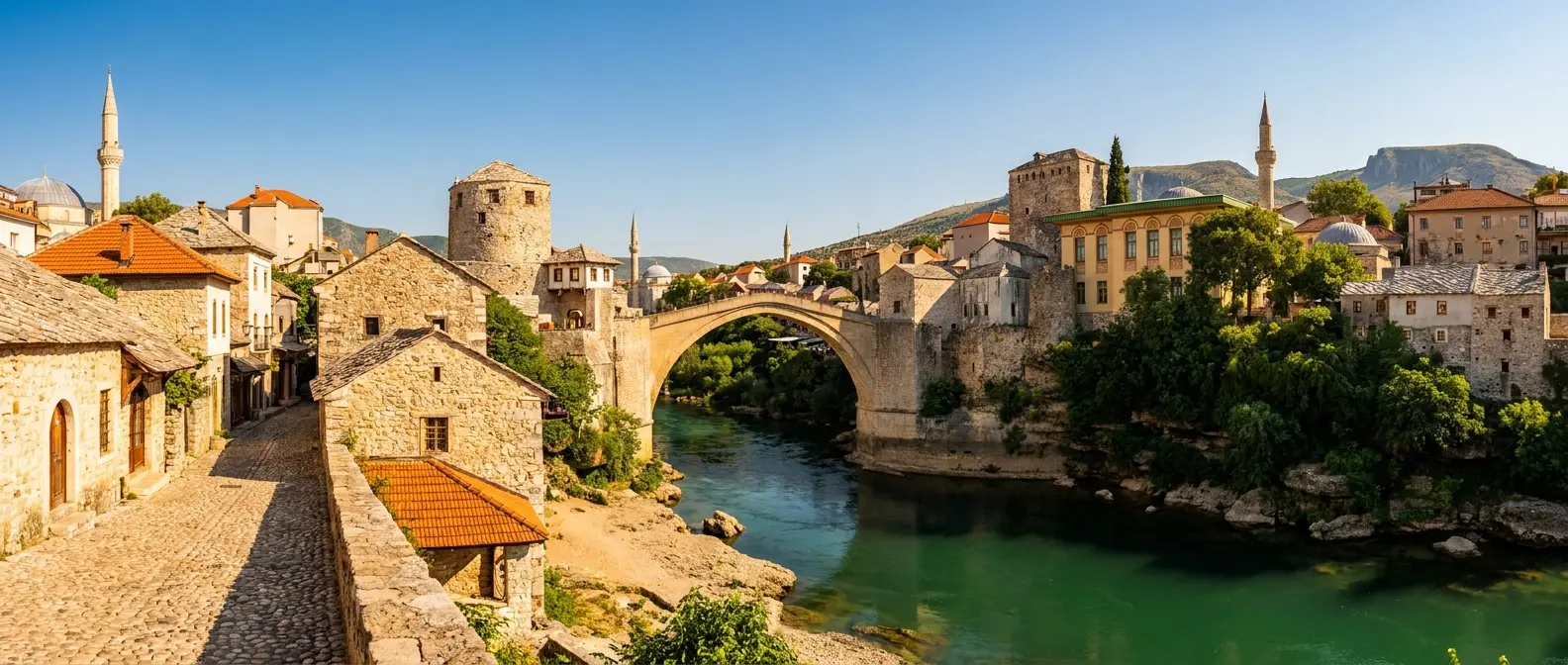
The route is set: a luxury coach departs from Izmir, crosses Bulgaria, Serbia, and Slovenia, dives into Italy’s historic cities, and finally takes a ferry over to Greece, ending near Kavala. With so many destinations bundled into one trip, the perfect month makes all the difference between an unforgettable memory and a weather-beaten struggle.
Why Seasonal Timing Matters for This Itinerary
Europe’s classic “grand tour” tends to scream summer, but this route is more than a Mediterranean cruise. Sofia and Belgrade have a continental climate, Ljubljana and Venice are humid and mild, while Tuscany and the Amalfi coast feel purely Mediterranean. That means you experience multiple climate zones in just nine days. Choosing the wrong season can turn a dreamy Venice stroll into a rainy puddle-jump, or a morning at Pompeii into a heatstroke hazard.
The itinerary is packed: hotel breakfasts, long bus rides, city walks, and ferry crossings fill every day. Much of your time is spent outdoors—wandering Venice without a map, grabbing gelato in Florence, or standing amid Rome’s ancient ruins. Therefore, the weather directly controls how much you enjoy those moments. A little seasonal planning goes a long way.
Month-by-Month Seasonal Guide
The tour’s published departure dates themselves read like a seasonal calendar: January, March, April, May, June, July, August, September, October, and November. Here’s what each season has in store along this route.
Winter: The Quiet Charm of January Departures
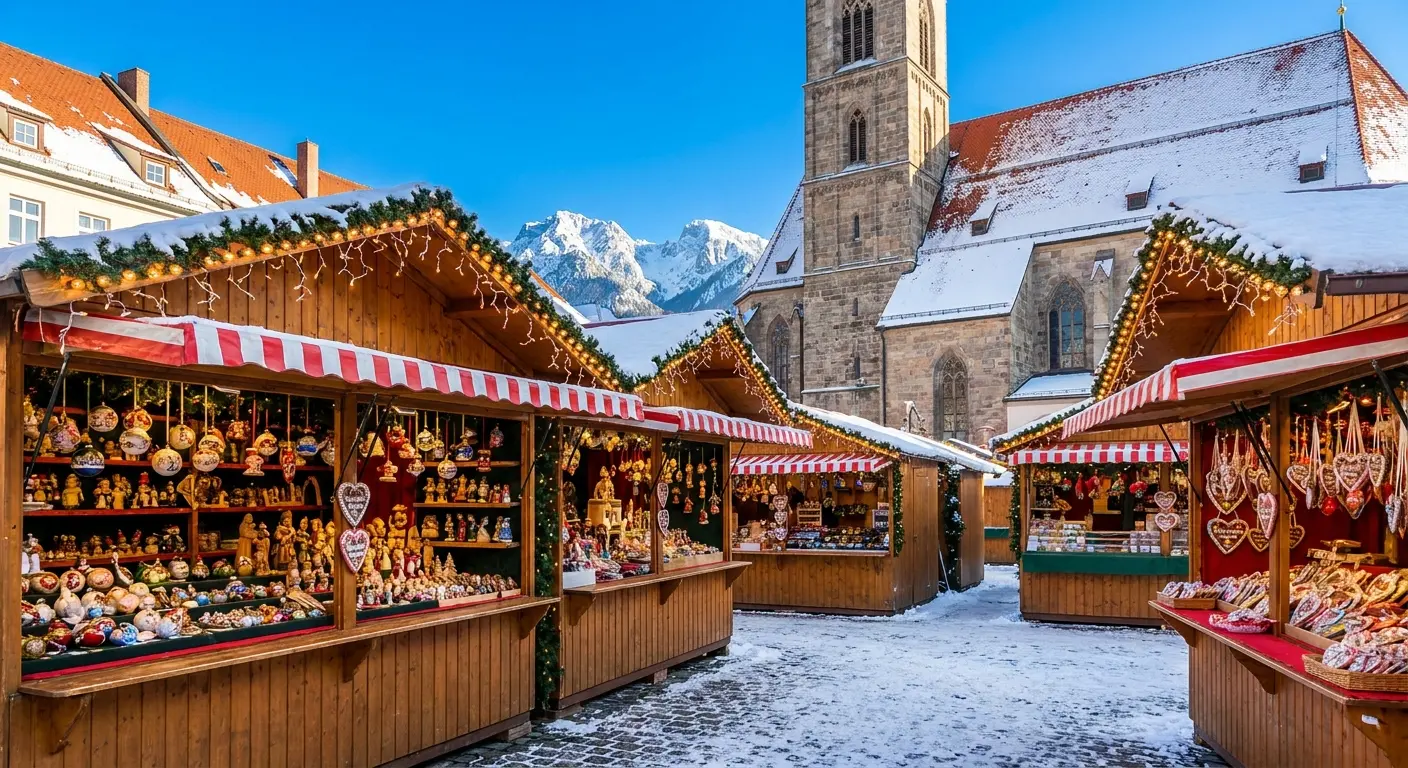
January 16 and 23 departures fall perfectly within the Turkish mid-term school break, making them a magnet for families. Winter means minimal tourist crowds: you can approach St. Peter’s Basilica without long queues and have St. Mark’s Square in Venice almost to yourself. But winter demands a price: cold winds in Belgrade, possible snowfall in Sofia, and icy sidewalks in Ljubljana. Venice also faces “acqua alta” (high water) during winter; parts of St. Mark’s Square may flood, though walkways are usually set up to keep you dry. The upside? You’ll get closer to the locals and see the cities without the tourist circus.
Spring: Why March–April Dates Are a Smart Sweet Spot
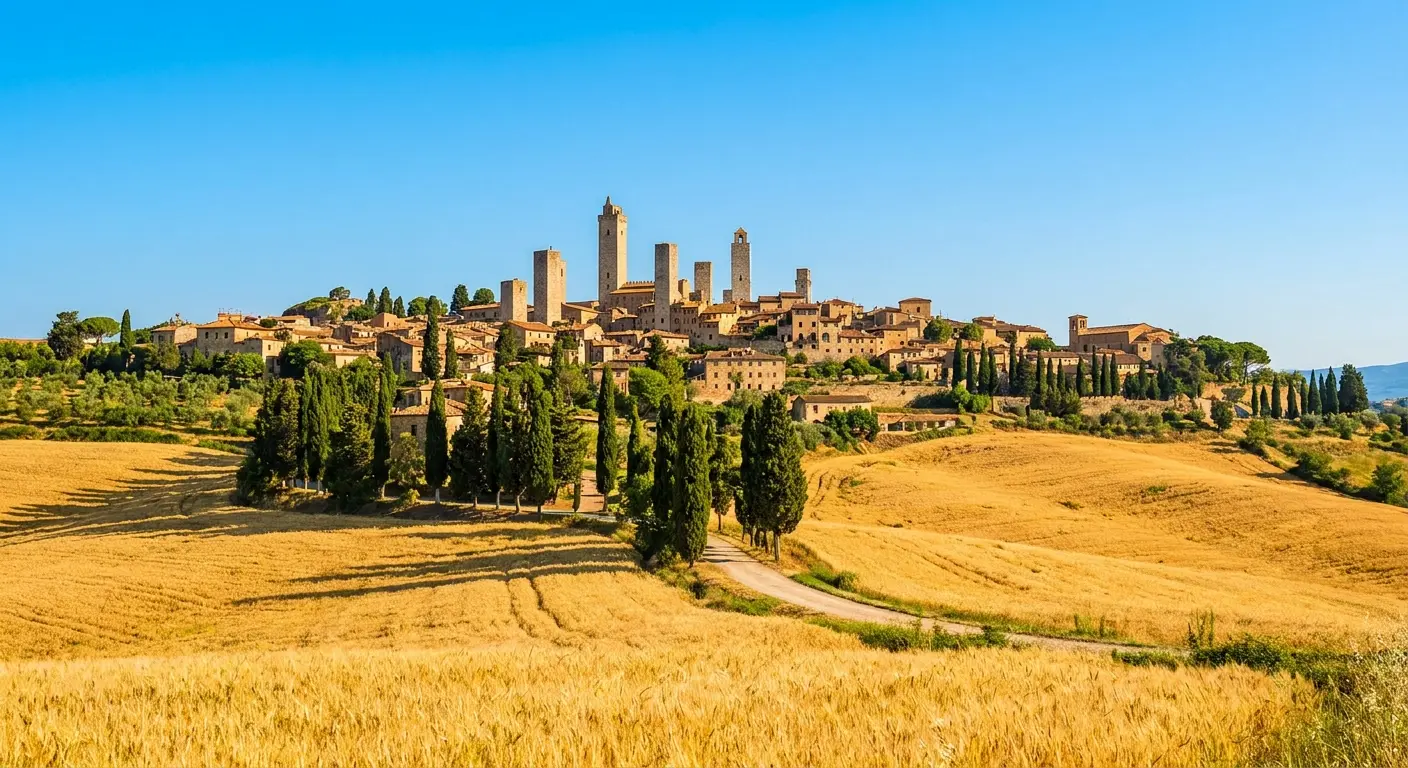
Spring may be the best overall compromise. Mid-March through late April offers mild days—around 15–20°C—and cool nights. This is perfect for walking up to Belgrade Fortress, having coffee in Ljubljana’s Preseren Square, or enjoying a long lunch at Florence’s Piazza della Repubblica. By April, the Tuscan countryside bursts into shades of green; the hills around San Gimignano and Siena are dotted with wildflowers. Easter week can bring more pilgrims to Rome and Vatican City, but the itinerary copes well. Rain is still possible, especially in Venice and Milan, but when the sun comes out, spring cities look their freshest.
Summer: Long Days and Dazzling Light from May to August
May is an early-summer gift: warm but not suffocating, and days stretch long. Departures on 1, 15, 22, and 23 May blend the last breath of spring with the first heat of summer. June dates (12, 26, 27) remain delightful, with bright skies and balmy evenings. Then come July and August: full-blown summer with intense heat and massive crowds. In Rome and Florence, thermometers can reach 35–40°C at noon; walking among ancient stones in Pompeii becomes a true endurance test. Venice, with its humidity, can feel like a sauna. On the flip side, summer means endless daylight, outdoor cafés, and vibrant nightlife. If you thrive in heat and love buzzing piazzas, these dates are yours. The Kurban Bayramı holiday sometimes overlaps with these summer departures, making it convenient for Turkish travelers.
Autumn: The Insider’s Choice from September to November
September is the cleverest month on the Mediterranean calendar. The 4 and 18 September departures come after the peak crowds but before the sea turns cold. You can still dip your toes in the Ionian Sea near Kavala, Greece. October arrivals (2, 16, 30) bring wine harvest and olive-picking time in Tuscany; the fall foliage paints Rome’s gardens in warm shades. November departures (7, 14) offer a peaceful, contemplative trip—temperatures in Belgrade hover around 10°C and Rome around 15°C, with a higher chance of rain but almost no tourists. If you prefer unhurried sightseeing and want to experience local life rather than touristic hotspots, autumn is your season.
Day-by-Day Route: How the Season Affects Each Stop
While the route itself doesn’t change, your experience of each day will change dramatically with the weather. Let’s walk through the itinerary with a seasonal eye:
- Day 1 – Izmir to Bursa: In summer, the 15:00 departure from Izmir means you drive under a blazing sun; in winter, border crossings may occur in the dark, making the first day feel longer.
- Day 2 – Sofia and Belgrade: A snowy Sofia can be magical; a cold, windy Belgrade can be harsh. Summer brings bright sun and midday heat, so consider carrying a water bottle while exploring Kalemegdan Park.
- Day 3 – Ljubljana and Padua: In spring, the Dragon Bridge and Three Bridges are postcard-perfect. In July, the city’s squares offer little shade; plan to use the free time for a riverside drink.
- Day 4 – Venice, Verona, Milan: The optional gondola ride and vaporetto to St. Mark’s can feel romantic in light rain, but a downpour is simply miserable. Late spring and early autumn provide the ideal balance. Summer crowds can make the narrow alleys claustrophobic.
- Day 5 – Milan and Pisa: The white marble of Milan Cathedral gleams beautifully in summer, but winter creates dramatic, empty piazzas for photography. In Pisa, the Field of Miracles is greener and more pleasant in May or September.
- Day 6 – Florence, San Gimignano, Siena, Rome: Tuscany’s hill towns are the heart of this tour. Summer brings long queues at the town gates; autumn offers wine-tasting and quieter lanes. Ending your day driving into Rome is easier in longer daylight hours.
- Day 7 – Rome and Vatican: A summer morning at the Vatican requires early starts to avoid heat and crowds. Winter lets you explore St. Peter’s Basilica with relative calm. Rome’s open-air piazzas are best in September’s mild evenings.
- Day 8 – Pompeii and Bari/Brindisi: Pompeii can become an oven in July and August; spring and fall keep the ancient stones at a comfortable temperature. Winter offers an almost eerie solitude among the ruins. The evening ferry departure from Bari is more relaxed in summer, as the port is lively.
- Day 9 – Igoumenitsa, Kavala, Izmir: On the ferry you can watch the Ionian Sea; in September, a short swim near Kavala might still be possible. In November, enjoy a hot coffee with the famous Kavala cookie. Back at the Turkish border, expect queues regardless of season.
Why the Published Dates Are Your Best Seasonal Guide
Look closely at the tour’s departure calendar: it clusters around school holidays, religious festivals, and, of course, peak travel periods. The logistics below help you decide:
- January: Sömestr (mid-term) gives families a window. Expect cold but clear days.
- March–April: Spring break and the run-up to Easter; mild weather and fewer travelers than summer.
- May–June: The ideal combination of warm days, blooming landscapes, and festive energy.
- July–August: School holidays and Kurban Bayramı attract Turkish travelers; expect heat, crowds, and high energy.
- September–October: Autumn harvests, mild temperatures, and diminishing crowds—a favorite among repeat visitors.
- November: Off-season serenity and budget-friendly opportunities.
Packing for the Season: A Practical Checklist
Between Milan’s fashion streets and Pompeii’s uneven cobblestones, your suitcase needs to serve multiple purposes. This itinerary-friendly list works for every season:
- Comfortable walking shoes: Expect 8–10 km of walking daily. Old town streets and ancient ruins are tough on your feet.
- Layers: Mornings can be cool even in summer, especially in Slovenia; a light sweater or jacket always helps.
- Waterproof jacket or umbrella: Rain is always a possibility, especially in Venice, Milan, and Ljubljana.
- Sunscreen and a hat: Non-negotiable for the summer visits to Pompeii and Rome.
- Small backpack: Carry your daily essentials; leave large luggage on the coach.
- Power bank: Long transfers and photo-heavy days drain your phone fast.
- Personal medicine: Headache tablets, stomach remedies, and any prescription drugs.
- Photocopies of passport and visa: Store separately from the originals; it speeds up replacement in case of loss.
- Neck pillow: Essential for overnight bus and ferry journeys.
- Money belt or tiny purse: Tourist hubs attract pickpockets; keep valuables close.
Frequently Asked Questions: Visa, Ferry, and Extra Costs
Beyond seasonality, a few practical details affect your budget. A multi-entry Schengen visa is not included in the tour price, so apply at least 4–6 weeks before departure. The Bari–Igoumenitsa ferry ticket is included, but breakfast on the ferry is on you. Venice’s vaporetto to St. Mark’s (€15) and an optional gondola ride (€30) are extras, as is the entrance fee to Pompeii (with required audio guide). Lunch and dinner, drinks, and personal shopping are not part of the package. Budget €30–50 per day for food and souvenirs; in summer, expect to spend more on drinks and gelato.
The tour description clearly states that extra tours and peripheral excursions are included: San Gimignano, Siena, and Pompeii tours are in the price, as are several panoramic city tours. However, entrance fees to museums and archaeological sites are excluded. Keep this in mind when planning your cash reserves.
The Takeaway: Choose the Season That Tells Your Version of the Tale
Italy and Greece have a different story to tell in every season. Wake up to a misty Venice in January, lose yourself in Tuscany’s green hills in April, swim off Kavala in September—this 9-day journey collects some of the most important chapters of Europe’s cultural heritage. If you want a quick verdict: April–May and September–October offer the best balance of pleasant weather and manageable crowds. January is perfect for families and quiet seekers, while July–August is for those who love the summer vibe at full throttle.
Whatever you choose, the logistics matter: this route passes through Bulgaria, Serbia, and Greece, so make sure your Schengen visa is multi-entry. After you’ve decided, check availability and current prices by exploring the Big Italy & Greece Fairy Tale tour on Turlago. In the right season, this itinerary truly delivers a fairy tale you’ll never forget.