Izmir Departure Balkans Tours: The Ultimate Seasonality Guide
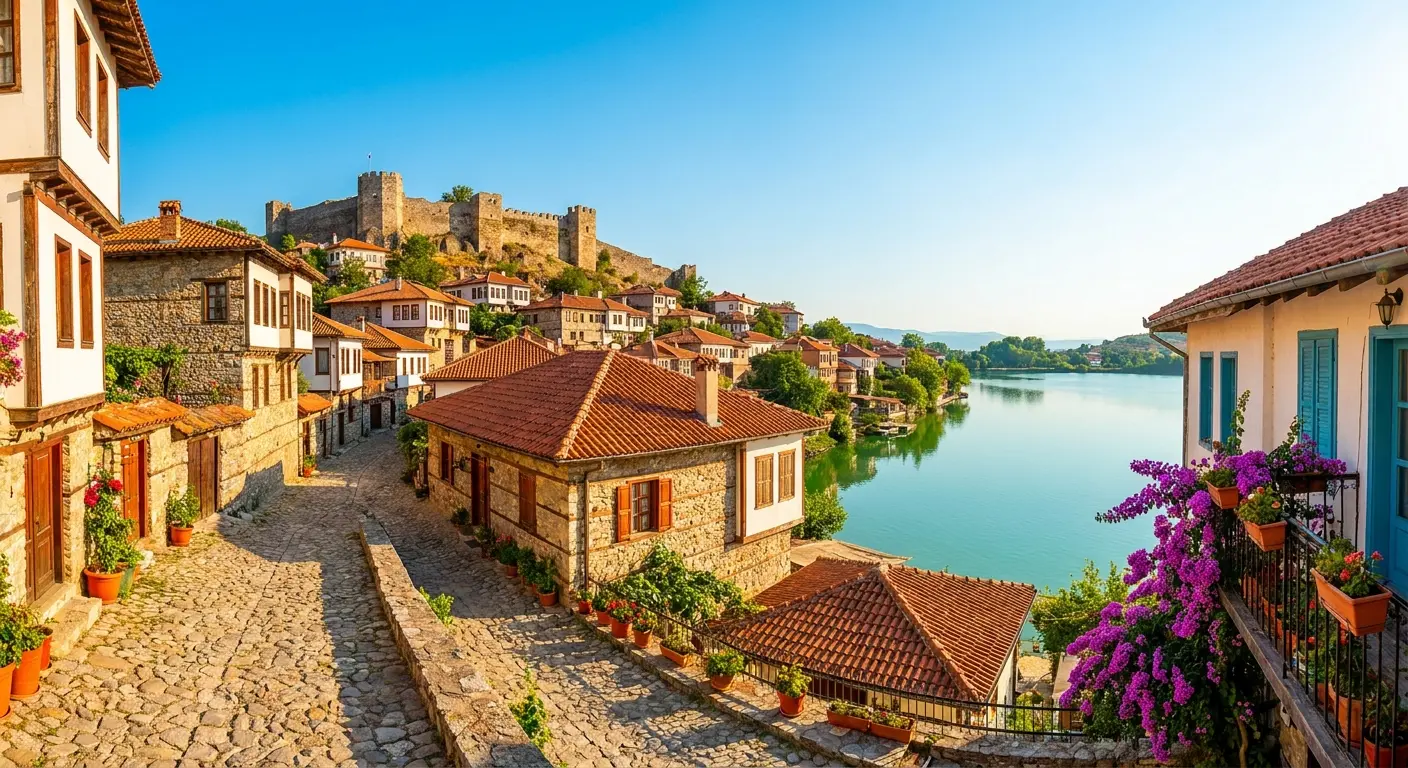
What is the best time to take a Balkans tour? The answer depends on what you expect from your journey. Some travelers want to swim in crystal-clear lakes, others look for the cheapest ticket, and many dream of photographing medieval bridges under soft light. Izmir departure Balkans tours offer a completely different experience in each season. Before you pack your bags, let's figure out together when you should join this 7-night, 4-country adventure.
Let's make one thing clear: the Balkans is not a single climate zone. The Adriatic coast of Montenegro has a Mediterranean feel, while the mountains of Bosnia are closer to Alpine conditions. That's why you need to understand your route before choosing a date. Check the detailed itineraries on Turlago's Izmir departure Balkans tour page to see which cities you'll visit. In the same week, you might experience 20°C in Skopje and 10°C in Sarajevo.
Understanding Balkan Weather: Three Climatic Influences
Continental climate in the north, Mediterranean in the south, and Alpine in the highlands—the Balkans is a mosaic of weather systems. During a single week, you could be sunbathing on the shores of Ohrid Lake and then shivering under a cold mountain breeze the next day. This diversity makes every season attractive in its own way.
Peak summer temperatures (July-August) can be oppressive, especially along the coast and in bustling heritage towns. However, high heat can actually enhance experiences like swimming in Lake Ohrid or exploring Kotor's old town. In December and January, heavy snow may disrupt border crossings, so winter tours require extra caution. This is why the question "when to go" is best answered by experienced tour operators, not just weather apps.
Spring (April - June): Fresh Beginnings with a Chance of Rain
Spring is the season of awakening in the Balkans. The hillsides are covered in wildflowers, waterfalls are at their fullest, and the atmosphere is fresh and invigorating. But rain is common in April and early May, so pack an umbrella and a waterproof jacket.
Spring Advantages
- No crowds: Tourist numbers are low, so museums and archaeological sites are quiet.
- Budget-friendly: Hotel and tour prices are 20-30% cheaper than in summer.
- Perfect for hiking: Trails are free of snow, and the landscape is vibrant.
Things to Keep in Mind
- Warm days turn into chilly evenings; wear layers.
- Some seasonal facilities may still be closed.
- Rain showers can be sudden and intense.
For Izmir departure Balkans tours, late April to mid-May is a sweet spot. Temperatures range from 15-25°C with lower humidity. You'll find a wider choice of available departures on Turlago during this period, so it's a good time to compare Balkan tour options.
Summer (July - August): The Peak Experience
Summer is the busiest season in the Balkans. The energy is electric, with open-air festivals, vibrant street life, and endless daylight. However, you'll also face temperatures above 30°C, long queues, and premium prices. If you don't mind the heat and the crowds, summer offers unforgettable experiences like swimming in the Adriatic or watching a film at the Sarajevo Film Festival.
Summer Perks
- Long daylight hours allow you to see more sights per day.
- Montenegrin beaches and Lake Ohrid are perfect for swimming.
- Cultural events: Ohrid Summer Festival, Kotor Art Festival, Sarajevo Film Festival.
Summer Drawbacks
- Scorching heat can make sightseeing exhausting.
- Prices are at their highest; early booking is essential.
- Old towns become overcrowded, especially in coastal areas.
If you must travel with school-age children, early July or late August are more tolerable. Even though buses fill up quickly, you can still find last-minute deals through Turlago.
Autumn (September - October): The Underrated Gold Season
Autumn is perhaps the most rewarding time to explore the Balkans. The summer crowd disappears, the weather remains warm, and the landscapes burst into shades of gold and red. September, especially, is an ideal month for Izmir departure Balkan tours—prices drop, days stay sunny, and nights are pleasant.
Autumn Magic
- A perfect balance: temperatures of 20-25°C and little rain.
- Wine festivals in Serbia and harvest celebrations in Macedonia.
- Hotels offer better rates, sometimes with free upgrades.
Watch Out For
- Late October brings colder nights, especially in mountainous areas.
- Some mountain passes may see early snowfall.
Photography lovers will adore this season. The golden leaves around Mostar Bridge and the calm reflections in Lake Ohrid are simply spectacular. Don't miss the chance to experience the Balkans in its most photogenic attire.
Winter (November - March): A Snowy Fairytale
In winter, the Balkans wear a white coat that transforms historic bridges and Ottoman bazaars into scenes from a postcard. Sarajevo and Mavrovo entice winter sports enthusiasts, but Izmir departure Balkan tours are rare in these months. Snow can seriously disrupt bus routes, so tour operators often pause departures.
Winter Attractions
- Lowest prices of the year.
- New Year's markets, local taverns serving mulled wine, and cozy atmospheres.
- Great chance to interact with locals without tourist crowds.
Risks to Consider
- Delays at border crossings due to snow.
- Reduced opening hours at historical sites.
- Tyre chains may be mandatory in mountain regions.
Winter Balkan tours are for the bold. If you choose this season, you can arrange a private group through Turlago, but be flexible with your plans.
Month-by-Month Breakdown
Here's a quick guide to help you choose your travel month based on typical conditions:
- April: 15°C, rainy, low season, lush scenery.
- May: 20°C, light showers, low-to-mid season, ideal hiking.
- June: 25°C, dry, mid-season, sunny.
- July: 30°C, dry, high season, festivals everywhere.
- August: 30°C, dry, peak crowds.
- September: 24°C, little rain, mid-season, balanced.
- October: 18°C, rain begins, low season, autumn colors.
- November: 10°C, rainy, low season, early snow.
- December: 5°C, cold, low season, holiday spirit.
Festivals and Special Events: What’s Happening When
Your travel date might coincide with a famous festival. Here are some highlights:
- March: Belgrade Tango Festival in Serbia.
- May: Skopje Jazz Festival in North Macedonia.
- July: Bar Summer Festival in Montenegro, Kotor Art Festival.
- August: Sarajevo Film Festival, conclusion of Ohrid Summer Festival.
- September: Mostar Summer Fine Arts Festival, Serbian grape harvest events.
- December: Christmas markets across all major cities.
During these events, accommodation and tour prices rise, so book well in advance if you plan around one.
7-Night 4-Country Sample Itinerary
Typical Izmir departure Balkan tours follow this route: an overnight bus from Izmir, first stop in Skopje (North Macedonia), then Pristina (Kosovo), followed by Sarajevo and Mostar (Bosnia and Herzegovina), and finally the coastal towns of Kotor or Budva in Montenegro. To pack all four countries into seven nights, plan roughly one day per city.
Which month works best for this itinerary? Mid-September is ideal—warm but not hot, sunny but not baking. In April, Skopje can be chilly and Mostar rainy; in October, the Adriatic is too cold for swimming. Summer offers extra daylight to explore, but you'll battle crowds and heat.
Budget Considerations: When to Save
Prices for Balkan tours peak during July and August. The cheapest months are November, December, January, and February, but tour frequency drops significantly. Winter departures can be up to 40% cheaper than summer, making them attractive for budget travelers who don't mind the cold. Use Turlago's price filters to compare options and find the best value.
Seasonal Packing and Practical Tips
Your packing list should match the season:
- Spring/Summer: Light jacket, sunscreen, comfortable walking shoes, small backpack for daily excursions.
- Autumn/Winter: Waterproof coat, thermal layers, non-slip boots, beanie and gloves.
Balkan cuisine is also seasonal. Enjoy fresh salads and grilled meats in summer, hearty stews and warm soups in winter. Visit local markets to taste the highlight of each season.
Photography Tips
The Balkans are a photographer's paradise. In spring and autumn, soft light adds drama to historic buildings. Avoid harsh midday light in summer; shoot in the early morning or late afternoon. In winter, snow can fool your camera's meter, so include a bright element in your composition to compensate.
Frequently Asked Questions
Do I Need a Passport for Visa-Free Travel?
Turkish citizens can enter most Balkan countries with just an ID card, but rules vary by country. Check your tour details to see if a passport is required. Turlago provides this information on each tour page.
How Long Does Bus Travel Take from Izmir?
The journey to the first stop usually takes 8-10 hours. Since most tours travel overnight, you won't lose any sightseeing time.
What Currency Is Used in the Balkans?
Macedonia uses the denar, Serbia the dinar, Bosnia the mark, and Montenegro the euro. Carrying a small amount of euros helps in border regions and tourist spots.
Are There Departures from Cities Other Than Izmir?
Yes, but Izmir departures are especially convenient for travelers in the Aegean region, including Aydın, Manisa, and Denizli, thanks to central pick-up points.
Conclusion: Your Best Time to Go
The best time for your Izmir departure Balkans tour truly depends on your priorities. For nature and photography, choose spring or autumn. For sea and festivals, summer is your season. For a budget-friendly adventure, winter offers the lowest prices. However, if you want the best all-around experience, May and September strike the perfect balance. Explore the Izmir departure Balkans tours on Turlago to find a date that matches your travel style. Happy journeying!