Selanik & Kavala Tour: Best Time for a 2-Night Trip
Most travelers who consider squeezing Thessaloniki and Kavala into two nights ask the same thing before anything else: which weekend should I actually pick? Because this tour departs from Istanbul every Friday evening, the choice of date is almost entirely yours. And that choice matters more than most people expect. The route stays the same, the coach stays the same, the guide stays the same — but a March departure and an August departure feel like two different trips. View the Selanik & Kavala 2-Night 3-Day Tour on Turlago and start mapping out your dates.
This guide is deliberately built around timing rather than a standard sightseeing list. Which months give you the best walking weather, when the crowds peak, what belongs in your suitcase in each season, and how early you should lock in a seat on a tour capped at 25 people. Let's work through it season by season.
Friday Out, Sunday Back: How the Tour's Clock Actually Runs
The defining feature of this itinerary is that it consumes a weekend and nothing else. You leave central Istanbul on Friday evening, arrive in Thessaloniki on Saturday morning, and you're back in Istanbul late on Sunday — without using a single day of annual leave. Departures run every Friday with a guaranteed departure, which is exactly why the format has stayed popular.
Pick-up points are spread across both sides of the city: Namık Kemal, Kadıköy, Mecidiyeköy, İncirli and Beylikdüzü. From there the coach heads for the İpsala border crossing and the overnight leg begins. A practical note that saves stress: Friday evening traffic in Istanbul is unpredictable. Exact boarding times are confirmed by the guide before departure day, so plan to arrive early rather than cutting it fine.
The real timing question here is whether an overnight coach suits you. The vehicles are comfortable and the rest stops are planned, but you will feel it on Saturday morning when you arrive in Thessaloniki. The smart move is to treat Saturday night's hotel as recovery time and keep the optional taverna evening reasonable — the program is dense, and sleep is better taken in a bed than on a moving bus.
Seasons in Thessaloniki and Kavala: What Each Month Really Delivers
Both cities sit in the northern Aegean and share a classic Mediterranean pattern: hot, dry summers, mild and wetter winters, and gentle shoulder seasons in between. Practically, that means this tour can be done in any month of the year — but the character of the trip shifts considerably.
March to May: Mild Air, Thin Crowds, the Best Light for Photos
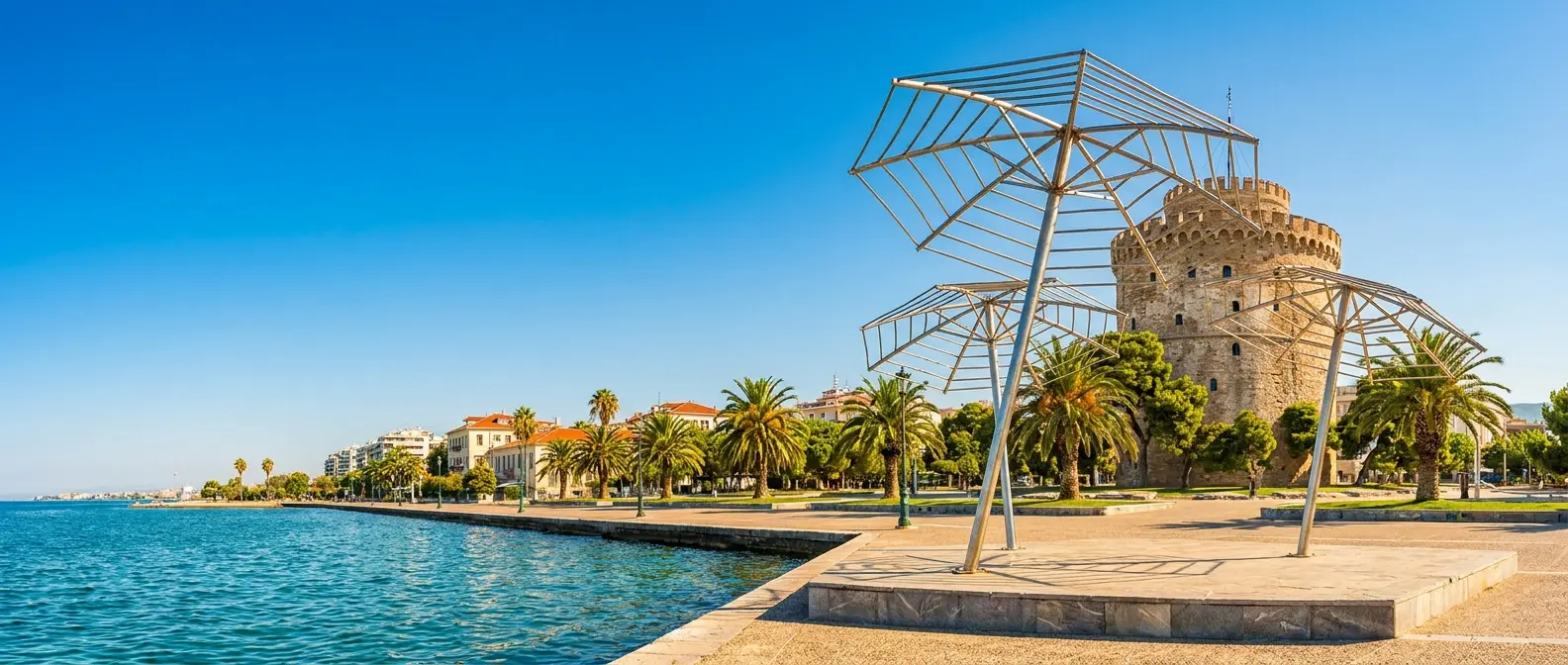
Spring is the most balanced window for this itinerary. Daytime temperatures typically sit between 15 and 24 degrees, which means you can walk the area around the White Tower for hours and still enjoy sitting by the waterfront afterwards. Crowds haven't peaked yet either, so high-demand stops like the Atatürk House involve noticeably shorter waits.
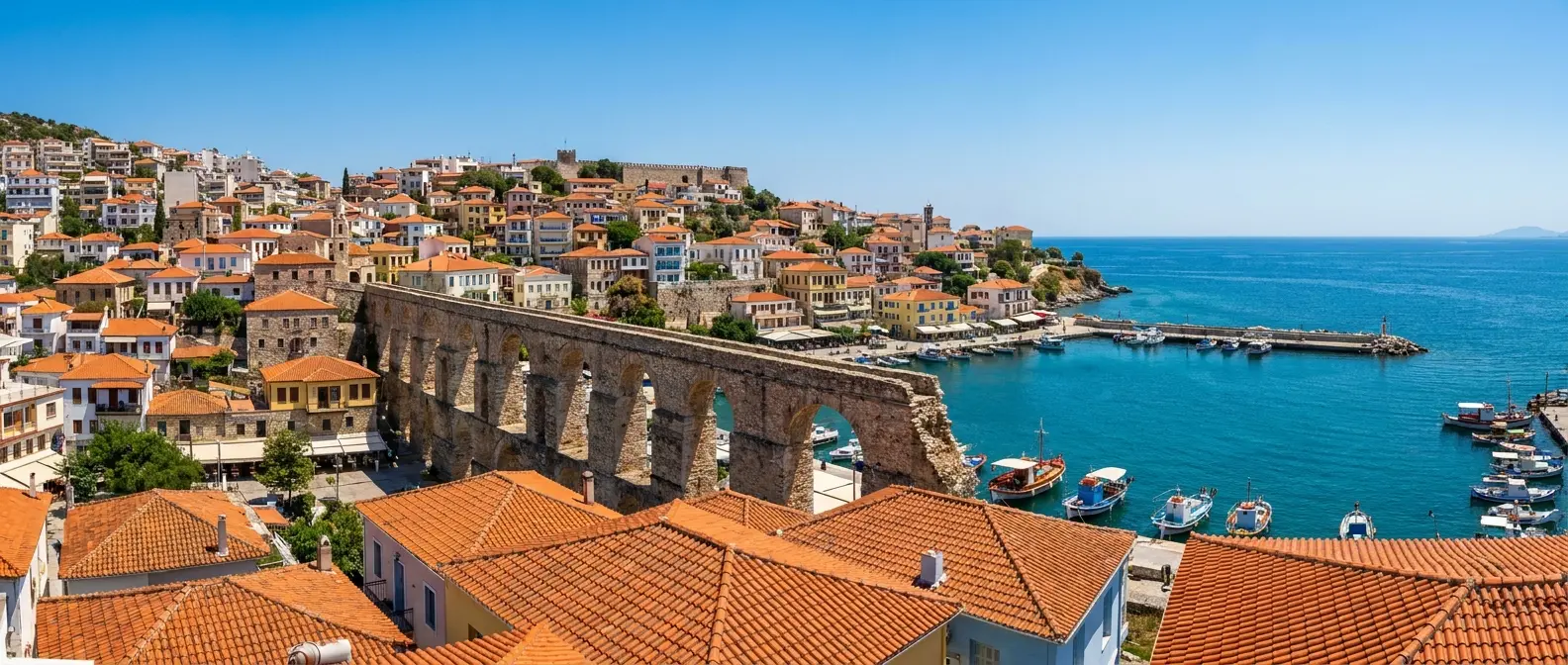
There's a photographic bonus too: spring light is softer than the hard midday sun of summer, which makes layered sights like the Kavala aqueduct and the old port look far richer in photos. Late April through mid-May stands out as the sweet spot for a weekend escape.
The one drawback is unsettled weather rolling in from the Balkans. A packable rain jacket won't change your plans, but it will change how comfortable you are while following them.
June to August: Sea Air, Tavernas and a City at Full Volume
Summer is when Thessaloniki performs. The waterfront turns into an open-air stage in the evenings — street musicians, busy cafés, cyclists, people watching the water. The optional taverna evening, offered at 50 Euro, becomes the most popular add-on of the season: live music, Greek mezze and genuine local energy in one sitting.
Being honest, though, summer is also the most demanding version of this trip. In July and August, midday heat is significant and the itinerary involves a lot of walking. The free time for lunch in Kavala is best spent at a shaded harbour table rather than trying to cover more ground. A hat, sunglasses and constant water aren't optional extras in this season — they're the basics.
Then there's the crowd factor. Summer is peak holiday season across Europe, so Thessaloniki and Kavala fill up with regional travelers too. On a tour with a 25-person cap, that means confirming your date several weeks ahead rather than the week before.
September to November: Post-Season Comfort and the Best Value
Experienced travelers tend to circle late September for Aegean and Balkan routes, and for good reason. The sea is still warm, daytime temperatures sit around 22 to 28 degrees, and the crowds have thinned out. Evening walks in Thessaloniki become almost ideal.
October holds up beautifully as well: the city settles back into its normal rhythm, tables are easy to find, and pricing drifts away from the summer peak. By November, rain becomes more likely, though temperatures rarely drop low enough to disrupt sightseeing. If your priority is "good weather without the crowds," late September through mid-October is the safest bet on the calendar.
December to February: A Quieter City, Lower Prices, a Different Mood
Winter is the least discussed and quietly the most interesting time to take this tour. Thessaloniki takes on a completely different identity: no tourist crush, local life front and centre, warm and welcoming cafés. If you want to walk through the Atatürk House without navigating a crowd, this is your season.
In exchange, you accept two trade-offs: shorter daylight hours and a real chance of rain. Winter temperatures in Thessaloniki generally range from about 5 to 12 degrees, and Kavala feels the wind more sharply. A proper coat, a scarf and waterproof shoes are non-negotiable. It's also worth confirming with your guide that the taverna evening and the Porto Lagos stop are running, since participation for optional extras drops in the colder months.
Month-by-Month Scorecard: A Quick Comparison
- January – February: Quietest period, shortest daylight, highest chance of rain.
- March: Transition month; changeable weather but minimal crowds.
- April – May: Ideal walking temperatures, soft light, moderate crowds.
- June: Summer begins; swimming season opens, crowds build.
- July – August: Hottest and busiest; evening activities matter most.
- September: Warm sea, shrinking crowds — the most balanced month of the year.
- October: Comfortable air, relaxed city, excellent walking.
- November: Price advantage, rising chance of rain.
- December: Calm city, short days, heavier luggage.
Day by Day: The Real Itinerary and Its Timing
Understanding the schedule matters when you're choosing a season, because the hour at which each activity happens directly affects how comfortable it feels. Here's how the three days actually run.
Day 1 — Istanbul Departure and the Overnight Run to İpsala
In the evening, the coach leaves from central Istanbul points and heads toward the İpsala border crossing. This first night is spent entirely on the road. In winter, nights are longer and colder, so a light blanket or scarf makes a bigger difference than you'd think. In summer, the coach air conditioning means a light layer is still a good idea.
Day 2 — Thessaloniki: Atatürk House, White Tower, Aristotelous Square, Waterfront
Arrival in Thessaloniki on Saturday morning opens the most emotional part of the trip: the visit to Mustafa Kemal Atatürk's birthplace. From there, the itinerary covers the city's signature spots — the White Tower, Aristotelous Square and the waterfront promenade. The night is spent at the hotel in Thessaloniki.
In the evening, an optional taverna night (50 Euro) is offered for those who want it. Seasonally, this shifts: in summer the taverna program typically runs busier and later, while in winter it starts and finishes earlier. Keep in mind that Kavala is scheduled for the next morning — staying out late is tempting, but the early start is real.
Day 3 — Kavala, Porto Lagos and the Return via Tekirdağ
After breakfast at the hotel, the coach heads to Kavala, the historic port city. Highlights include the aqueduct, the harbour and the Kavalalı Mehmet Ali Pasha Imaret, alongside other Ottoman-era landmarks. Free time is allocated for lunch and local shopping.
On the way back, an optional Porto Lagos stop (5 Euro) is offered, popular for lagoon views and photographs. Border formalities follow, then a Tekirdağ meatball break before reaching Istanbul. This final day is long regardless of season — keep dinner light and be prepared to sleep on the return leg.
Visas, Exit Fees and Border Formalities: Sort These Before You Pick a Date
Paperwork is the element most often overlooked when planning timing. Items not covered by the tour price include the Turkish overseas exit fee, overseas travel insurance (15 Euro), museum and archaeological site entry fees, lunch and dinner, city and hotel taxes (5 Euro per person, paid to the guide on board), and the Greek visa.
Green passport holders don't need a visa, which is a genuine advantage for last-minute planners. Everyone else needs to secure an appointment in advance. Appointment availability tightens during peak season (June to August), so if you're targeting summer, start the application weeks ahead. In spring and autumn, the process usually moves much faster.
One more operational detail: border waiting times fluctuate with the season. During public holidays and long weekends, queues at İpsala can stretch considerably. If you have flexibility, choosing a weekend that doesn't collide with a national holiday can save you hours.
What to Pack, Month by Month
- March – May: Layered clothing, a packable rain jacket, comfortable walking shoes, a light scarf.
- June – August: Cotton t-shirts, shorts or light trousers, a wide-brimmed hat, high-factor sunscreen, a water bottle.
- September – November: T-shirts plus a light cardigan, closed but breathable shoes, an umbrella.
- December – February: A proper winter coat, waterproof shoes, thermal base layers, gloves, scarf.
Three things apply in every season: keep your passport and documents in a separate pouch, carry a power bank, and bring a small travel pillow. On a dense three-day schedule, those three details affect your comfort far more than most people anticipate.
Crowds, Cost and Accommodation: How Timing Affects Your Budget
This tour sits in the economical tier — a package covering round-trip coach transport, one night of bed-and-breakfast accommodation in Thessaloniki, professional guiding and border crossing costs. That structure means the earlier you commit to a date, the easier it is to secure a place; the capacity is only 25 people, and demand is steady.
When budgeting, remember the items outside the package: the taverna night at 50 Euro, the Porto Lagos stop at 5 Euro, travel insurance at 15 Euro, city and hotel taxes at 5 Euro, plus museum entries and meals. Your total spend will exceed the package price, so build the optional extras into your budget from the start rather than debating them mid-trip.
The One Thing to Know About Accommodation
The itinerary includes a single hotel night in Thessaloniki. The first night is spent on the coach and the third is the return journey. That means only one night of the two is in a hotel — so resist overpacking. You don't need a full suitcase for one night of hotel living.
Optional Extras: When the Taverna Night and Porto Lagos Make Sense
The extras are optional but they change the character of the trip noticeably. The taverna evening runs on Saturday night in Thessaloniki, so it turns your only evening in the city into live music and Greek food. In summer the atmosphere is livelier; in winter it's more intimate and calm. If you have a preference between the two, that alone can guide your date selection.
Porto Lagos happens on the return leg, a short stop in the lagoon area. For anyone interested in nature photography, this 5 Euro add-on delivers disproportionate value. In winter, accept upfront that weather conditions may cause it to be cancelled.
Who This Tour Suits — and When It Suits Them Best
To be direct: this works well for people who want to use a weekend efficiently, for first-time travelers abroad, for those who see visiting the Atatürk House as a personal milestone, and for anyone keeping a controlled budget. On the other hand, slow travelers who like to linger may find three days tight, because the pace is genuinely brisk.
Season by season, here's a simple match:
- Comfortable walking and photography: April, May, September, October.
- Nightlife and seaside atmosphere: June, July, August.
- Quiet streets and fewer people: January, February, March, November.
- Last-minute planning with a green passport: Any month works, but book summer dates early.
Frequently Asked Questions
Does the tour really depart every week?
Departures are scheduled every Friday with a guaranteed departure and run throughout 2025. That said, seats fill quickly around public holidays, so confirm your date in advance.
Is the tour worth doing in winter?
Yes. The main differences are heavier luggage and shorter daylight hours. Because the city is quieter, travelers who want unhurried museum and landmark visits often choose winter deliberately.
How large is the group?
Capacity is 25 people. Compared with large coach tours, that's a more manageable group size, which makes communication with the guide and the flow of the itinerary noticeably smoother.
How many nights do we spend in Thessaloniki?
One. The first night is on the road toward İpsala, the second is at the hotel in Thessaloniki, and the third day ends with the return to Istanbul.
Are meals included?
Breakfast at the hotel is included. Lunch and dinner, along with drinks during meals, are not — and neither is the breakfast you buy on the road on day one. In Kavala's free time, trying a local seafood taverna is arguably the best break of the day.
The Bottom Line: Lock Your Date, Then Confirm the Details on Turlago
Choose the right weekend and this trip delivers far more than three days' worth of experience. Weigh weather, crowds, cost and visa timelines together, and the most balanced window generally falls between late spring and early autumn. If you want the city at full energy, aim for summer; if you want it quiet, winter is waiting.
Once you've decided, the only remaining step is fixing the date and securing your seat. To see current departure dates, pricing and availability, view the Selanik & Kavala 2-Night 3-Day Tour on Turlago — this Istanbul-departure weekend escape is considerably easier to enjoy when the planning is finished well ahead of time.