Visa-Free Ankara Balkan Dream Tour: 2026 Timing Guide
When to Join the Visa-Free Balkan Dream Tour from Ankara?
Choosing the right time is one of the most exciting yet challenging parts of planning a summer trip. When the tour covers multiple countries, understanding each destination's climate and crowd patterns becomes crucial. View the Visa-Free Ankara Balkan Dream Tour on Turlago to explore the details. This tour operates weekly from July 4 to August 29, so which week should you choose? That's exactly what this guide aims to answer.
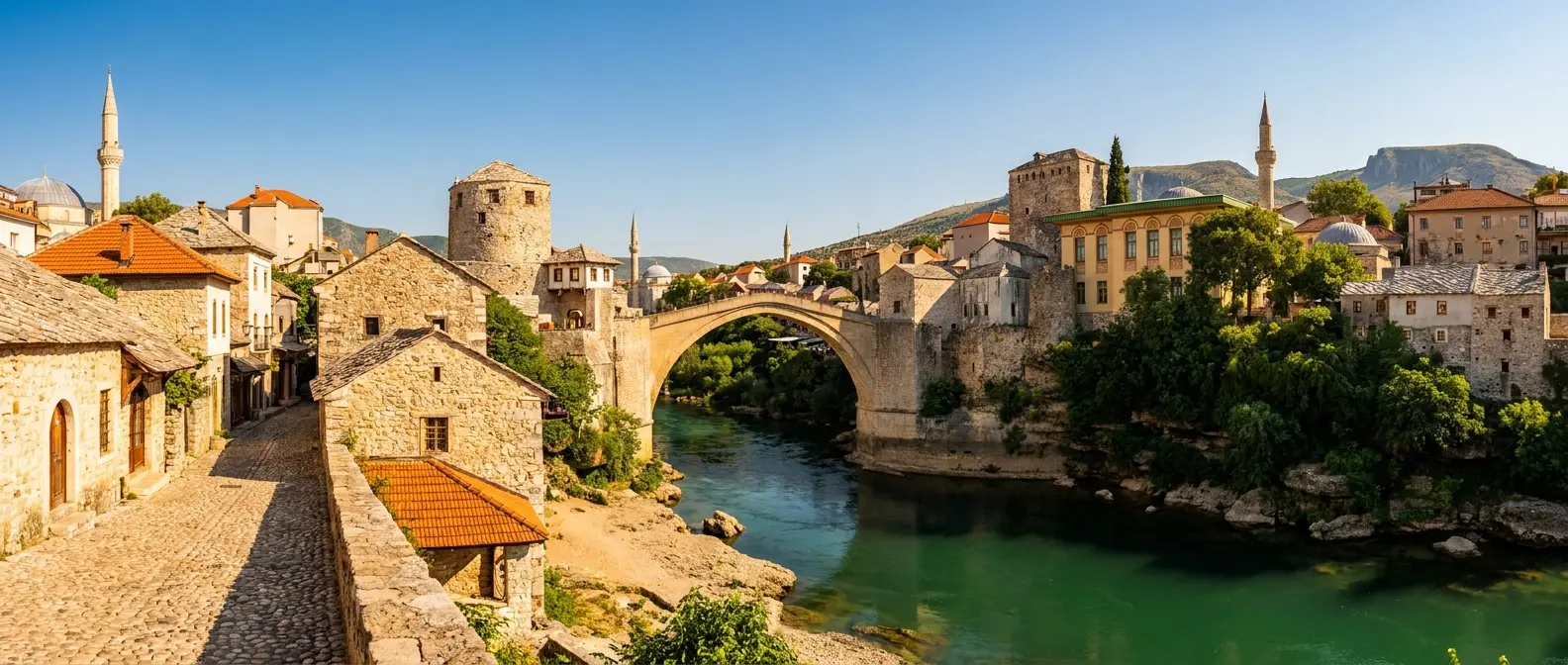
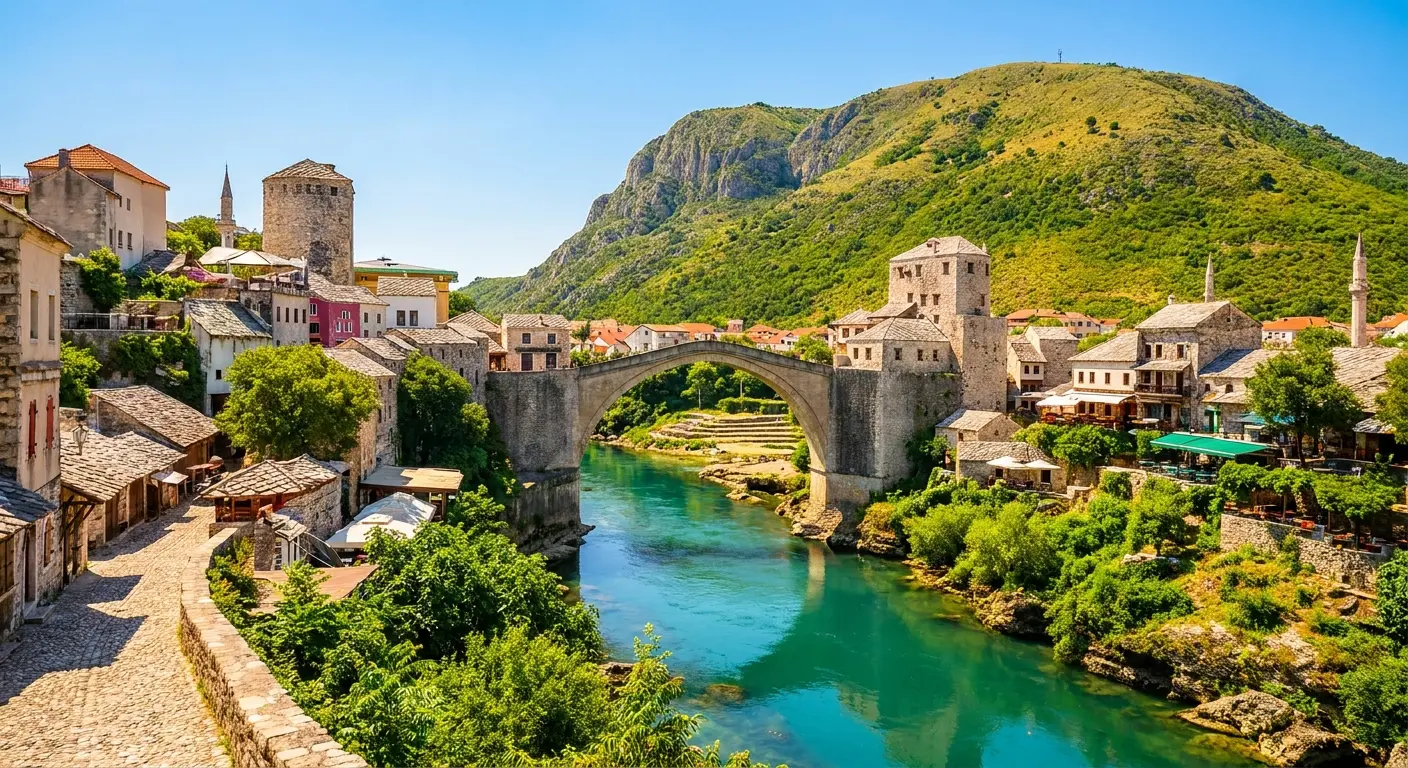
Starting with a morning flight from Ankara Esenboğa Airport, this adventure covers six countries and five capitals: Bosnia & Herzegovina, Montenegro, Albania, North Macedonia, Kosovo, and Serbia. The itinerary includes iconic spots like Mostar's bridge, Kotor's bay, Tirana's colorful streets, and Belgrade's riverside promenades. The best part? It's visa-free for Turkish citizens (or you get a visa on arrival), making planning hassle-free. Summer is the perfect season to explore this region, and the tour dates are smartly aligned with the height of Balkan summer.
Why This Tour Is Perfect for Summer?
Every major activity on this tour is an open-air experience. Walking through Kotor's old town, photographing Mostar's Ottoman bridge, relaxing by Ohrid Lake, exploring Tirana's Skanderbeg Square, and sipping coffee along the Belgrade riverside – all these are best enjoyed under sunny skies. In winter, temperatures in the Balkans can drop below freezing, and some border crossings may close due to snow. That's why the tour is specifically designed for the summer season. The 2026 departures run from July to August, capturing the most vibrant and beautiful period of the Balkans.
Moreover, the included extra tours add another layer of summer joy. Visiting the stone village of Počitelj, feeling the peaceful atmosphere of Medjugorje, savoring Bosnian ćevapi (grilled meatballs) at a local restaurant, and celebrating at a lively Macedonian Night with music and dance – all these are outdoor-centric experiences. Long daylight hours in summer give you ample time to enjoy each stop without feeling rushed.
2026 Departure Dates and Period Analysis
The tour offers departures on July 4, 11, 18, 25, and August 1, 8, 15, 22, 29. We can categorize these into three main periods: early July, mid-July, and August. Each period has its own flavor, advantages, and considerations. While the core itinerary remains the same, crowd levels, heat, and sea temperature vary.
Early July: July 4 and 11
In Europe, schools usually close at the end of June, so the first week of July often escapes the full holiday rush. You'll encounter fewer tourists in Montenegro's coastal towns and in Mostar. Temperatures are pleasant, averaging 28-30°C during the day, with refreshing nights. The Adriatic Sea water temperature is perfect for swimming, ranging from 23-25°C. If you prefer a more relaxed, less crowded experience and want to avoid scorching heat, the July 4 departure is ideal. This time also marks the start of many local festivals in the Balkans, which could add a festive spark to your trip.
Mid-July: July 18 and 25
From mid-July onward, Europe is in full vacation mode. Kotor, Budva, and Sveti Stefan become livelier, and cruise ships fill the Kotor Bay. Expect higher temperatures around 30-34°C and increased humidity. However, the sea water reaches its most inviting temperature of 26-28°C. If you relish vibrant crowds, sunbathing, and a buzzing atmosphere, late July is your sweet spot. Just be prepared for busy streets and make sure to protect yourself from the sun.
August: 1, 8, 15, 22, and 29
August is the peak holiday season across Europe, and the Balkan coast attracts many Italian, German, and British visitors. Temperatures hit their highest, especially in inland cities like Tirana and Skopje, where the mercury can exceed 35°C. The coastal areas, thanks to sea breezes, are more bearable. Towards the end of August (August 29), European schools start preparing for the new term, so some families return home, slightly easing the crowds. This date offers a great balance between summer delights and a bit more breathing space. Additionally, August is packed with music festivals and open-air events throughout the Balkans, adding extra entertainment to your trip.
Summer Climate in the Balkans: What Does the Thermometer Say?
One of the most fascinating aspects of this tour is experiencing a variety of climates in a single week. The Adriatic coast has a Mediterranean climate, while inland areas experience continental warmth. You'll feel the difference as you travel from coast to interior. Summers are generally sunny and hot, but you might encounter brief afternoon thunderstorms, especially in mountainous areas. Carry a compact umbrella or a light raincoat just in case.
Sarajevo and Bosnia & Herzegovina
Sarajevo is nestled in a valley about 500 meters above sea level. Summer days fluctuate between 27-32°C, with nights dropping to 15-18°C, providing a cool reprieve for rest. The weather is often clear, though quick thunderstorms can roll in during the afternoon. Mostar, however, sits along the Neretva River and is considerably hotter; temperatures can hit 35°C. Choose breathable, cotton clothing, and stay hydrated while exploring the Old Bridge area and the cobbled lanes of Počitelj.
Montenegro Coast: Kotor, Budva, Sveti Stefan
Montenegro's Adriatic shore embodies a classic Mediterranean summer: warm and sun-drenched. Expect midday temperatures around 30°C in Kotor, 31-33°C in Budva, and 30-32°C near Sveti Stefan. Humidity is noticeable, but sea breezes offer natural relief. Nighttime lows hover at 22-24°C, so air-conditioning is essential for a comfortable sleep. Exploring Kotor's medieval streets is best done in the early morning before the heat and crowds intensify. Budva's sandy beaches are perfect for a refreshing dip in the crystal-clear sea.
Albania: Shkodra, Tirana
Tirana is one of the hottest capitals in the Balkans. During July and August, temperatures often exceed 35°C. Shkodra is similarly warm and humid. Sightseeing in these cities can be challenging during noon hours, so try to align any free time with the late afternoon or evening. Seek shade in parks or mosque courtyards, and never leave without sunscreen and water.
North Macedonia: Ohrid, Skopje, Tetovo
Ohrid, sitting at an elevation of about 700 meters above sea level, enjoys a milder summer climate: 28-32°C during the day and 18-20°C at night. The lake's refreshing water invites you for a swim. Skopje, on the other hand, experiences a continental climate, reaching up to 35°C in the daytime but cooling to 20°C in the evening. Walking along the Vardar River is a pleasant end-of-day activity. Tetovo's Alaca Mosque, known for its intricate floral decorations, shines brilliantly in daylight, making a morning visit worthwhile.
Kosovo: Pristina, Prizren
Pristina's summer temperatures range from 30 to 34°C. During the city tour, take it slow and wear light clothing. Prizren is more temperate, thanks to the Lumbardhi River that flows through town; evenings become especially pleasant. The historic stone bridge and fortress offer breathtaking views, particularly during golden hour. Although the tour usually visits Prizren during the day, the long summer evenings may allow you to witness a stunning sunset.
Serbia: Belgrade
Belgrade, at the confluence of the Danube and Sava rivers, experiences hot summers with temperatures around 32-35°C. However, riverside parks and cafes provide refreshing escapes. Belgrade's famous nightlife becomes even more vibrant in summer. The tour's free time in Belgrade allows you to stroll down Knez Mihailova Street or relax by the river with a coffee. Watching the sunset from the Kalemegdan Fortress is an unforgettable experience.
Day-by-Day Itinerary: Where to Be and When in the Summer Heat
Professional guides design the itinerary to maximize your comfort, but you can also take certain steps to stay cool. Here's a day-by-day seasonal assessment:
Day 1: Ankara – Sarajevo – Mostar – Počitelj – Medjugorje
Your day begins early with a meet-up at 7:30 AM at Ankara Esenboğa Airport. After a morning flight, you'll be on the road to Mostar in the afternoon. Thanks to extended daylight hours, you can still explore the bridge and the old town in full sunlight. Počitelj and Medjugorje are open-air sites; visiting them later in the day avoids the peak heat. This is a long day, so carry some snacks and a refillable water bottle.
Day 2: Trebinje – Kotor – Budva – Sveti Stefan – Shkodra
Montenegro's coast is a summer hotspot. If cruise ships are docked in Kotor, the old town can get congested. An early start with the walking tour gives you a chance to enjoy the bay's panoramic view without the rush. Budva and Sveti Stefan offer opportunities to swim; post-lunch heat is perfect for floating in the Adriatic. The drive to Shkodra provides scenic views along the Adriatic coast.
Day 3: Shkodra – Tirana – Ohrid
Arriving in Tirana around noon means sightseeing during the hottest part of the day. Use shaded spots near Skanderbeg Square and the Et'hem Bey Mosque to escape the sun. After exploring, the route heads to Ohrid, where the lake's evening breeze creates a tranquil atmosphere. A walk by the boardwalk after dinner is a perfect way to wind down.
Day 4: Ohrid – Tetovo (Kalkandelen) – Skopje
Morning air in Ohrid is crisp and pleasant. Upon reaching Tetovo, the Alaca Mosque's courtyard offers some refuge, but the sun highlights its colorful tiles best before noon. In Skopje, the afternoon city tour includes the old Ottoman bazaar, which provides natural shade in its covered sections. Later, enjoy a relaxing evening stroll along the Vardar River.
Day 5: Skopje – Pristina – Prizren – Skopje
The Kosovo excursion starts in Pristina; sunscreen and water are your best companions during the city tour. Afternoon in Prizren is a highlight, with its medieval quarter and riverbank cafes providing a refreshing break. The return to Skopje happens in the evening, when the city lights reflect on the river.
Day 6: Skopje – Belgrade
This day involves a longer bus journey, but the air-conditioned coach keeps you comfortable. Belgrade arrival in mid-afternoon lets you explore Knez Mihailova Boulevard and Kalemegdan Fortress in soft afternoon light. If you're up for it, Belgrade's nightlife offers a vibrant end to the day.
Day 7: Belgrade – Sarajevo
Depart early to drive through Bosnia's winding mountain roads while it's still cool. Border crossings are generally quick in summer. In Sarajevo, the old town's Baščaršija district is best explored in the evening, after the sun has dipped behind the hills. Sip a Bosnian coffee or taste lokum while soaking in the city's rich history.
Day 8: Sarajevo – Ankara
Your final morning is free for last-minute souvenir shopping or one final stroll through Sarajevo's charismatic streets. The flight departs at 7:00 PM, arriving in Ankara at 10:00 PM. Summer's long days mean you can enjoy Sarajevo until the very last moment of daylight.
Coping with Extreme Heat and Crowds
To make the most of your summer Balkan adventure, keep these practical tips in mind:
- Make the most of early mornings: If your guide arranges a morning walking tour, you'll find Kotor and Mostar quieter and cooler.
- Carry a water bottle at all times: Even though stops provide water, having your own supply is convenient, especially in hot cities like Tirana and Skopje.
- Protect yourself from the sun: Wear a hat, sunglasses, and high-SPF sunscreen. The Adriatic sun can be deceptive, even on slightly cloudy days.
- Wear lightweight, loose clothing: Natural fabrics like cotton allow your skin to breathe and keep you comfortable during long walks.
- Choose lighter meals for lunch: Since lunches are not included, opt for local soups, salads, or seafood that won't weigh you down in the heat.
Included Extra Tours and Flavors: Do They Differ by Month?
The tour includes bonuses: Bosnian ćevapi dinner, Macedonian Night, a visit to Počitelj village, a Kosovo tour, and Medjugorje pilgrimage. These are timeless experiences, but summer enhances them. Počitelj's stone architecture is picture-perfect under the bright sun. Macedonian Night, often held in garden restaurants, shines on warm evenings. Bosnian ćevapi, typically served with fresh bread and onions, is a refreshing fast-food-style meal. Medjugorje's peaceful aura is even more palpable on a clear summer day. No matter which departure you select, these extras form the heart of the journey and deliver value year-round.
Packing List for a Summer Balkan Tour
Smart packing can make or break your comfort. Here's what to bring:
- Light, breathable clothing: Pack at least 4-5 changes, including cotton t-shirts, shorts, and a pair of comfortable trousers.
- A light cardigan or jacket: Air-conditioned hotels and restaurants can be chilly; a layer helps for cool evenings.
- Sturdy walking shoes: Kotor's uneven stone streets demand proper footwear.
- Swimwear: Opportunities to swim in Kotor Bay, Budva, and Ohrid Lake may arise.
- Sunscreen, hat, and sunglasses: Essential for protecting against strong summer UV rays.
- A small daypack: For carrying water, camera, wallet, and wet wipes during daily excursions.
- Travel adapter: Though Balkan outlets match Turkish ones, an adapter is a safe backup.
- A small flashlight or phone flashlight: Prizren's historic streets could be dimly lit at night.
Why Book Early for the 2026 Season?
This tour has a limited capacity of 100 people per departure. Seats sell out quickly, especially for the popular early July and late August dates. Booking early offers advantages:
- Guaranteed spot on your preferred date: Weekly departures mean you can secure the date that suits your schedule.
- Potential price benefits: Turlago occasionally runs early-bird promotions; the current price is listed at 44,429 TRY, but this can change.
- Flight and hotel coordination: The tour uses Anadolu Jet scheduled flights; early booking ensures alignment with your travel plans.
Use our climate and timing analysis to pick the best date for your preferences. Remember, early booking not only locks in your place but also provides peace of mind for your vacation planning.
Final Thoughts: Are You Ready for the Visa-Free Balkan Dream?
From a morning departure in Ankara to the charming streets of Sarajevo, the historic bridge of Mostar, the fjord-like bay of Kotor, the colorful architecture of Tirana, and the riverfront vibe of Belgrade – this journey is a quintessential summer escape. Whichever date you choose, the itinerary is packed with included extras and dinners that promise a fulfilling week. View the details of the Visa-Free Ankara Balkan Dream Tour on Turlago and secure the date of your dreams. Summer 2026 will only come once; let the Balkans weave their magical story for you!